A new controversy has surfaced amidst the ongoing crises surrounding Gaza as Israel has once again intercepted a humanitarian flotilla that was attempting to provide aid to the region. The interception occurred in international waters near Greece, amplifying scrutiny from global observers and humanitarian groups.
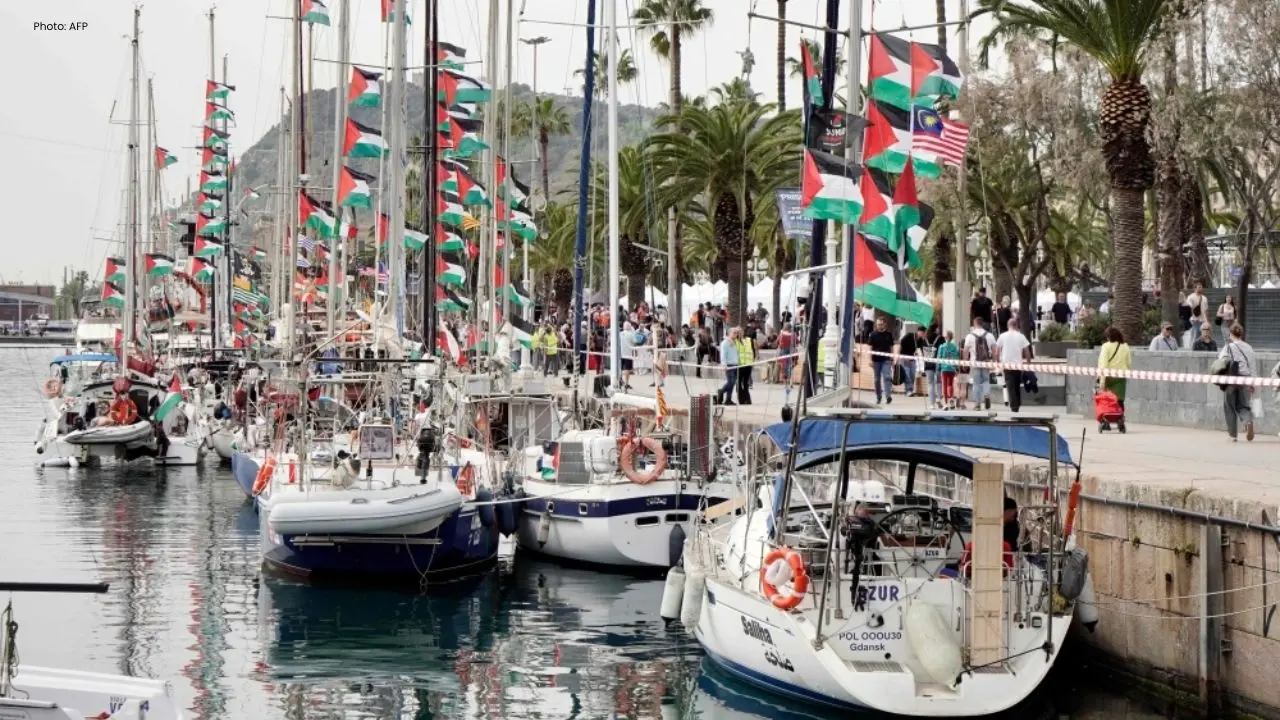
The flotilla, led by the Global Sumud initiative, set sail earlier this month from Barcelona, Spain, harboring much-needed humanitarian supplies for Palestinians. The area has been suffering due to severe restrictions and dwindling access to resources.
Organizers reported that Israeli forces captured their vessels hundreds of miles away from Gaza, around the Mediterranean region near Crete. They condemned the interception, calling it unlawful and a breach of international maritime laws.
They asserted that no nation has the authority to control international waters, and claimed that the interception exemplifies an infringement beyond national boundaries, setting a troubling precedent for maritime conduct globally.
In contrast, Israeli officials stood by their operations. Israel's UN representative, Danny Danon, stated that the flotilla was intercepted prior to its arrival in Israeli-controlled territories. He remarked that the military acted with professionalism and caution to manage the situation.
This is not an isolated incident; a similar flotilla organized by the same group was halted last year, leading to the detention of several participants, including climate activist Greta Thunberg, which drew significant international media attention.
Israel tightly regulates access to the Gaza Strip, citing security as a primary concern. The government claims that it doesn't impede essential supplies and allows aid through controlled channels.
However, humanitarian agencies and Palestinian representatives contend that the aid reaching Gaza is insufficient. They argue that despite various agreements to enhance supply flows, the living conditions for millions of residents remain dire.
The recent interception has reignited global dialogues about humanitarian access, international law, and the persistent conflict in the region. Observers fear that such events may elevate tensions unless a comprehensive and lasting solution can be found.