Is Cash Becoming a Bad Asset in High-Inflation Countries?
For decades, holding cash was considered the safest financial habit. Cash meant security, flexibility, and peace of mind. However, in high-inflation countries, this belief is being questioned more than ever. Rising prices, weakening purchasing power, and unstable currencies are forcing individuals and businesses to rethink a basic question: Is cash still safe, or is it slowly becoming a losing asset?
This article explains, in a clear and informative way, how inflation affects cash, why holding too much cash can be risky in high-inflation environments, and how people can rethink their money strategy without taking unnecessary risks.
What Inflation Really Does to Cash
Inflation is often misunderstood. It does not reduce the number written in your bank account. Instead, it reduces what that number can buy.
The silent erosion of purchasing power
When inflation rises faster than interest earned on savings, cash loses value every day. For example:
-
If inflation is 8% and your savings earn 3%, you are losing 5% in real terms
-
Essentials like food, rent, healthcare, and education rise first
-
Long-term goals quietly become more expensive
This makes cash a non-performing asset in real-world terms.
Why High-Inflation Countries Feel the Impact Faster
In high-inflation economies, the damage caused by holding cash is faster and more visible.
Rapid price adjustments
Prices of daily necessities change frequently, sometimes monthly or even weekly. Cash struggles to keep up.
Currency depreciation
Local currency weakens against global currencies, reducing international purchasing power.
Lower real interest rates
Banks often fail to offer interest rates that beat inflation.
Wage lag
Income growth usually lags behind inflation, squeezing savings even more.
In such environments, holding excess cash becomes a guaranteed loss over time, not a safety measure.
Why People Still Hold Large Amounts of Cash
Despite inflation risks, many people continue to keep most of their money in cash.
Psychological comfort
Cash feels stable because it does not fluctuate daily like markets.
Fear of investment loss
Market volatility scares people more than slow inflation loss.
Lack of financial literacy
Many individuals are unaware of how inflation silently erodes money.
Liquidity preference
Cash offers instant access during emergencies.
These reasons are emotionally valid, but financially costly when inflation stays high.
Is Cash Ever a Good Asset?
Cash itself is not bad. The problem is how much and how long it is held.
When cash still makes sense
-
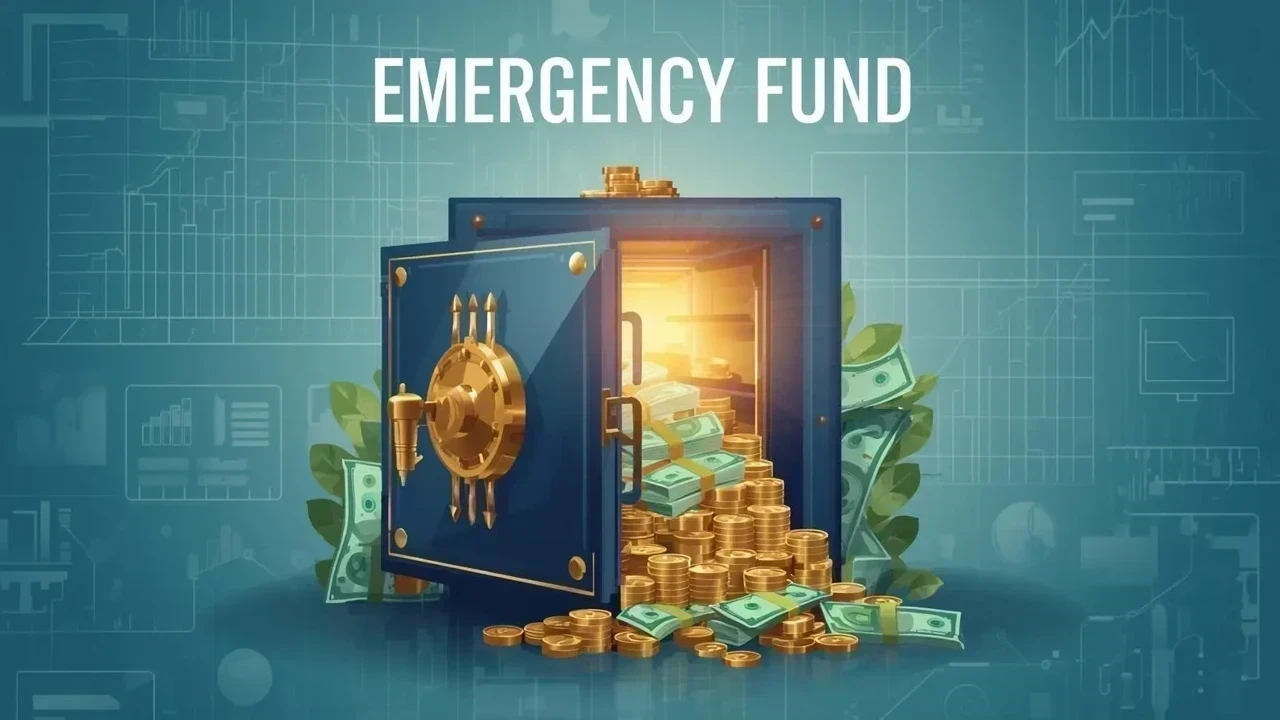
Emergency funds
-
Short-term expenses
-
Immediate business operations
-
Daily liquidity needs
Cash is a tool, not a wealth-building asset.
When cash becomes dangerous
-
Long-term savings held in cash
-
Excess idle money with no purpose
-
Cash parked due to fear, not planning
In high-inflation countries, long-term cash holding equals planned value loss.
How Inflation Turns Cash Into a Weak Asset
Negative real returns
Even if banks pay interest, it often fails to beat inflation.
Opportunity cost
Money sitting in cash misses chances to grow or protect value.
Behavioral trap
Seeing a stable balance creates false security while real value declines.
Over time, this weakens financial independence and future purchasing power.
Comparing Cash vs Inflation-Resistant Assets
Understanding alternatives helps clarify why cash struggles during inflation.
Cash
-
High liquidity
-
Low risk of nominal loss
-
High risk of real value erosion
Inflation-linked instruments
-
Designed to adjust with inflation
-
Preserve purchasing power better
-
Often require longer holding periods
Real assets
-
Tend to rise with inflation
-
Less liquid than cash
-
Protect long-term value
The key is balance, not replacement.
The Biggest Mistake During Inflation
The most common mistake is doing nothing.
People wait for inflation to settle, interest rates to rise, or markets to stabilize. Meanwhile, purchasing power keeps falling.
Holding cash without a strategy is not safety—it is passive loss.
Cash and Emergency Funds in High-Inflation Countries
Emergency funds remain essential, even during inflation.
Smarter emergency fund strategy
-
Keep 3–6 months of essential expenses
-
Prioritize liquidity and safety
-
Avoid locking emergency money long-term
-
Review fund size annually as costs rise
Emergency cash should protect you from crises, not become excess idle money.
How Businesses Are Affected by Holding Excess Cash
Businesses in high-inflation countries face even greater risk.
Impact on businesses
-
Rising operating costs
-
Declining cash reserves value
-
Reduced purchasing power for inventory
-
Pressure on profit margins
Businesses that hold large idle cash reserves without planning see working capital weaken over time.
Why Governments and Banks Can’t Fully Protect Cash
Many assume governments or banks will fix inflation.
The reality
-
Interest rates often lag inflation
-
Policy changes take time
-
Global factors influence local inflation
Relying solely on policy support is risky for personal finances.
How Smart Individuals Treat Cash During Inflation
Financially resilient individuals do not eliminate cash—they redefine its role.
Cash as a buffer, not a store of value
-
Cash for safety and liquidity
-
Other instruments for growth and protection
This mindset shift is critical in inflationary environments.
Signs You Are Holding Too Much Cash
-
Savings growing slower than expenses
-
Fear-driven avoidance of any planning
-
Large balances with no clear purpose
-
Long-term goals feeling increasingly out of reach
These are warning signs, not comfort signals.
The Role of Financial Awareness
Inflation rewards awareness and punishes ignorance.
People who understand how money behaves during inflation:
-
Adjust faster
-
Protect purchasing power
-
Experience less financial stress
-
Make calmer decisions
Education is the first line of defense.
Long-Term Consequences of Treating Cash as “Safe”
Over long periods, excessive cash holding can lead to:
-
Reduced retirement readiness
-
Lower lifestyle quality
-
Increased dependence on debt
-
Missed financial opportunities
The danger is slow and invisible but deeply impactful.
A Balanced Approach for High-Inflation Countries
The smartest approach is not extreme.
What balance looks like
-
Sufficient emergency cash
-
Limited idle cash
-
Clear purpose for every rupee or dollar
-
Regular review based on inflation trends
Balance provides safety and sustainability.
Final Perspective on Cash in High-Inflation Economies
Cash is not becoming useless—but it is becoming expensive to hold without intention. In high-inflation countries, cash must be treated as a short-term utility, not a long-term asset. True financial safety now comes from understanding inflation, adapting money behavior, and making informed choices—not from avoiding all change.
Holding cash without strategy is no longer conservative. It is costly.
Disclaimer
This article is for informational and educational purposes only and does not constitute financial, investment, or legal advice. Financial decisions depend on individual circumstances, inflation rates, regulations, and risk tolerance. Readers should consult a qualified financial advisor before making significant financial or asset allocation decisions.