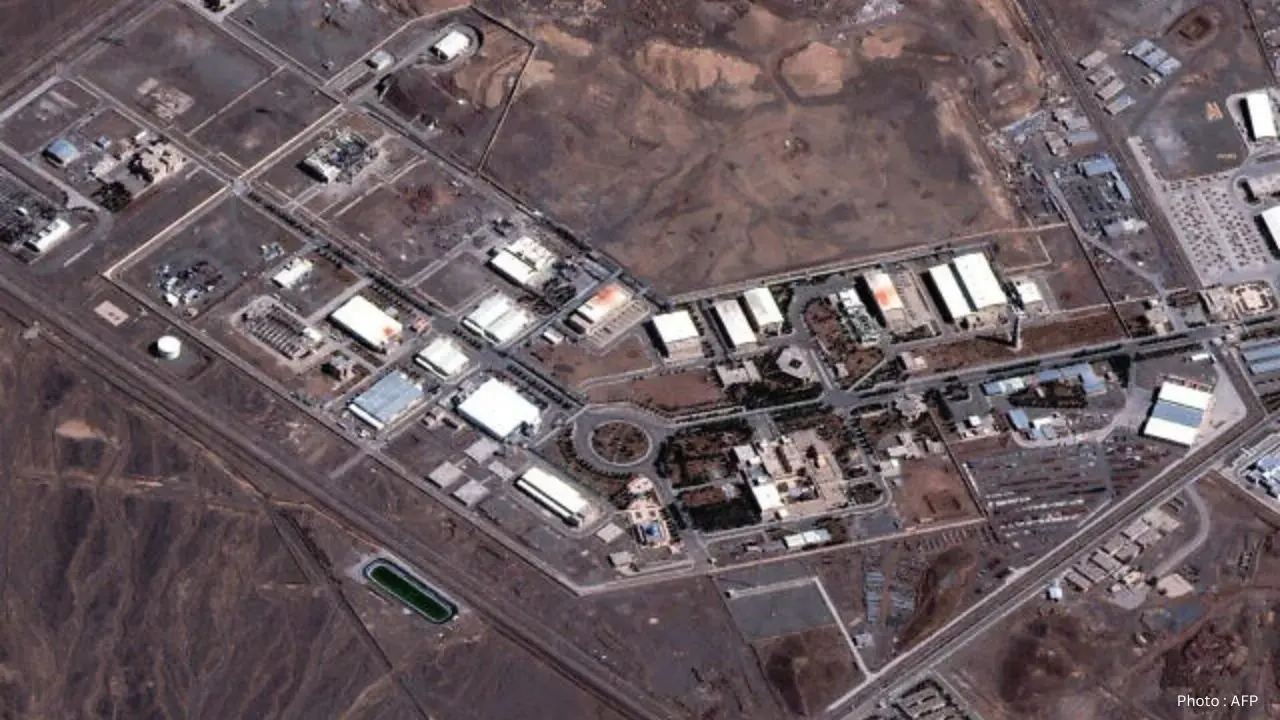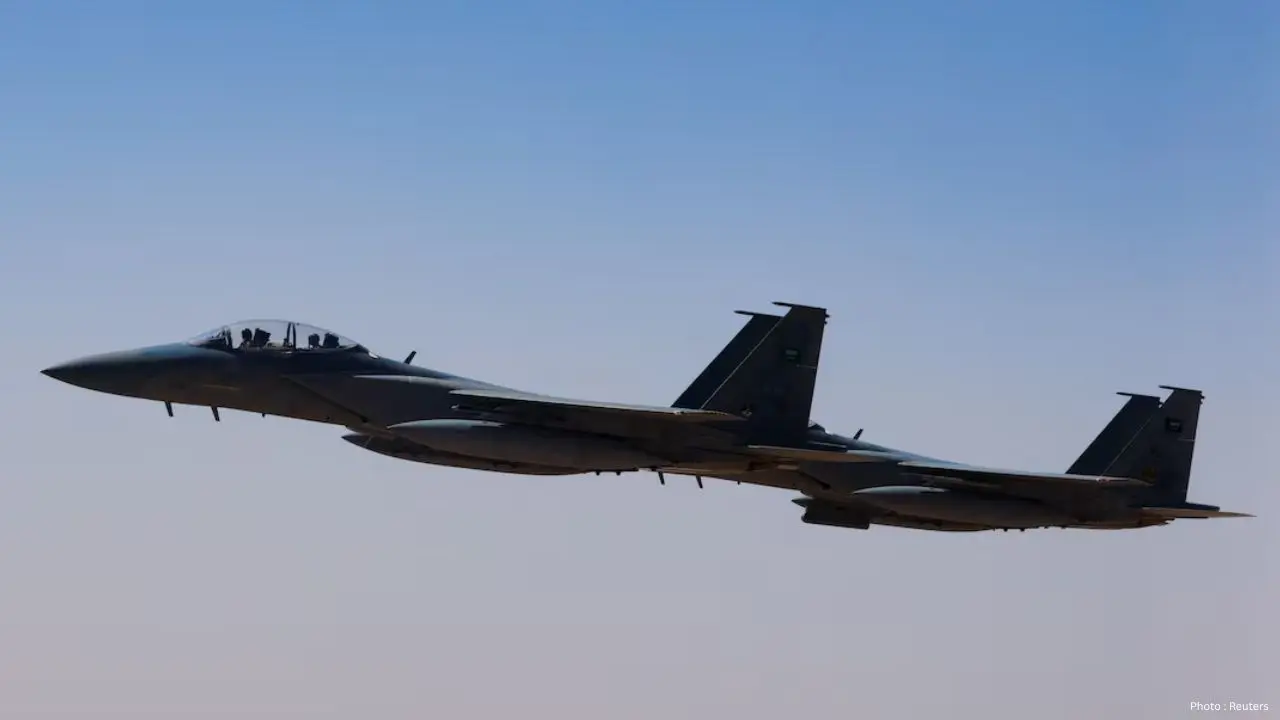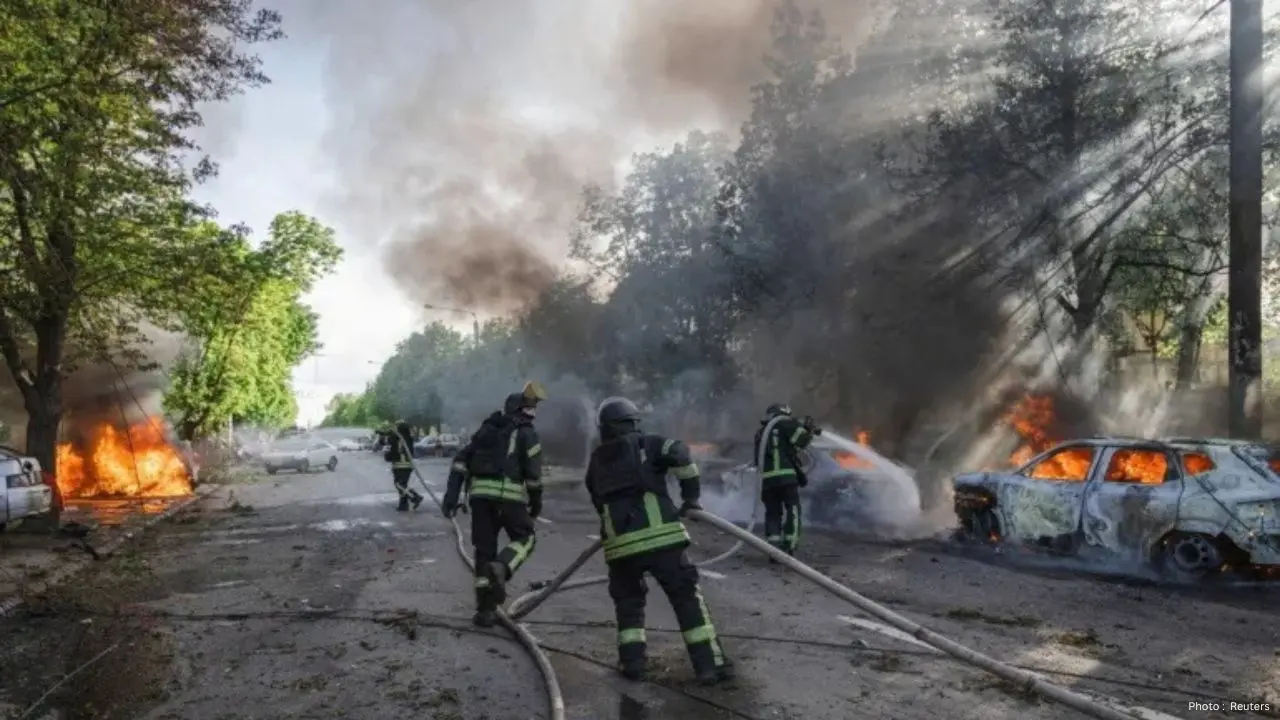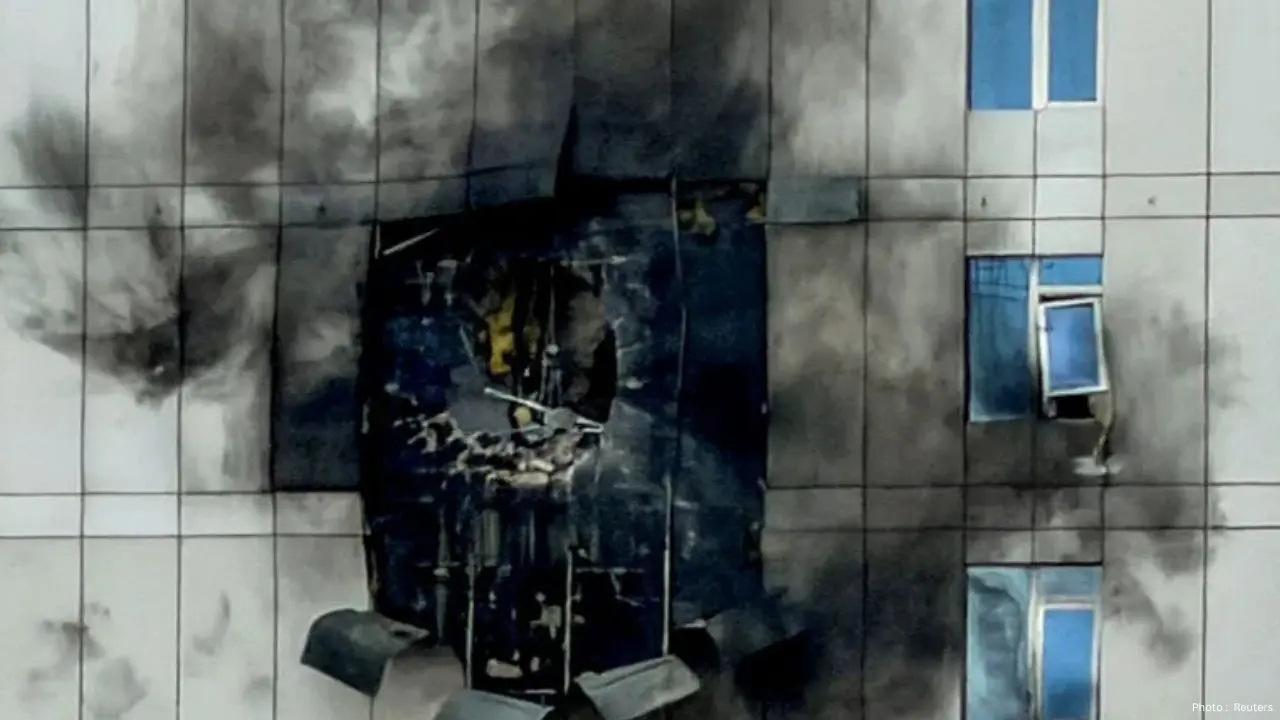
The state of Iran's nuclear program continues to pose significant global challenges, with new findings from US intelligence revealing that recent military strikes have had minimal impact. Despite ongoing military efforts, Iran's fundamental nuclear capabilities appear largely unaffected.
According to the intelligence reports, Iran’s advancements in nuclear technology remain consistent. Specialists assert that the nation retains the capacity to rapidly progress should it choose to proceed. These developments pose pressing questions regarding the efficacy of military interventions against nuclear programs.
One critical issue is the substantial stockpile of enriched uranium. Reports indicate that the exact locations of this material remain unclear, heightening global tensions and fueling fears regarding possible future actions.
Additionally, many of Iran's nuclear facilities are positioned underground, making them difficult to target effectively and safeguarding crucial components of the program from destruction. This reality suggests that even sustained military strikes may not suffice to halt nuclear activities.
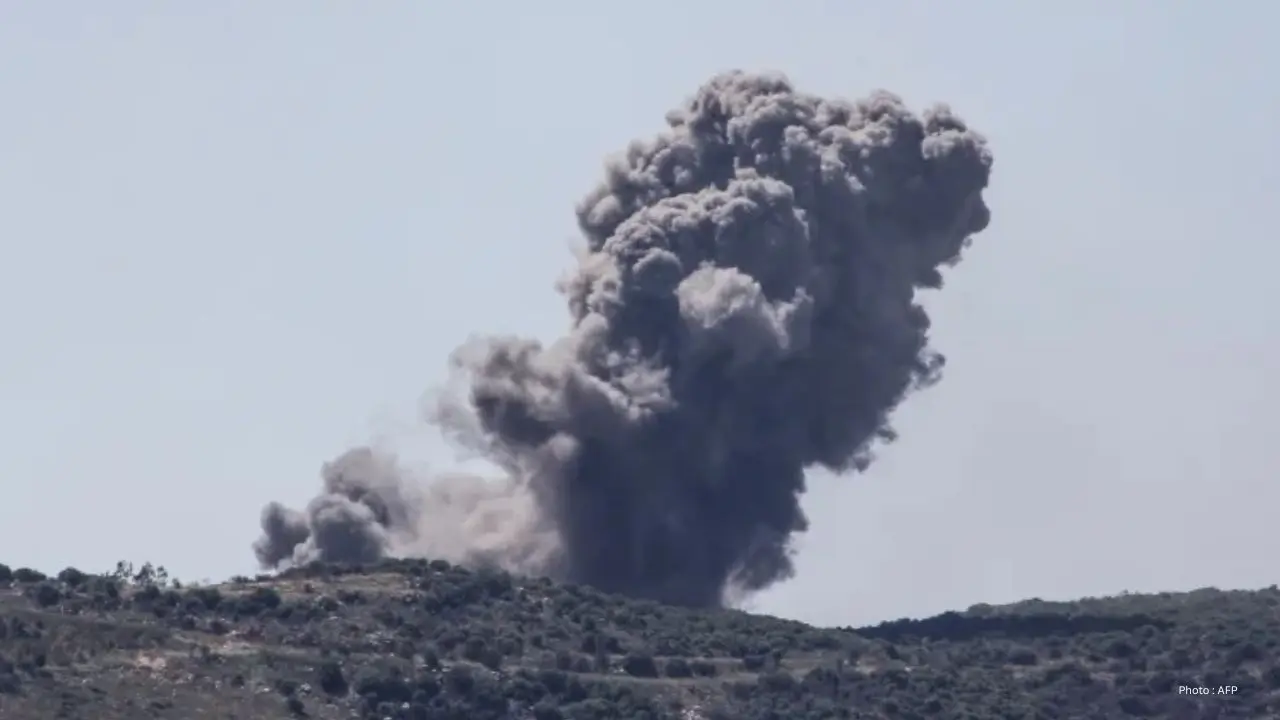
Recent military strategies have also seen a shift, targeting not just nuclear installations but a range of military assets. This shift may explain why the nuclear program has weathered these assaults relatively intact.
The overarching situation underscores a critical dilemma in global security dynamics. While military actions may slow nuclear advancement, they often fall short of completely dismantling a sophisticated nuclear system. Achieving enduring solutions typically necessitates diplomatic negotiations, thorough monitoring, and robust international cooperation.
Heightened tensions in the Middle East are also influencing global economic landscapes. Fears surrounding conflict and instability have started to affect oil prices and trade practices. The nuclear issue further complicates an already volatile landscape.
Adding to these challenges is the limited transparency characterizing Iran’s nuclear endeavors. International monitoring agencies struggle to access and verify the country's nuclear activities, complicating the assessment of the program's actual scope.
There is an increasing global focus on developments surrounding the Iran nuclear program update 2026, as well as US intelligence reports on Iran. This challenge transcends regional boundaries, impacting broader international security and stability.
The United States maintains its commitment to impede Iran from acquiring nuclear weapons. However, the latest intelligence indicates that achieving this objective may require more than military interventions alone.
The current landscape suggests a need for a comprehensive strategy. In addition to security protocols, diplomatic initiatives and international collaboration will be essential in navigating this complex issue.
The Iran nuclear program remains active, signaling a continuous alert for the global community. The forthcoming months will be crucial in determining whether tensions escalate or if pathways towards peaceful resolutions are pursued.