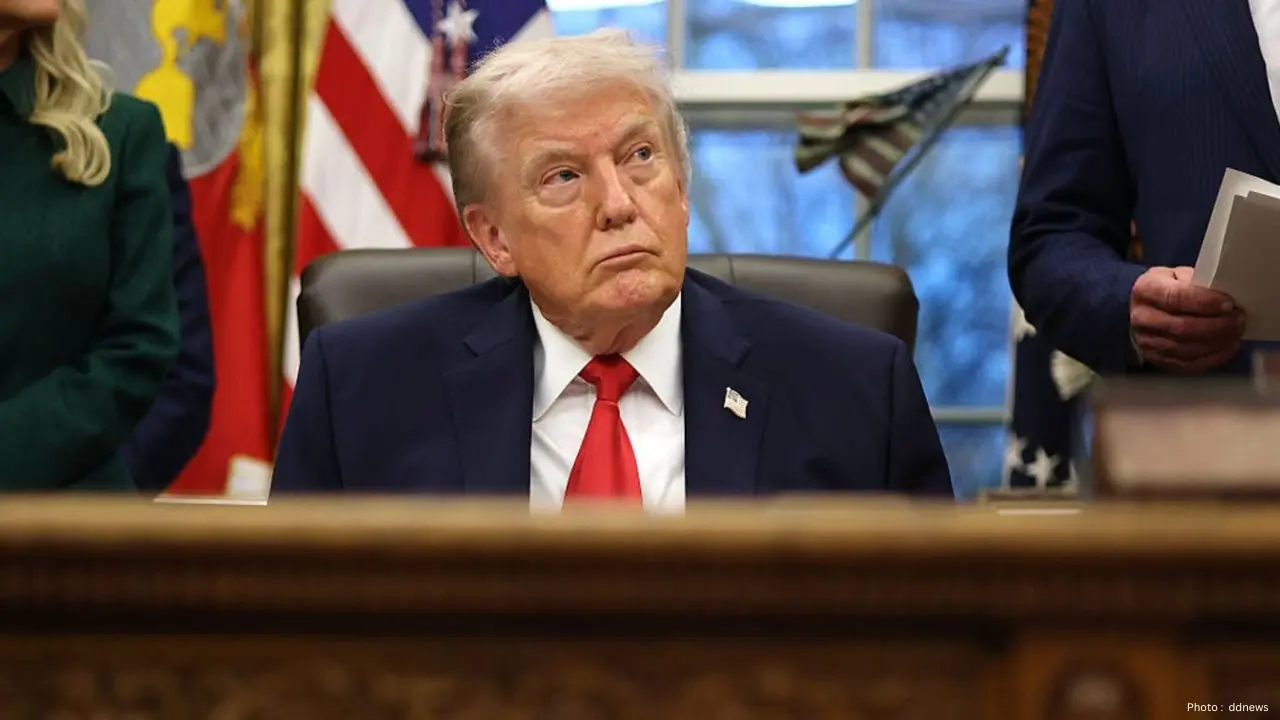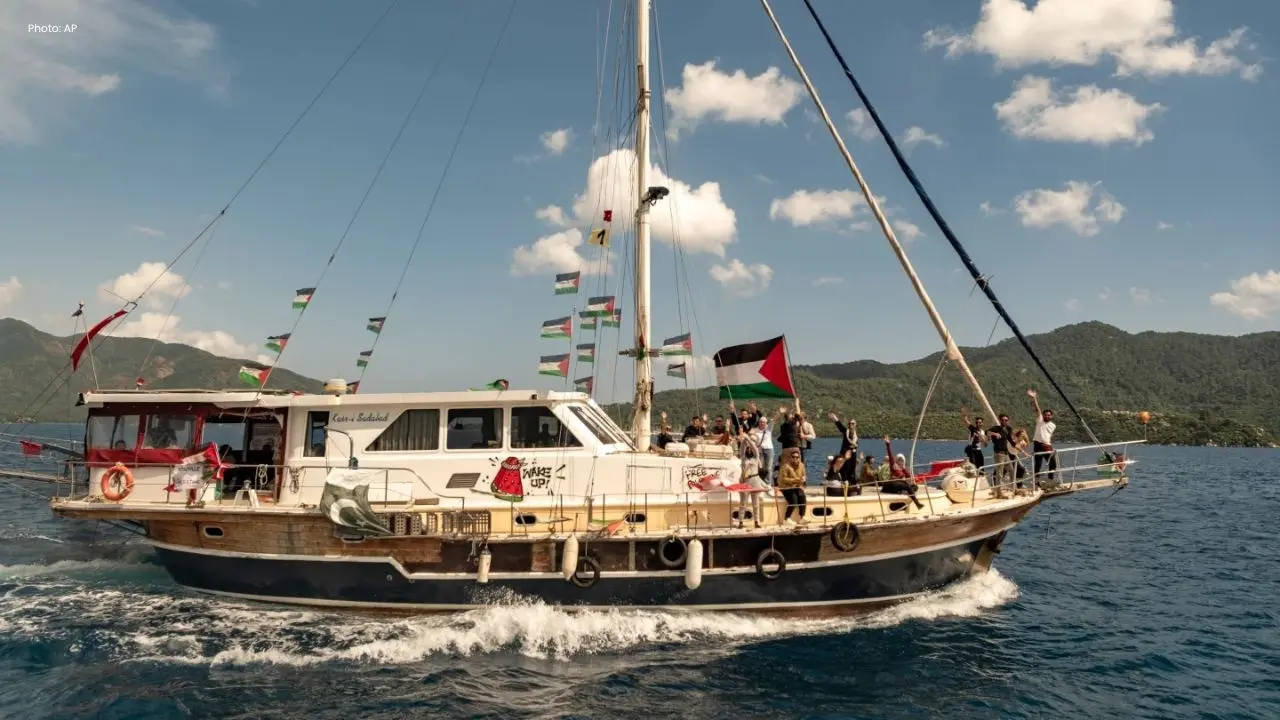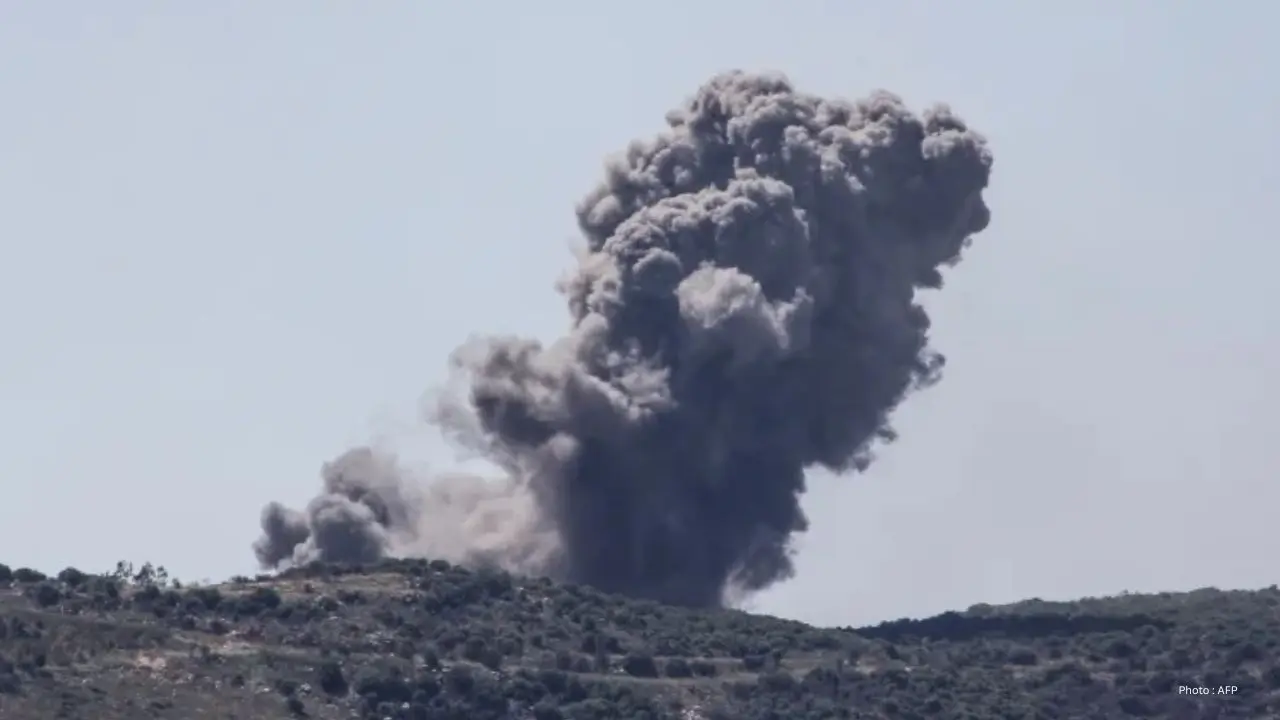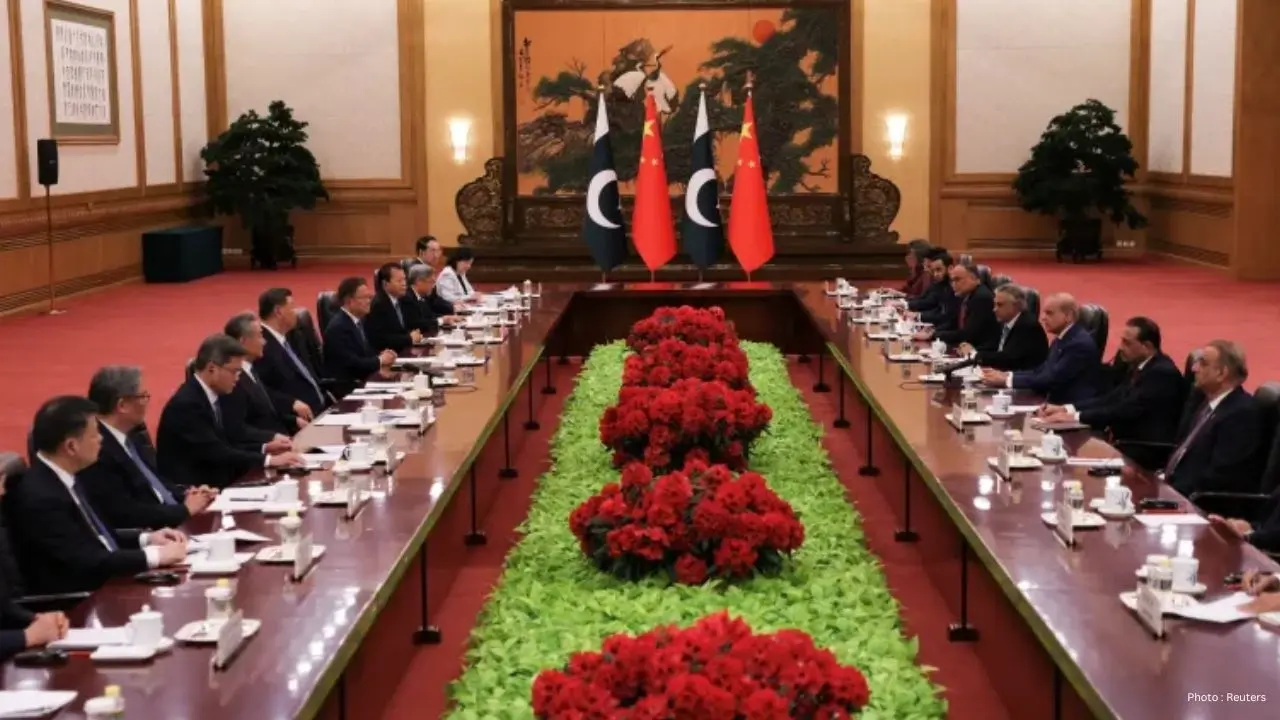
Iran has opted out of upcoming talks with the United States slated for Pakistan, a move that significantly heightens tensions right before a delicate ceasefire deadline in the Middle East. This decision follows a serious naval clash in the Gulf of Oman, wherein US forces seized an Iranian cargo ship accused of breaching an American blockade.
US officials confirmed that a Navy destroyer intercepted the ship after issuing multiple warnings, successfully disabling it by targeting the engine before taking control. This incident marks the first military enforcement action since the United States imposed a maritime blockade on Iranian ports earlier this month.
Iran has vehemently condemned the act, describing it as “armed piracy” and a breach of the ceasefire agreement. Tehran has issued warnings of possible retaliation, asserting that the current situation, including the blockade and US demands, renders productive negotiations unattainable.
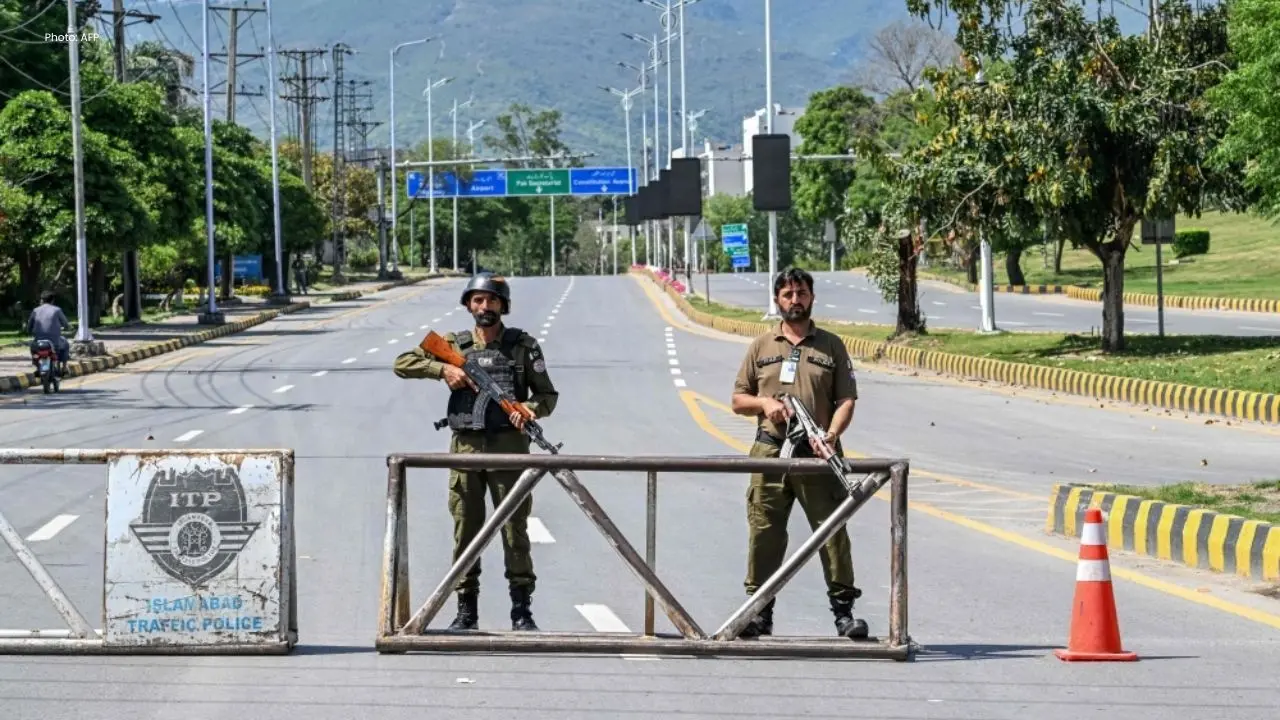
The planned discussions in Islamabad were viewed as a crucial step toward extending the temporary ceasefire, which had suspended weeks of conflict involving US and allied forces. However, Iran's departure now places the diplomatic process in jeopardy.
The ongoing situation raises significant concerns regarding the Strait of Hormuz, an essential global oil passage. Continued volatility and restrictions in the area have already impacted shipping operations and fueled energy market instability worldwide.
On their end, the United States has persisted in applying pressure on Iran, threatening further action should a resolution not be reached. With both parties adopting tougher stances, prospects for immediate diplomatic advancements seem bleak, stoking fears of renewed conflict in the region.