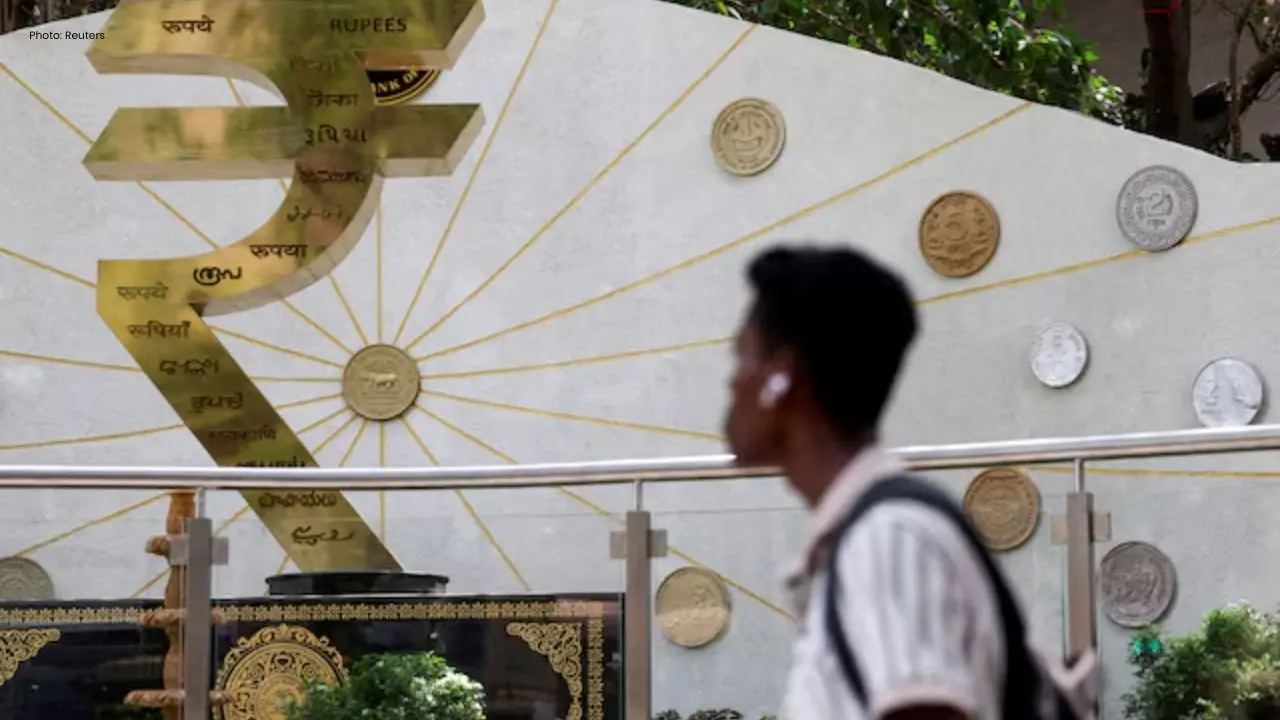
Indonesia has welcomed a significant influx of foreign portfolio investments, totaling US$3.3 billion from January to April 2026, as the nation’s central bank ramps up efforts to bolster the rupiah amidst global financial fluctuations. This surge in inflows is largely attributed to investments in Bank Indonesia Rupiah Securities (SRBI), a pivotal tool in luring foreign capital and safeguarding the national currency.
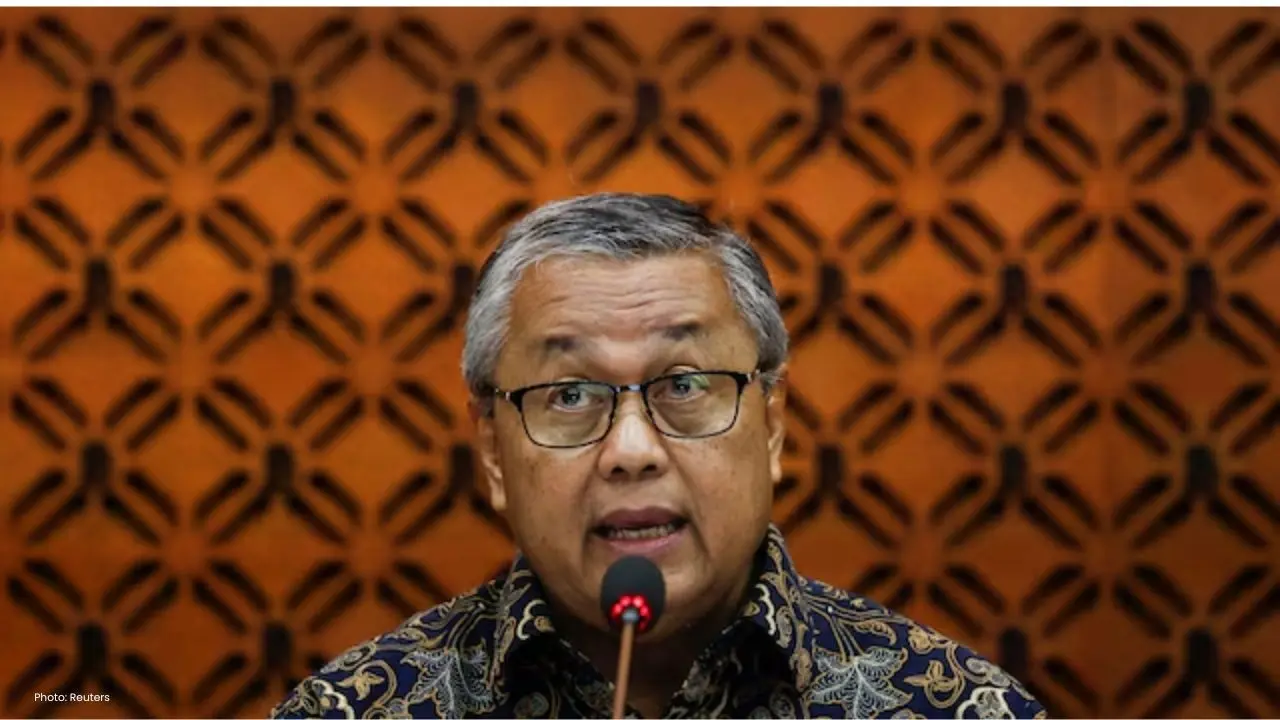
Bank Indonesia’s Governor, Perry Warjiyo, noted that these positive inflows were particularly impressive following a challenging first quarter that witnessed approximately US$1.7 billion in net capital outflows. The uptick in investor confidence showcases the success of the central bank’s monetary and exchange rate stabilization strategies enacted in recent months.
Governor Warjiyo elaborated that investments in SRBI instruments reached nearly 78.1 trillion rupiah in the year’s initial months. In contrast, the equity markets saw net outflows of around 38.6 trillion rupiah. While foreign investments in government bonds have recently emerged, the market still faces net outflows of approximately 11.7 trillion rupiah for the year.
In response to external pressures from international market volatility, Bank Indonesia has adopted an assertive approach to protect the rupiah. Officials revealed that efforts are underway to enhance the interest rate framework of SRBI instruments to attract greater foreign investment and bolster confidence in Indonesia’s financial landscape.
Governor Warjiyo stressed the central bank's commitment to conducting extensive currency interventions not just domestically but also in key global financial hubs. Bank Indonesia has actively engaged in offshore non-deliverable forward markets in locations such as Hong Kong, Singapore, London, and New York, illustrating a relentless effort to uphold the rupiah's value.
He added that these interventions are unprecedented compared to typical central banking practices. Beyond direct market interventions, Bank Indonesia is also executing domestic non-deliverable forward transactions while easing certain offshore rupiah derivative trading regulations for selected financial entities.
Officials affirmed the strength of Indonesia's foreign exchange reserves, which provide critical backing for currency stabilization efforts. As of March 2026, reserves stood at approximately US$148.2 billion, accumulated during phases of strong capital inflows and now pivotal for maintaining financial stability amid global uncertainties and market outflows.
Financial analysts suggest that Indonesia’s forward-thinking monetary policies are crucial to sustaining investor confidence and mitigating undue pressure on the rupiah during a time when global markets grapple with inflation, interest rate vagaries, and geopolitical tensions. The central bank’s measures also serve to assure investors of Indonesia's resolve in maintaining economic and financial stability.
In spite of ongoing global market challenges, Indonesia displays remarkable resilience as the largest economy in Southeast Asia. Officials remain hopeful that strong policy alignment, robust foreign exchange reserves, and sustained investor appetite for Indonesian financial offerings will contribute to the rupiah’s stabilization and foster economic growth in the near future.