The conflict in Iran is severely disrupting the economic landscape of Bangladesh, leading to increased fuel prices and significant energy shortages. In urban centers, particularly Dhaka, citizens now encounter lengthy lines at fuel stations, frequent power outages, and escalating transport costs. Many families find it increasingly difficult to balance their household budgets as inflation spirals due to the ongoing global energy crisis linked to the Middle East turmoil.
Tariqul Islam, a ride-sharing driver from Dhaka, exemplifies the struggles faced by many. After his clothing business collapsed, he turned to ride-sharing as a lifeline. However, persistent fuel shortages have forced him into lengthy waits at petrol stations, diminishing his earnings as he cannot operate his motorcycle regularly. If these challenges persist, his family’s survival in Dhaka could be jeopardized.
With Bangladesh relying heavily on fuel imports, the ongoing warfare has threatened the supply of oil and gas, primarily transported through the Strait of Hormuz—an essential maritime route impacted by the conflict. Rising global oil prices have induced widespread shortages of vital fuels such as gas and diesel, leading to heightened power outages across the industrial sectors. Although the government's recent initiatives to increase fuel supply have provided some relief, long-term economic recovery remains uncertain.
Emergency measures have been rolled out by the government to tackle the energy crisis, including shortened office hours, limited mall operating times, and fuel rations in some regions. Bangladesh is actively seeking alternative fuel supplies and financial help from across the globe. Support from neighboring India, facilitating fuel supply arrangements, has come as a timely response to Bangladesh’s mounting import costs.
The nation’s economy is under further strain due to soaring energy subsidies. Analysts caution that should global prices persist, Bangladesh may be compelled to expend over one billion dollars extra on fuel and LNG subsidies. This bleak outlook has prompted international financial bodies, like the World Bank and Asian Development Bank, to downgrade their economic growth predictions for Bangladesh, raising alarms about worsening inflation and unemployment amid the prolonged Middle East tensions.
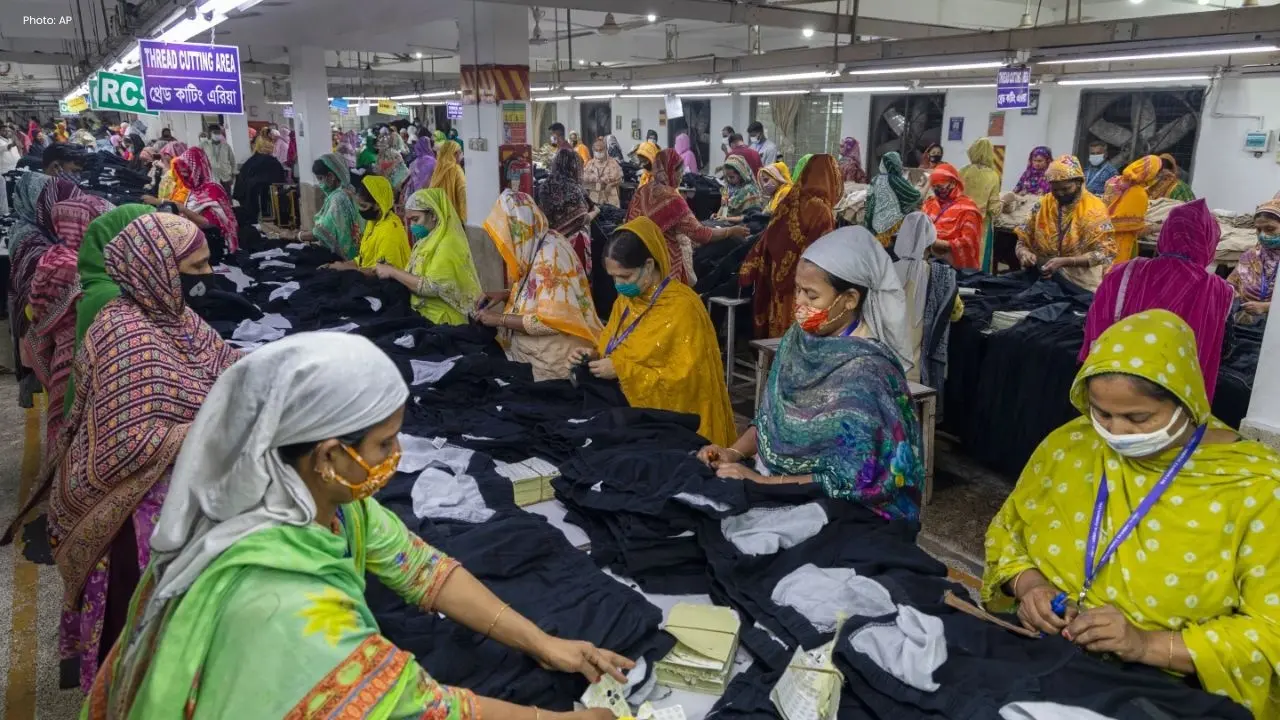
The garment industry, essential to Bangladesh’s economy, also faces severe repercussions. Factory owners report a slowdown in exports to Europe and the United States due to escalating production costs and energy instability. With ongoing power shortages, manufacturers are investing heavily in diesel generators. Additionally, the price hikes on various materials tied to petroleum products, such as sewing threads and packaging options, have further driven up operational costs.
Business leaders express concern over drastic decreases in factory output and fear that international clients may redirect orders to competitor nations like India, Vietnam, and Cambodia if conditions do not improve. Bangladesh stands as the second-largest garment exporter globally, providing jobs for nearly four million workers—most of whom are women from rural backgrounds. With the potential for reduced production or factory closures on the horizon, workers are increasingly anxious about their job security.