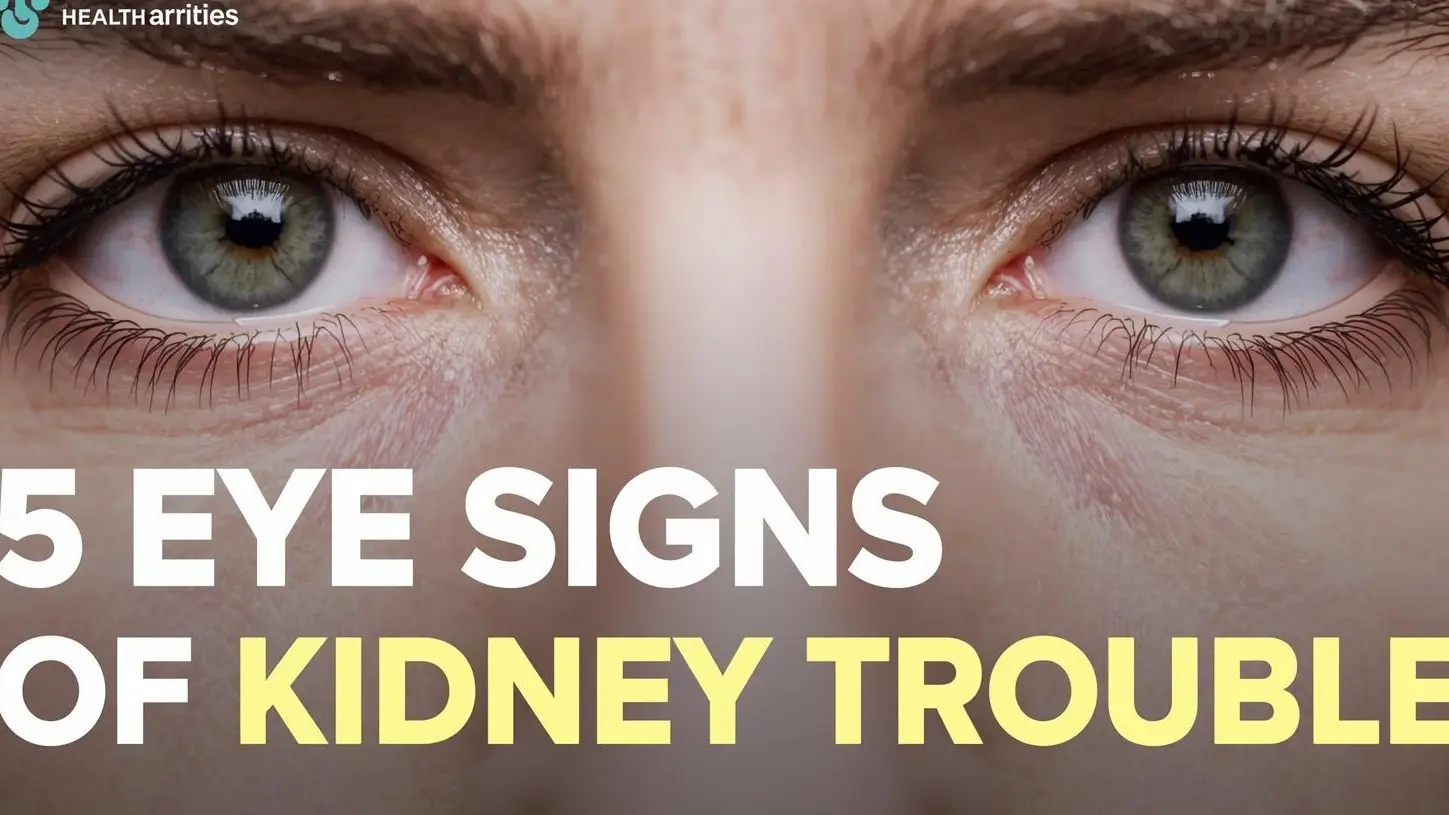
5 Eye Symptoms That Could Indicate Your Kidney Is In Trouble
Our body often gives early warning signs when something is not right, and surprisingly, your eyes can reveal more about your internal health than you might think. The connection between eye health and kidney function is closely linked through blood circulation, nerve health, and fluid balance. When the kidneys are not working properly, certain visible changes can appear in and around your eyes.
Understanding these signs early can help you take action before the condition worsens.
Puffiness Around the Eyes
One of the most common signs linked to kidney issues is persistent puffiness around the eyes, especially in the morning. This swelling happens because the kidneys are not efficiently removing excess fluid and waste from the body.
When protein leaks into urine due to kidney dysfunction, it can lead to fluid retention. The delicate skin around the eyes is often the first place where this fluid buildup becomes visible.
If the puffiness does not go away with proper sleep or hydration and becomes a regular occurrence, it could be a signal that your kidneys are under stress and not filtering properly.
Dark Circles That Don’t Improve
Dark circles are often blamed on lack of sleep or stress, but in some cases, they may indicate deeper health concerns. Chronic kidney issues can lead to toxin buildup in the blood, which may affect skin tone and cause persistent discoloration under the eyes.
When the kidneys fail to remove waste efficiently, it can result in dull and tired-looking skin, especially around sensitive areas like the eyes. If dark circles continue even after improving lifestyle habits, it may be worth paying attention to kidney health.
Dry, Itchy, or Irritated Eyes
Kidneys play an important role in maintaining the body’s mineral balance. When they are not functioning properly, it can lead to imbalances that affect moisture levels in the body, including the eyes.
People with kidney problems may experience dry, itchy, or irritated eyes due to reduced tear production or poor lubrication. This can make the eyes feel uncomfortable and sensitive to light or environmental factors.
Persistent dryness that does not improve with eye drops or hydration could be linked to underlying kidney concerns.
Blurred Vision or Vision Changes
Changes in vision, such as blurriness, difficulty focusing, or sudden vision fluctuations, can sometimes be associated with kidney-related conditions. This is especially true when kidney issues are linked with other health problems like high blood pressure or diabetes.
Kidney dysfunction can affect blood vessels, including those in the eyes. When these tiny vessels are damaged, it may impact vision clarity and eye health.
If vision changes occur frequently without an obvious reason, it is important to consider a full health check-up, including kidney function tests.
Redness or Bloodshot Eyes
Red or bloodshot eyes can be more than just a sign of fatigue or screen overuse. In some cases, it may be linked to toxin buildup in the body due to poor kidney function.
When waste products are not properly filtered, they can circulate in the bloodstream and cause inflammation, which may show up as redness in the eyes. Additionally, increased pressure in blood vessels can also contribute to this symptom.
If redness becomes frequent and is not related to common causes like allergies or lack of sleep, it may indicate a deeper issue.
Why These Signs Should Not Be Ignored
The eyes are highly sensitive and closely connected to overall health. Kidney problems often develop silently, with symptoms appearing only in later stages. However, subtle signs like these can act as early warnings.
Paying attention to these symptoms can help in early detection and timely medical intervention. Regular health check-ups, proper hydration, and a balanced lifestyle can play a major role in maintaining both kidney and eye health.
Disclaimer
This article is for informational purposes only and should not be considered medical advice. Eye symptoms can be caused by various conditions, and not all are related to kidney issues. If you experience any persistent or concerning symptoms, consult a qualified healthcare professional for proper diagnosis and treatment.