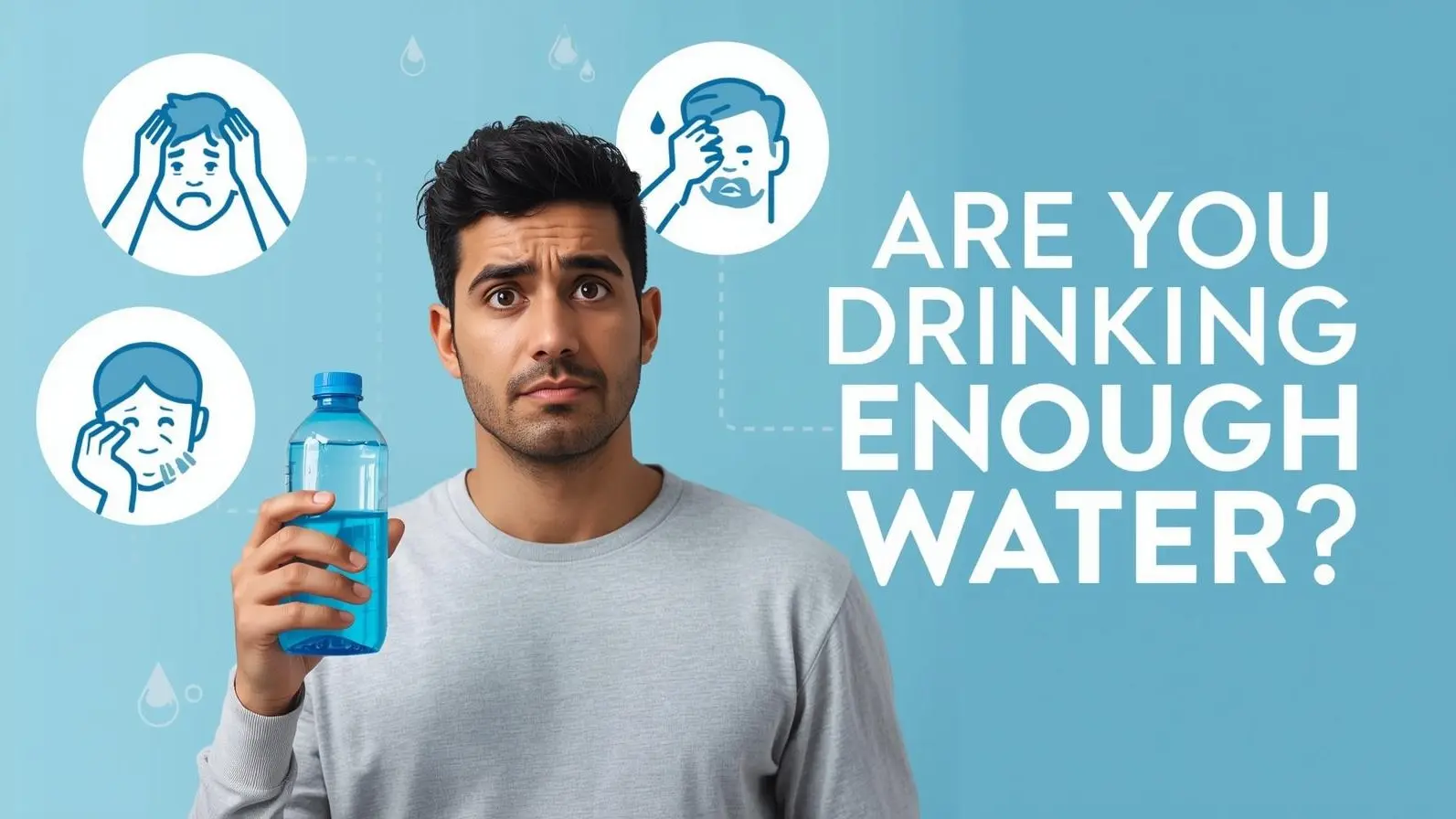
5 Signs You’re Not Drinking Enough Water
Water is essential for almost every function in your body—from regulating temperature to supporting digestion and brain function. Yet many people go through their day without realizing they are mildly dehydrated. The problem is, dehydration doesn’t always show up as extreme thirst. Instead, your body sends subtle warning signals that are easy to ignore.
Understanding these signs can help you take action early and avoid bigger health issues.
1. Constant Fatigue and Low Energy Levels
If you often feel tired even after getting enough sleep, dehydration could be a hidden reason.
When your body lacks enough water:
- Blood circulation slows down
- Oxygen supply to cells reduces
- Energy production decreases
This leads to persistent fatigue, sluggishness, and lack of focus. Even mild dehydration can make everyday tasks feel more exhausting than usual.
2. Frequent Headaches and Dizziness
Headaches are one of the most common signs of not drinking enough water.
Dehydration causes:
- Reduced fluid around the brain
- Temporary shrinkage of brain tissues
- Increased pressure inside the head
This can trigger headaches, migraines, or lightheadedness. If you notice headaches that improve after drinking water, dehydration is likely the cause.
3. Dry Skin and Lips
Your skin reflects your hydration levels.
When your body is dehydrated:
- Skin loses its natural moisture
- Lips become dry and cracked
- You may notice dullness or tightness
While skincare products can help externally, true hydration starts from within. Drinking enough water helps maintain soft, healthy, and glowing skin.
4. Dark Yellow Urine and Less Frequent Urination
Your urine color is one of the easiest ways to check hydration.
- Light yellow or clear → Well hydrated
- Dark yellow → Dehydrated
If you’re not drinking enough water, your body conserves fluids, leading to:
- Darker urine
- Stronger odor
- Reduced frequency of urination
This is a clear signal that your body needs more fluids.
5. Difficulty Concentrating and Mood Changes
Your brain depends heavily on proper hydration.
When you don’t drink enough water:
- Brain function slows down
- Concentration decreases
- Mood may become irritable or anxious
Even slight dehydration can affect memory, focus, and overall mental clarity, making it harder to stay productive.
Why Hydration Is So Important
Water plays a crucial role in:
- Regulating body temperature
- Supporting digestion
- Flushing out toxins
- Maintaining joint lubrication
Chronic dehydration can also contribute to health issues like Kidney stones and other complications over time.
How Much Water Do You Really Need?
There is no one-size-fits-all answer, but general guidelines suggest:
- Around 2–3 liters per day for most adults
- More if you are physically active or live in hot climates
Your needs may vary based on lifestyle, diet, and environment.
Simple Tips to Stay Hydrated Daily
- Start your day with a glass of water
- Carry a water bottle with you
- Eat water-rich foods like fruits and vegetables
- Set reminders if you forget to drink water
- Replace sugary drinks with healthier options
Small habits can make a big difference in maintaining proper hydration.
Not drinking enough water can silently affect your energy, focus, skin, and overall health. The signs may seem minor at first, but they are your body’s way of asking for help.
By paying attention to these signals and staying consistent with your water intake, you can improve how your body feels and functions every day.
Disclaimer
This article is for informational purposes only and should not replace professional medical advice. Individual hydration needs may vary.