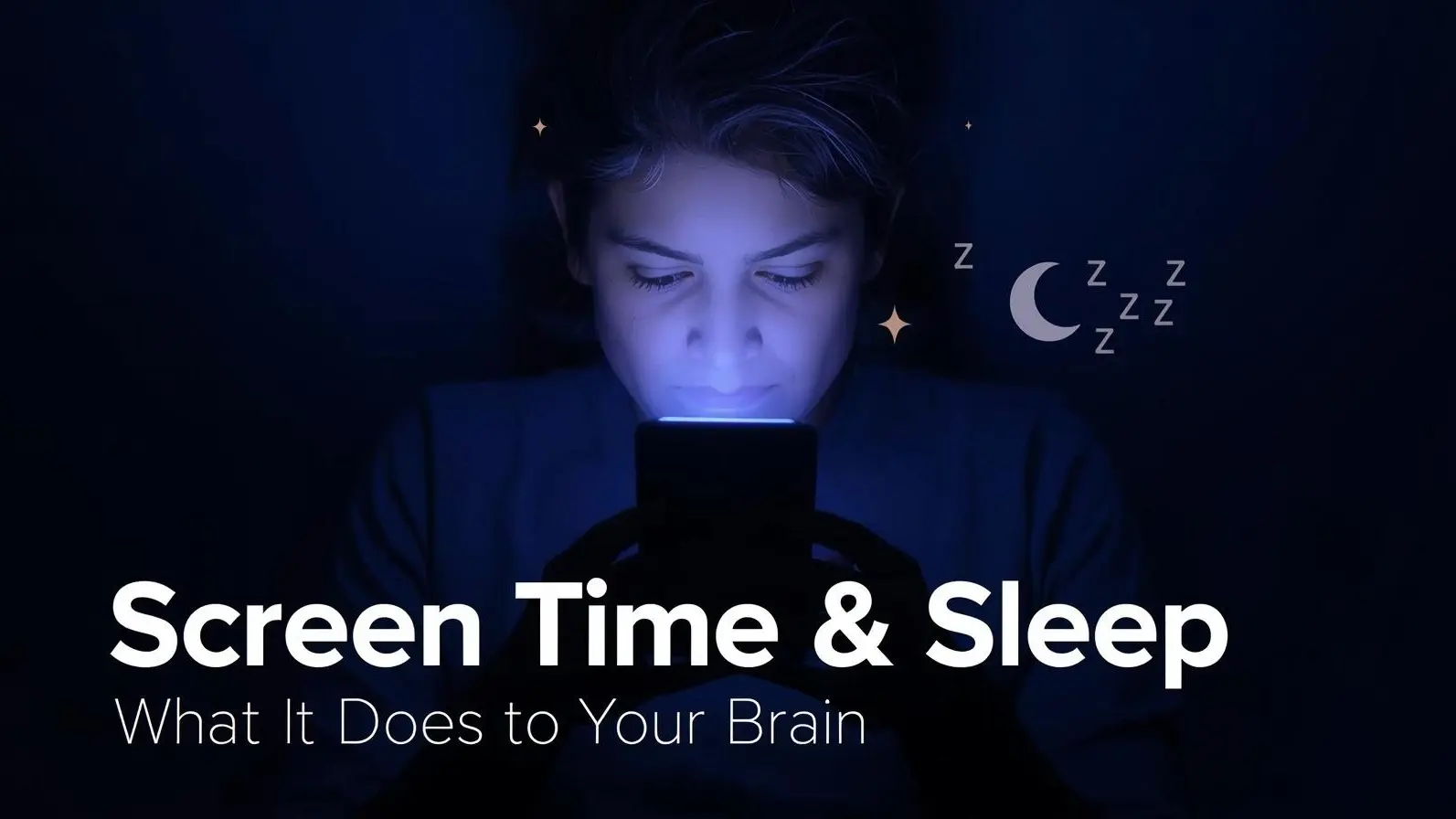
Screen Time Effects on Brain and Sleep: What You Need to Know
Why screen time has become a serious modern health concern
In today’s digital world, screens are everywhere. From smartphones and laptops to televisions and tablets, most people spend a large part of their day looking at a screen. Whether it’s for work, entertainment, or social connection, reducing screen time has become increasingly difficult.
While technology has made life more convenient, it has also introduced new challenges—especially when it comes to brain health and sleep quality. Many people don’t realize how deeply screen exposure affects their mind, focus, and rest patterns until they start experiencing issues like poor sleep, low concentration, or mental fatigue.
Understanding how screen time impacts your brain and sleep is essential if you want to maintain long-term health and productivity.
How screen time affects brain function over time
Your brain is constantly processing information, but excessive screen use can overload it.
When you spend long hours on screens, especially switching between apps, notifications, and content, your brain remains in a state of constant stimulation. This reduces your ability to focus deeply on one task.
Over time, this can lead to:
- Reduced attention span
- Increased mental fatigue
- Difficulty concentrating
The brain becomes used to quick bursts of information rather than sustained thinking. This shift can affect productivity and learning ability.
The connection between screen exposure and sleep disruption
One of the biggest impacts of screen time is on sleep.
Devices emit blue light, which interferes with the body’s natural sleep cycle. This affects a key hormone called Melatonin, which helps regulate sleep.
When you use screens late at night, your brain receives signals that it is still daytime. As a result:
- You feel less sleepy
- Your sleep gets delayed
- Sleep quality decreases
Even if you manage to fall asleep, the rest may not be as deep or refreshing.
Why late-night scrolling is more harmful than you think
Many people use their phones before bed, thinking it helps them relax. In reality, this habit can do the opposite.
Scrolling through social media or watching videos keeps your brain active. Instead of winding down, your mind continues processing information.
This can lead to:
- Difficulty falling asleep
- Interrupted sleep cycles
- Feeling tired even after sleeping
Late-night screen use is one of the biggest reasons behind poor sleep quality in modern lifestyles.
How screen addiction affects mental health
Excessive screen time doesn’t just impact sleep—it also affects mental well-being.
Constant exposure to digital content can lead to:
- Increased stress
- Reduced focus
- Mental exhaustion
Your brain gets less time to rest, which can affect mood and emotional balance.
In some cases, it may also contribute to feelings of anxiety, especially when combined with social media usage.
The impact on memory and learning ability
Your brain needs uninterrupted time to process and store information.
When you frequently switch between apps or multitask on screens, your brain struggles to retain information effectively. This can impact:
- Memory retention
- Learning speed
- Problem-solving ability
Over time, this can affect both academic and professional performance.
How screen time affects children and teenagers differently
Children and teenagers are more sensitive to screen exposure because their brains are still developing.
Excessive screen time at a young age can:
- Affect attention span
- Disrupt sleep patterns
- Impact cognitive development
This is why managing screen time is especially important for younger age groups.
Physical effects linked to excessive screen usage
While the focus is often on mental health, screen time also affects the body.
Common issues include:
- Eye strain
- Headaches
- Neck and posture problems
These physical symptoms can further contribute to fatigue and discomfort, affecting overall well-being.
How much screen time is considered too much
There is no single number that defines “too much” screen time, but balance is key.
If screen usage starts to:
- Affect your sleep
- Reduce productivity
- Cause mental or physical discomfort
it may be a sign that you need to make changes.
Simple ways to reduce screen time without stress
Reducing screen time does not mean completely avoiding technology. Instead, it’s about creating healthier habits.
You can start by:
- Limiting screen use before bedtime
- Taking regular breaks during work
- Setting boundaries for social media
These small steps can make a significant difference over time.
Why creating a bedtime routine is essential
A proper bedtime routine helps signal your brain that it’s time to rest.
Avoiding screens at least 30–60 minutes before sleep allows your body to naturally produce melatonin and prepare for rest.
Replacing screen time with relaxing activities like reading or listening to calm music can improve sleep quality.
The long-term benefits of managing screen time
When you control your screen habits, you may notice improvements in:
- Sleep quality
- Focus and productivity
- Mental clarity
- Overall energy levels
These benefits build over time and contribute to better overall health.
Balance is more important than restriction
Screen time is a part of modern life, and completely avoiding it is unrealistic. However, understanding its impact on your brain and sleep can help you make better choices.
The goal is not to eliminate screens but to use them wisely. By creating healthy habits and setting boundaries, you can enjoy technology without compromising your health.
Your brain and body need time to rest—and sometimes, the best thing you can do is simply put the screen away.
Disclaimer
This article is for informational purposes only and does not replace medical or psychological advice. If you experience severe sleep or mental health issues, consult a healthcare professional.