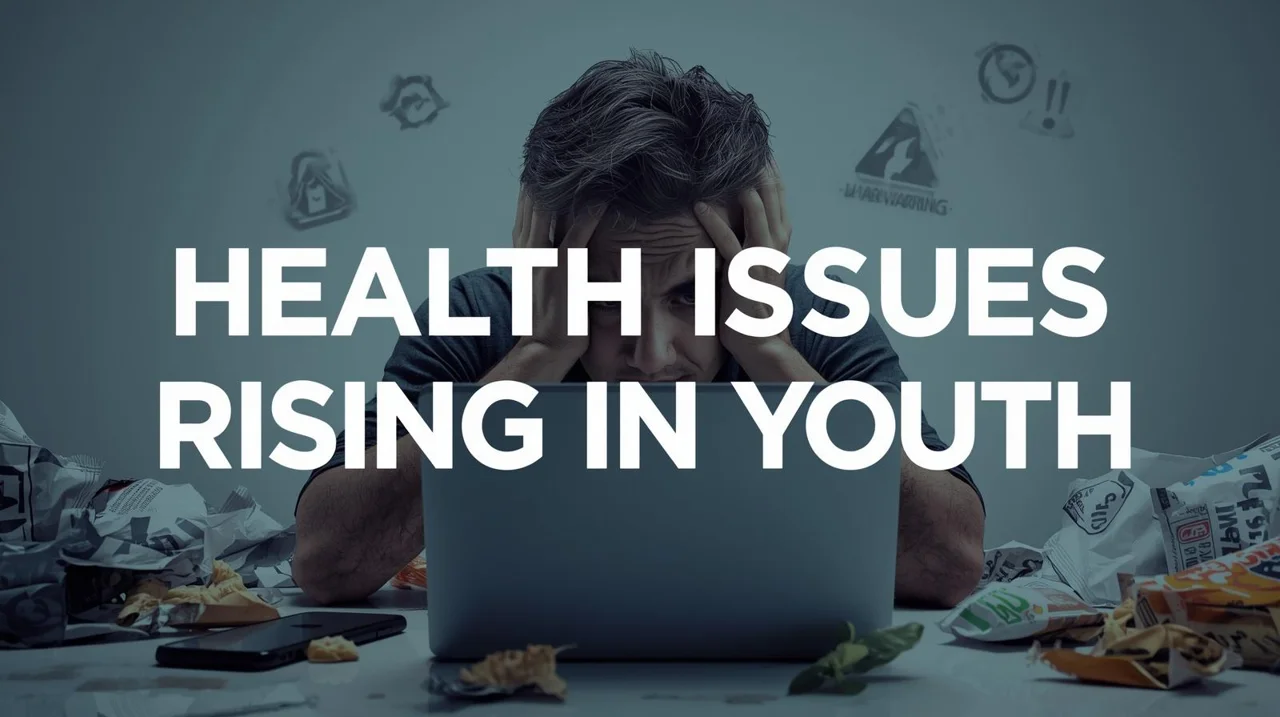
Understanding the Rise in Screen Time
Screen usage has increased sharply due to work-from-home culture, smartphones, online entertainment, and digital communication. Many people now spend eight to twelve hours daily in front of screens without realizing the long-term impact on eye health and brain function. Unlike physical strain, digital strain builds slowly, making the damage easy to ignore.
How Screen Time Affects Eye Health
Digital Eye Strain and Visual Fatigue
Continuous screen exposure forces the eyes to focus at a fixed distance for long periods. This leads to eye strain, burning sensation, dryness, blurred vision, and headaches. Reduced blinking while staring at screens worsens dryness and irritation.
Increased Risk of Dry Eyes
Screens reduce blink rate significantly. When blinking decreases, the tear film on the eyes evaporates faster, causing dryness, redness, and discomfort. Over time, this can lead to chronic dry eye symptoms.
Blue Light Exposure
Screens emit blue light that penetrates deep into the eyes. Prolonged exposure increases eye fatigue and may contribute to retinal stress. Blue light exposure in the evening also interferes with natural sleep signals.
Difficulty Focusing on Distant Objects
Excessive close-up screen use strains eye muscles. This makes it harder to shift focus from near to far objects, leading to temporary blurred distance vision and eye discomfort.
Impact of Screen Time on Brain Health
Reduced Attention Span
Constant notifications, scrolling, and multitasking train the brain to switch focus rapidly. Over time, this reduces attention span and makes sustained concentration difficult, even during non-digital tasks.
Mental Fatigue and Brain Fog
Long screen exposure overloads the brain with visual information. This leads to mental exhaustion, slower thinking, reduced memory recall, and frequent brain fog, especially after prolonged work hours.
Increased Stress and Anxiety
Continuous exposure to digital content, news updates, and social media overstimulates the brain. This keeps stress hormones elevated, increasing anxiety levels and reducing emotional balance.
Disrupted Sleep-Wake Cycle
Screen use, especially at night, suppresses melatonin production. This delays sleep onset, reduces deep sleep quality, and affects memory consolidation and emotional regulation handled by the brain during sleep.
Screen Time and Cognitive Performance
Excessive screen exposure reduces productivity rather than improving it. Mental overload decreases decision-making ability, creativity, and problem-solving skills. Professionals often feel mentally drained despite spending long hours working digitally.
Effects on Children and Young Adults
Developing brains are more sensitive to digital overstimulation. High screen time in younger age groups is linked to reduced focus, delayed emotional regulation, and sleep disturbances. Early habits strongly influence long-term brain health.
Physical Symptoms Linked to Screen Overuse
Eye strain, headaches, neck pain, poor posture, sleep problems, irritability, and reduced motivation are common physical signs that screen time is exceeding healthy limits.
Why Screen-Related Damage Often Goes Unnoticed
Digital strain builds gradually and does not cause immediate severe pain. Many people normalize eye discomfort, poor sleep, and mental fatigue as part of modern life, delaying corrective action.
Practical Ways to Protect Eye Health
Follow the 20-20-20 Rule
Looking away from the screen every twenty minutes at something twenty feet away for twenty seconds relaxes eye muscles and reduces strain.
Adjust Screen Brightness and Position
Keeping screens at eye level and adjusting brightness to match room lighting reduces eye stress and neck strain.
Blink More and Stay Hydrated
Conscious blinking and adequate hydration help maintain eye moisture and comfort.
Ways to Reduce Brain Overload From Screens
Limit Continuous Screen Sessions
Breaking long screen sessions with short offline breaks helps the brain reset and maintain focus.
Reduce Night-Time Screen Use
Avoiding screens at least one hour before bedtime improves sleep quality and brain recovery.
Practice Single-Tasking
Focusing on one task at a time reduces cognitive overload and improves mental clarity.
Balancing Screen Use in Daily Life
Screens are unavoidable, but mindful usage makes a difference. Balancing digital time with physical movement, outdoor exposure, and offline activities supports both eye and brain health.
Long-Term Impact of Uncontrolled Screen Time
Ignoring screen-related strain can contribute to chronic eye problems, persistent sleep issues, reduced cognitive performance, and increased mental health challenges over time.
Final Thoughts
Screen time is an essential part of modern life, but excessive and unmanaged usage quietly harms eye and brain health. Small daily adjustments in screen habits can prevent long-term damage and improve overall well-being without reducing productivity.
Disclaimer
This article is for general informational purposes only and does not replace professional medical advice. Individuals experiencing persistent eye discomfort, vision changes, or neurological symptoms should consult a qualified healthcare professional for proper evaluation and guidance.