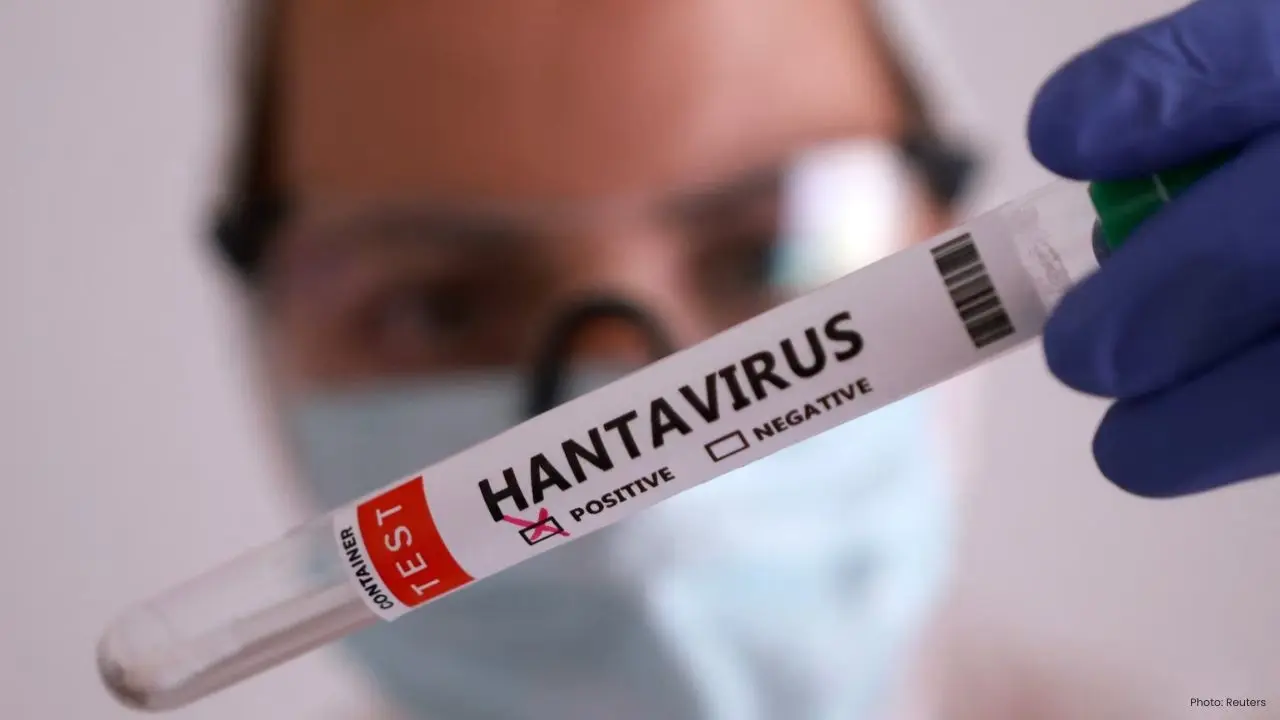
A deadly outbreak of hantavirus linked to a cruise ship has brought global attention back to a long-running effort by Chilean scientists to develop a treatment for the dangerous disease.
Researchers in Chile had made major progress years ago in creating antibodies that could fight the Andes strain of hantavirus, the only known type that can spread from person to person. However, the project was forced to slow down after funding ran out and the Covid-19 pandemic shifted global health priorities.
The recent outbreak aboard the MV Hondius cruise ship, which sailed from Argentina toward Europe, infected several people and caused multiple deaths. The incident prompted a warning from the World Health Organization (WHO) and raised concerns about how the virus spreads internationally.
The research was led by scientist Marcela Barria and her team at the Universidad de Concepcion in Chile. Around 2016, the team discovered that specially developed antibodies successfully neutralized the virus in laboratory tests. Later animal studies also showed promising results, with one antibody completely clearing infection from the lungs.
The scientists worked with international partners, including researchers from the US National Institutes of Health, Germany’s Robert Koch Institute, and New York-based Ichor Biologics.
In 2018, the team published findings showing two monoclonal antibodies could successfully fight the virus. By 2021, one of the treatments received orphan drug status from the US Food and Drug Administration (FDA), a step designed to support faster medical development.
Despite the progress, the research stopped before human trials could begin because the team needed nearly $7 million in funding. Resources were later redirected during the Covid-19 pandemic, delaying further work.
Barria said the team had reached an important stage but lacked the infrastructure and investment needed to continue clinical testing on humans.
According to Chile’s Health Ministry, the country has recorded 39 hantavirus cases and 13 deaths in 2026 so far. In neighboring Argentina, authorities reported 42 infections through early May.
Health experts say hantavirus remains a serious threat in South America, especially in southern Chile and Argentina. The disease often begins with flu-like symptoms such as fever, fatigue, muscle pain, nausea, and stomach discomfort. In severe cases, patients can develop respiratory failure as fluid fills the lungs, requiring intensive care and ventilator support.
Doctors say there is currently no specific treatment for hantavirus, although early diagnosis and medical care can improve survival chances. Fatality rates can reach up to 40% in some cases.
Barria and her team are continuing to study immune responses and antibody durability while searching for new funding to restart human trials. She estimates it could take up to two years to return the project to its pre-pandemic stage.
The latest outbreak has renewed global interest in finding effective treatments and vaccines before another major hantavirus emergency occurs.