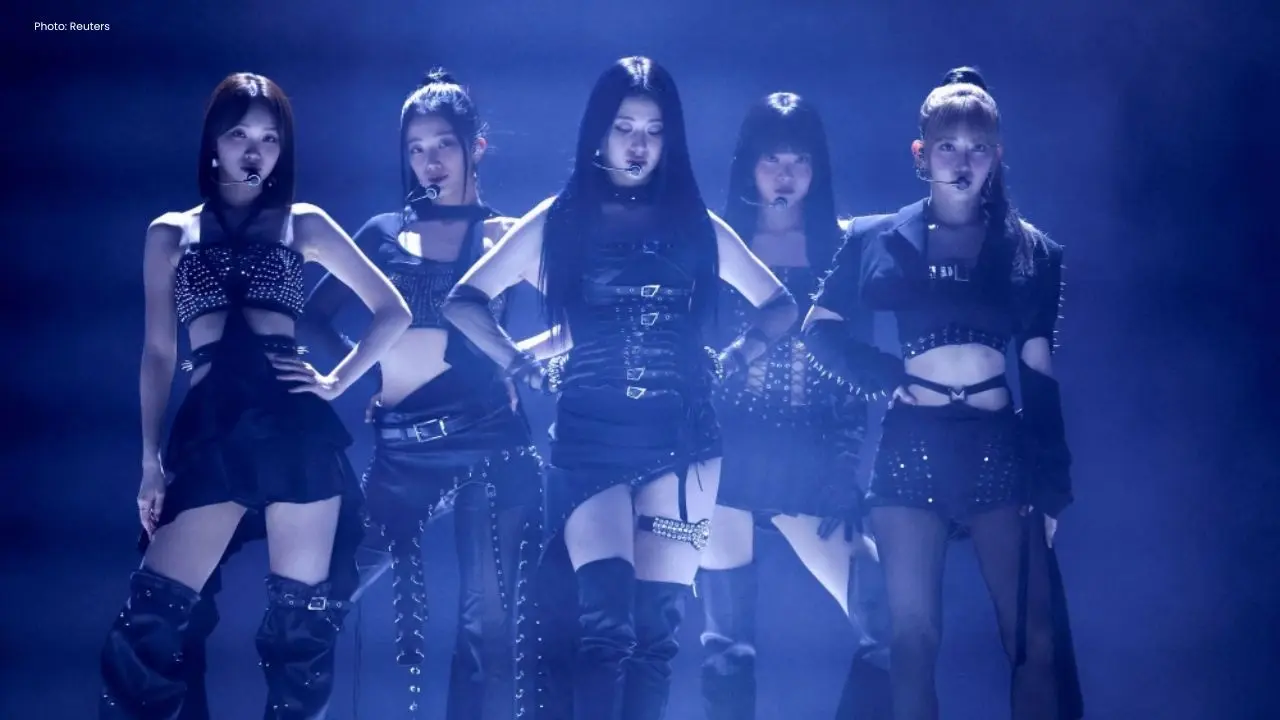
The Eurovision Song Contest has long celebrated global music and culture. This year, however, the anticipated Eurovision final in Vienna has transformed from a musical showcase into a platform engulfed in the escalating political turmoil regarding the Gaza conflict and Israel’s participation.
A number of nations, including Spain, Ireland, Iceland, Slovenia, and the Netherlands, have opted to boycott Eurovision 2026, voicing their dissent against Israel’s entry amidst the ongoing Gaza war. This decision marks one of the most significant controversies ever witnessed in the contest's history, highlighting the profound impact of the Gaza situation on European public sentiment.
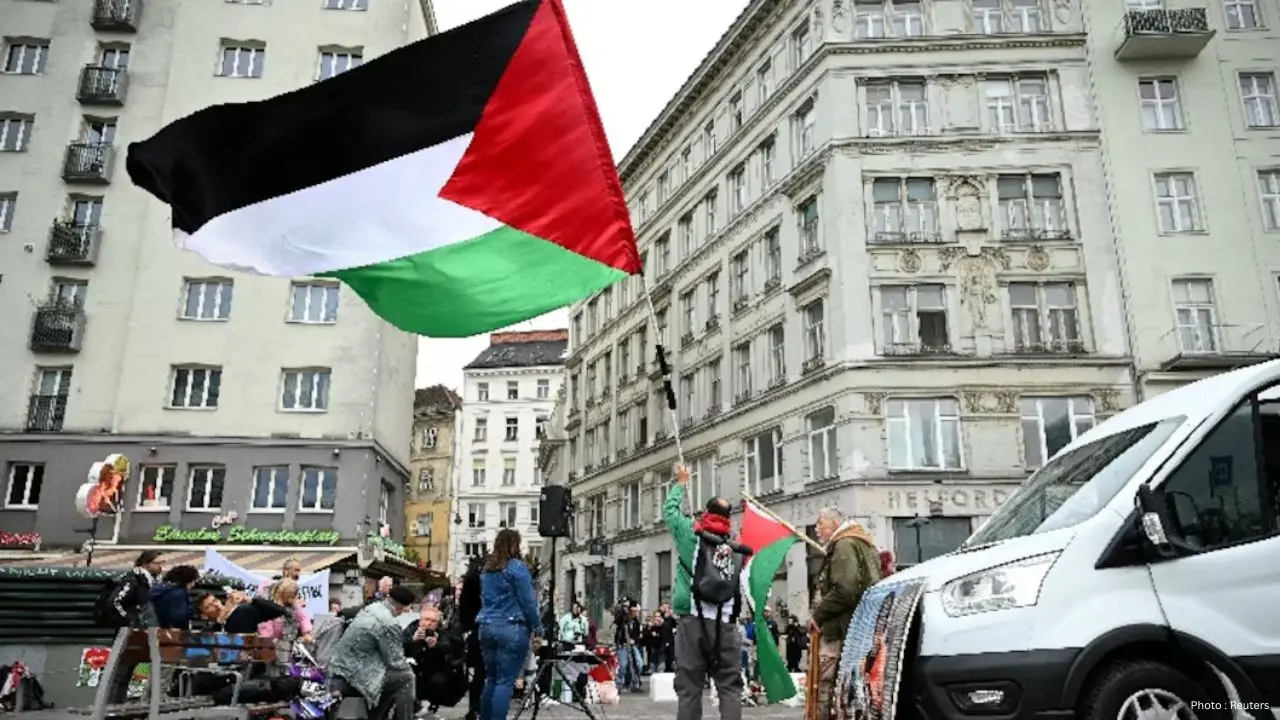
Prior to and during the event, protests took place in Vienna, with demonstrators displaying Palestinian flags and advocating for peace in Gaza. Inside the venue, audience reactions included boos directed at Israel's performer, prompting organizers to bolster security measures amid fears of intensified protests.
The European Broadcasting Union, which oversees Eurovision, continues to stand by its resolution to let Israel compete, asserting that the event should prioritize music and harmony over politics. Yet, many detractors argue it is unrealistic to detach politics from a spectacle viewed by millions against the backdrop of a significant international crisis.
This isn’t the first instance where political issues have influenced Eurovision. Through the years, conflicts, diplomatic disputes, and political tensions have often swayed voting dynamics and public responses. Nevertheless, the current Gaza conflict presents one of the gravest challenges the contest has ever encountered.
Proponents of Israel contend that performers shouldn't bear the brunt of political disputes. In contrast, critics assert that permitting Israel to participate while Gaza suffers sends a troubling message globally. These divergent opinions have polarized fans, broadcasters, and even past Eurovision champions.
Despite the surrounding controversy, the competition is set to proceed. Organizers remain hopeful that music can bridge divides even in trying times. Yet this year's Eurovision underscores that global crises and human hardship can't be overlooked, even when showcased on a purely entertainment-driven stage.