Master the 4-7-8 Breathing Technique to Instantly Lower Cortisol
The 4-7-8 breathing method is one of the simplest and fastest ways to calm your body, reduce stress hormones, and create a sense of instant relaxation. Developed by Dr. Andrew Weil, this technique uses controlled breathing rhythms to activate the parasympathetic nervous system—the part responsible for restoring balance, lowering cortisol, and slowing your heart rate. Many people use it during anxiety spikes, before sleep, during stressful work moments, or whenever the mind feels overwhelmed. This guide explains how the method works, how to do it correctly, and why it has a powerful impact on the body.
How the 4-7-8 Technique Works Inside Your Body
Stress triggers the sympathetic nervous system, causing cortisol and adrenaline to flood your system. The 4-7-8 technique interrupts this pattern.
Key Physiological Effects
Slows heart rate by increasing oxygen flow.
Signals the brain to shift from stress response to relaxation mode.
Stabilizes the nervous system by balancing carbon dioxide and oxygen levels.
Reduces cortisol production by relaxing the adrenal system.
This creates a rapid calming effect that feels almost immediate.
How to Practice the 4-7-8 Breathing Method
This technique works best when performed with full focus.
Step-by-Step Process
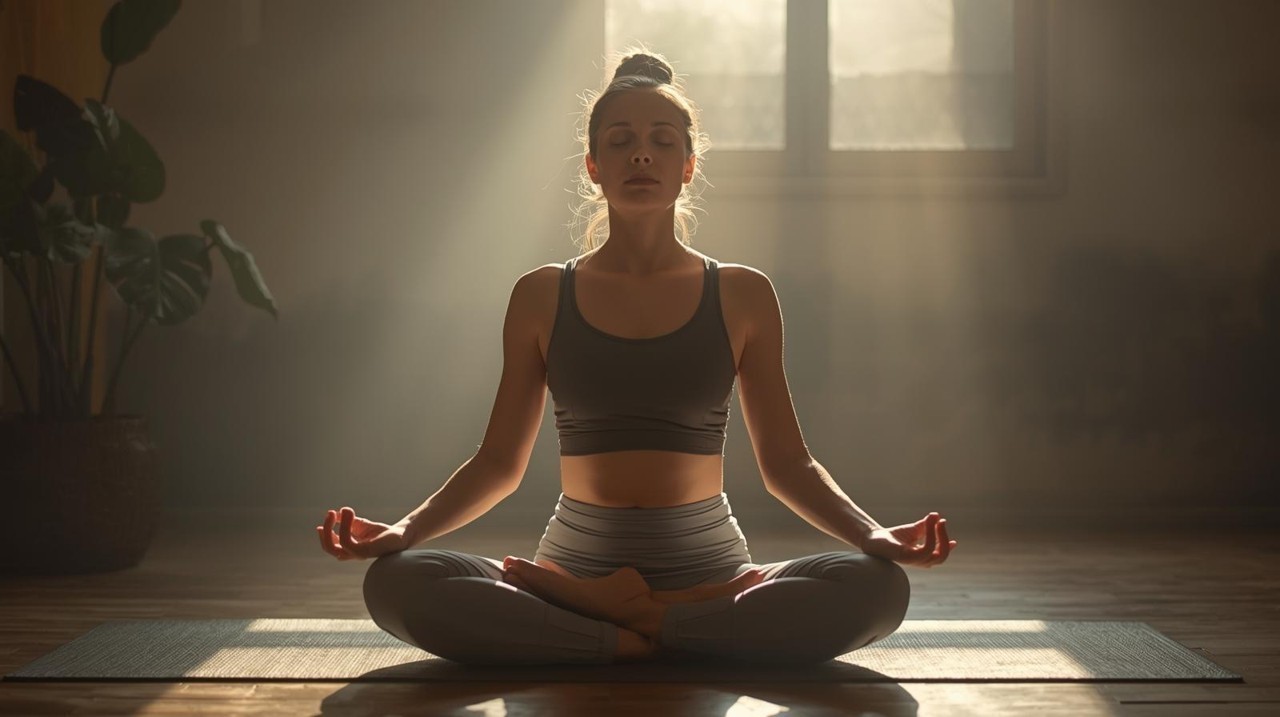
Sit upright with your back straight.
Place your tongue against the ridge behind your upper teeth.
Exhale fully through your mouth with a gentle “whoosh.”
Inhale quietly through your nose for 4 seconds.
Hold your breath for 7 seconds.
Exhale again through your mouth for 8 seconds.
This completes one cycle. Beginners should start with four cycles and gradually increase as they become comfortable.
Why This Technique Reduces Cortisol Quickly
Controlled breathing slows the chemical reactions associated with stress.
Major Benefits
Regulates blood oxygen levels which lowers stress signals.
Activates the vagus nerve, which directly reduces cortisol.
Lowers blood pressure and muscle tension within minutes.
Stabilizes emotional responses by improving brain oxygenation.
Because the method emphasizes extended exhalation, it triggers a relaxation response faster than standard deep breathing exercises.
When to Use the 4-7-8 Method for Best Results
This technique fits easily into daily situations where stress appears unexpectedly.
Ideal Moments
Before sleep for better rest
During anxiety or emotional overwhelm
Before a work presentation or stressful conversation
During travel, crowds, or high-pressure situations
After caffeine intake when your mind feels overstimulated
Practicing twice a day helps create long-term stress resilience.
How Long It Takes to Feel the Effects
Most people feel calmer after one minute of practice. With consistent use, the benefits grow stronger.
Short-Term Effects
Relaxed breathing, slower heart rate, reduced tension
Long-Term Effects
Lower baseline stress levels, improved sleep, stronger emotional control, and better focus
Your body learns to shift from stress mode to calm mode more efficiently over time.
Common Mistakes to Avoid
Practicing too quickly, holding breath for too long, or exhaling with forceful pressure can create dizziness.
Avoid These Errors
Do not rush the counts.
Keep breaths smooth and controlled.
Avoid practicing immediately after heavy meals.
If light-headed, pause and resume slowly.
The technique should feel soothing—not overwhelming.
Why the Technique Helps You Sleep Faster
The 4-7-8 rhythm mimics the natural breathing pattern of deep sleep.
How It Prepares the Body
Lowers nervous system activity
Reduces intrusive thoughts
Relaxes facial and jaw muscles
Encourages melatonin release
Many people fall asleep mid-practice once they build familiarity with the method.
Who Should Use This Technique
Almost anyone can safely use the technique, but it is especially effective for those with high stress, anxiety, poor sleep, or fast-paced daily routines.
Highly Beneficial For
Students handling academic pressure
Working professionals overwhelmed by deadlines
Parents managing daily responsibilities
People with insomnia or shallow breathing patterns
Anyone experiencing emotional burnout
It is a non-medication tool that can be used anytime, anywhere.
Can It Replace Therapy or Medical Treatment?
The technique is powerful for managing stress, but it is not a replacement for treatment of chronic anxiety disorders, trauma, or medical conditions.
It works best as a supportive daily habit that stabilizes your nervous system and complements lifestyle changes.
Final Thoughts
The 4-7-8 breathing method is a simple but incredibly effective tool for lowering cortisol and calming the mind almost instantly. With just a minute of controlled breathing, you can trigger powerful relaxation signals in your body and regain emotional balance. Practicing it consistently helps manage daily stress, improves sleep, sharpens focus, and builds long-term resilience. For anyone looking to reduce stress naturally, this technique is one of the easiest and most impactful habits to adopt.
Disclaimer
This article provides general wellness information and is not a substitute for medical advice, diagnosis, or treatment. Although the 4-7-8 breathing technique is safe for most people, those with respiratory issues, cardiovascular concerns, or chronic anxiety should consult a qualified healthcare professional before beginning any new breathing practice. The author is not liable for any outcomes resulting from the use of this technique.