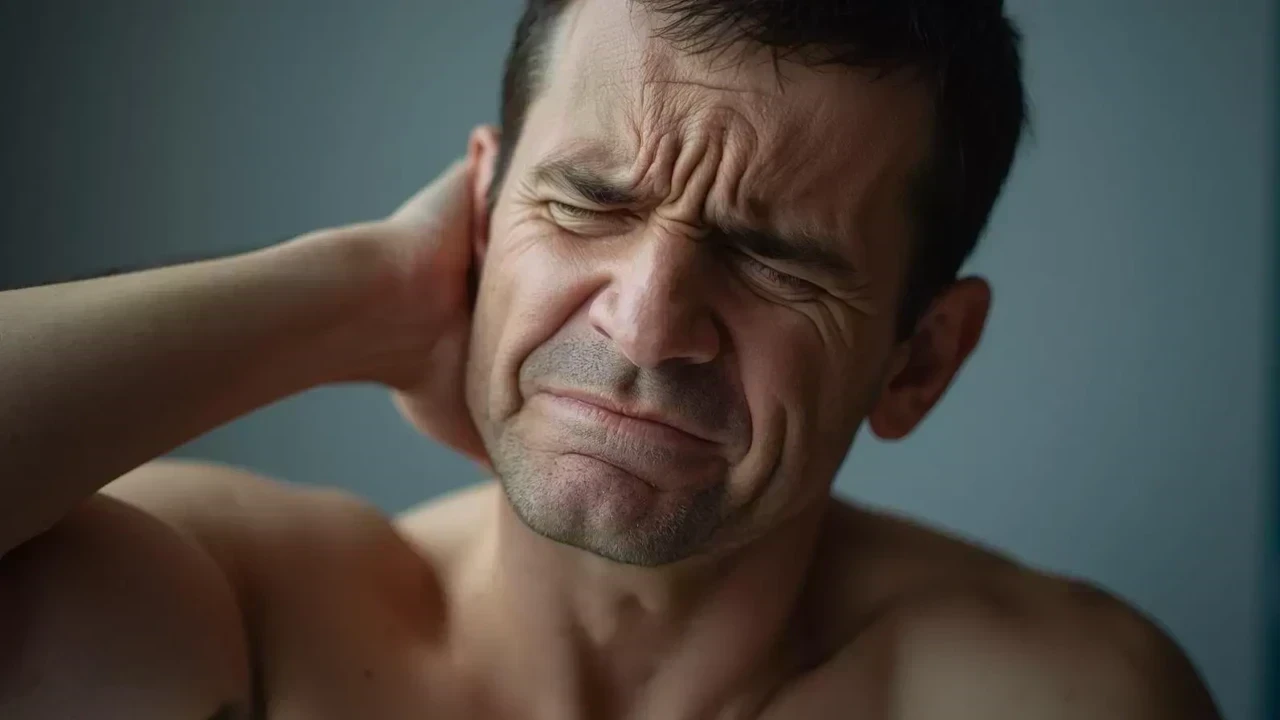
Why Back Pain Starts Even Before Age 30 Now
Back pain was once considered a problem of aging, heavy labor, or injury. Today, doctors and physiotherapists are seeing a sharp rise in chronic back pain among people in their 20s—often without any major accident or medical condition. What’s more concerning is that many young adults accept this pain as “normal,” not realizing it is an early warning sign of deeper lifestyle damage.
This article explains why back pain is starting earlier than ever, how modern habits are quietly harming spinal health, and what young people can do to prevent long-term damage before it becomes permanent.
The Shift: Why Back Pain Is No Longer an “Old Age” Problem
In the past, back pain was linked to years of physical strain. Today, it is linked to years of physical inactivity combined with mental overload. Modern life has changed how the human body moves, rests, and recovers.
Key reasons for this shift include:
-
Prolonged sitting from teenage years
-
Excessive screen exposure
-
Poor posture becoming habitual
-
Reduced muscle strength and mobility
-
Chronic stress affecting muscle tension
The spine is designed for movement, not stillness. When movement disappears, pain replaces it.
Sedentary Lifestyle and the Death of Natural Movement
One of the biggest contributors to early back pain is long hours of sitting.
What prolonged sitting does to the spine
-
Compresses spinal discs
-
Weakens core and back muscles
-
Reduces blood flow to spinal tissues
-
Creates stiffness in hips and lower back
Most people sit for 8–12 hours a day between work, commuting, and screen time. This level of inactivity was never part of human design.
Poor Posture Becomes Permanent Faster Than You Think
Posture problems are no longer occasional—they are structural.
How modern posture damages the back
-
Slouched shoulders strain upper back
-
Forward head posture overloads the neck
-
Rounded lower back increases disc pressure
-
Uneven sitting causes muscle imbalance
Over time, the body adapts to bad posture, making pain persistent even when standing or sleeping.
Weak Core Muscles and Spine Instability
Your spine depends on surrounding muscles for support.
Why weak muscles cause pain early
-
Core muscles stabilize the spine
-
Weak glutes overload the lower back
-
Tight hip flexors pull the spine forward
When muscles fail to support the spine, ligaments and discs take the load—leading to pain even at a young age.
Screen Time and “Tech Neck” Syndrome
Smartphones and laptops have introduced new spinal stress patterns.
How screen habits affect the back
-
Head tilts forward for long durations
-
Neck strain transfers to upper back
-
Static positions increase muscle fatigue
-
Reduced blinking increases tension
For every inch your head moves forward, the load on your spine increases significantly.
Stress Creates Muscle Pain Without Injury
Many young adults don’t connect stress to physical pain.
How stress triggers back pain
-
Raises cortisol levels
-
Causes constant muscle tension
-
Reduces blood flow to muscles
-
Delays tissue recovery
Stress-related muscle tightness often shows up as stiffness, spasms, or dull aching pain.
Sleep Habits That Damage the Spine
Sleep should restore the body, but poor sleep habits do the opposite.
Common sleep-related causes of back pain
-
Inadequate mattress support
-
Sleeping in twisted positions
-
Excess screen use before bed
-
Inconsistent sleep timing
Poor sleep reduces muscle repair and increases pain sensitivity.
Lack of Sunlight and Vitamin Deficiencies
Modern indoor lifestyles create silent deficiencies.
Nutrients linked to spinal health
-
Vitamin D for bone strength
-
Magnesium for muscle relaxation
-
Calcium for structural support
-
Protein for tissue repair
Deficiencies weaken bones and muscles, making the back more vulnerable to pain.
Fitness Without Balance Can Also Cause Pain
Not all exercise protects the back.
Common workout mistakes
-
Skipping warm-ups
-
Poor lifting form
-
Overtraining without recovery
-
Ignoring mobility exercises
Uneven training strengthens some muscles while tightening others, pulling the spine out of balance.
Early Warning Signs Young People Ignore
Back pain rarely appears suddenly.
Warning signs include
-
Morning stiffness lasting over 30 minutes
-
Pain after sitting or standing long
-
Frequent need to crack the back
-
Reduced flexibility
-
Mild pain becoming frequent
Ignoring these signs allows small issues to turn into chronic conditions.
Why Painkillers Don’t Solve the Problem
Pain medication masks symptoms but does not fix the cause.
The risk of ignoring root causes
-
Pain returns stronger
-
Muscle imbalance worsens
-
Dependency on medication increases
-
Long-term spine health declines
Relief without correction delays recovery.
How to Protect Your Back Before 30
Move frequently
Stand, stretch, or walk every 30–45 minutes.
Strengthen core and glutes
Strong support muscles reduce spinal load.
Fix posture consciously
Ergonomic seating and screen alignment matter.
Manage stress actively
Breathing exercises, walking, and mental boundaries reduce muscle tension.
Sleep smart
Supportive mattress and consistent sleep timing improve recovery.
Balance workouts
Include strength, mobility, and recovery—not just intensity.
Why Early Action Matters More Than Treatment
Back pain before 30 often predicts long-term spinal issues later in life. Addressing habits early:
-
Prevents disc degeneration
-
Reduces future medical costs
-
Improves energy and focus
-
Protects quality of life
Pain is not normal—it is feedback.
The Bigger Truth About Modern Back Pain
Back pain is not a weakness—it is a signal of lifestyle mismatch. The human spine evolved for movement, balance, and recovery. Modern routines remove all three.
Fixing back pain early is easier than managing it for decades.
Disclaimer
This article is intended for informational purposes only and does not substitute medical advice. Back pain causes vary by individual based on lifestyle, posture, physical condition, and health history. Persistent or severe pain should be evaluated by a qualified healthcare professional or physiotherapist for proper diagnosis and treatment.