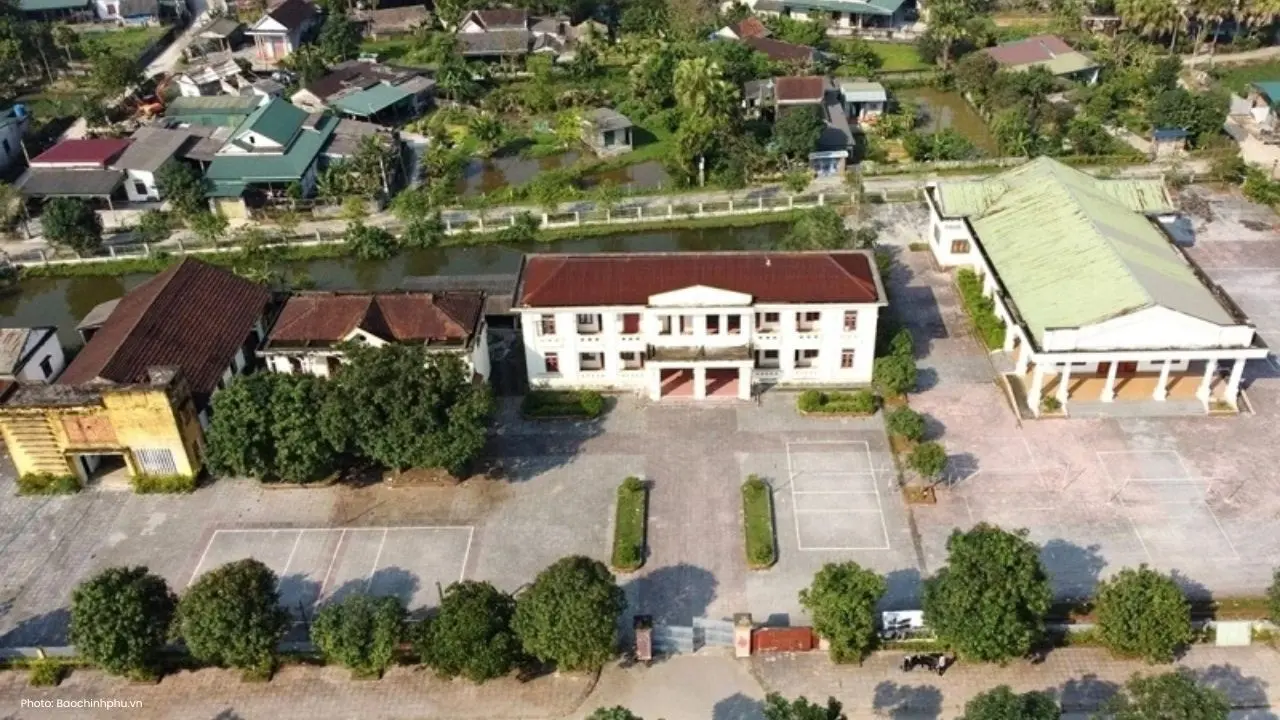
The Ministry of Finance in Vietnam is in the process of formulating a draft resolution aimed at establishing clear policies and mechanisms for effectively managing surplus houses and land nationwide. This initiative coincides with ongoing reforms in the country’s administrative framework, which has led to an increase in unused public properties.
This proposed resolution seeks to expedite the management and utilization of excess land and housing. Officials argue that these idle public assets should be put to productive use swiftly, promoting efficiency and fostering growth on both local and national fronts.
Included in the draft are specific strategies for the oversight of public housing and land that are no longer suited for residential needs. These properties could be assigned to local housing management authorities, who would then be charged with their appropriate utilization and development following legal guidelines.
The policy also aims to manage surplus assets resulting from the reconfiguration of administrative entities. In such scenarios, local governments can take over these properties for administration without the need for protracted approval processes, thereby streamlining decision-making.
In instances where land is designated for public use, such as parks or community facilities, existing structures may be removed, even if they are serviceable or within their depreciation phases. The focus is on ensuring effective land usage that benefits the community.
The draft further clarifies that when surplus land is allocated for offices or public services, necessary planning modifications will occur post-official decisions, facilitating the rapid launch of new projects without delays from revising plans.
In situations where land is leased or assigned to individuals or entities, those parties will be expected to settle the remaining value of any buildings and assets linked to that land, ensuring that the state recoups value while enabling productive asset use.
The policy also addresses circumstances where buildings occupy land owned by third parties. Should an owner wish to reclaim their assets, they can do so through a payment for the remaining value. Alternatively, if they opt not to retain the assets, the supervising authority may dismantle them and return the land.
Overall, this draft resolution is set to cultivate a more transparent and efficient framework for the management of surplus land and housing in Vietnam, aiming to minimize waste, enhance asset usage, and back economic and social growth as the nation progresses with its administrative reforms.