Vietnam’s Ministry of Education and Training is drafting a new legal framework to manage the use of open educational resources in higher education nationwide. Announced on May 8, 2026, the ministry is currently seeking public input on a new Circular aimed at facilitating digital transformation in higher learning and bolstering access to academic materials for students, educators, and researchers.
According to the ministry, open educational resources represent a vital element of contemporary digital higher education systems. Officials assert that creating a national framework for these resources will enhance teaching quality, foster lifelong learning, decrease educational costs, and promote equitable access to knowledge for learners throughout Vietnam.
This draft Circular is aligned with the Law on Higher Education 2025 and relevant government directives. It reflects the strategic goals set out in Decision 1117/QD-TTg from September 2023, which emphasized developing models for open educational resources in Vietnamese institutions. The new policy seeks to establish a cohesive legal framework for the management and dissemination of digital learning resources nationwide.
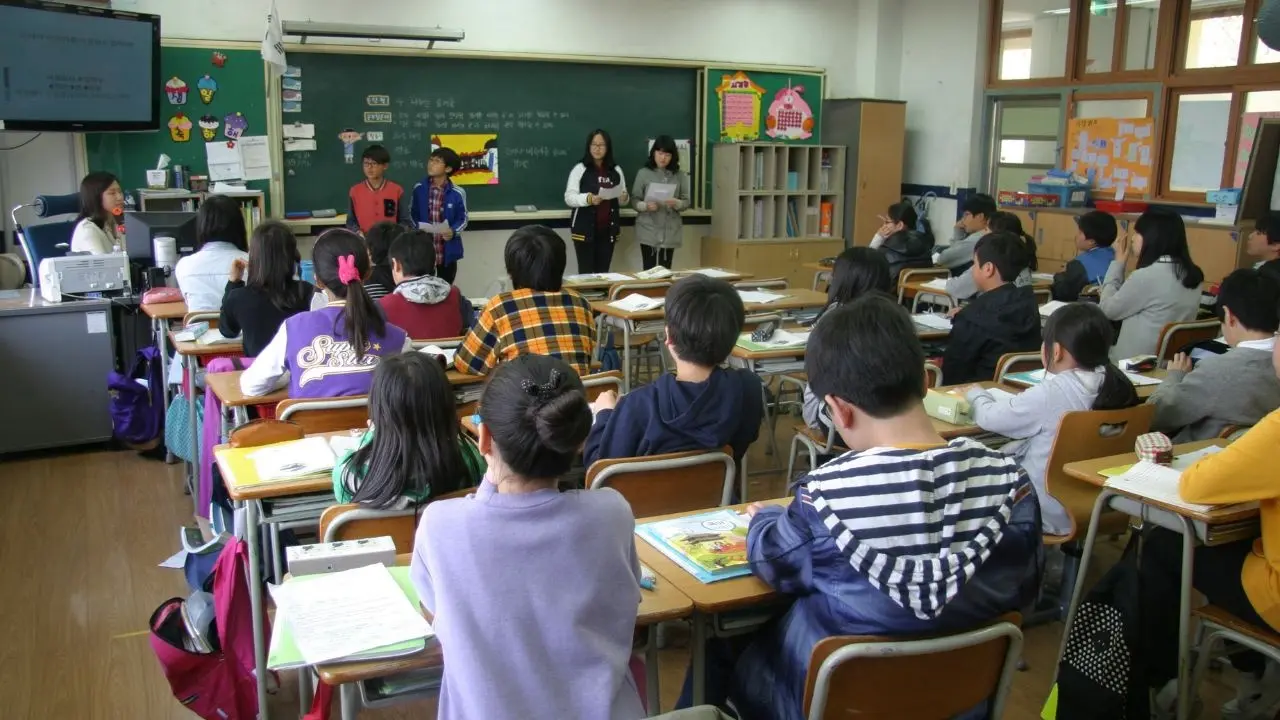
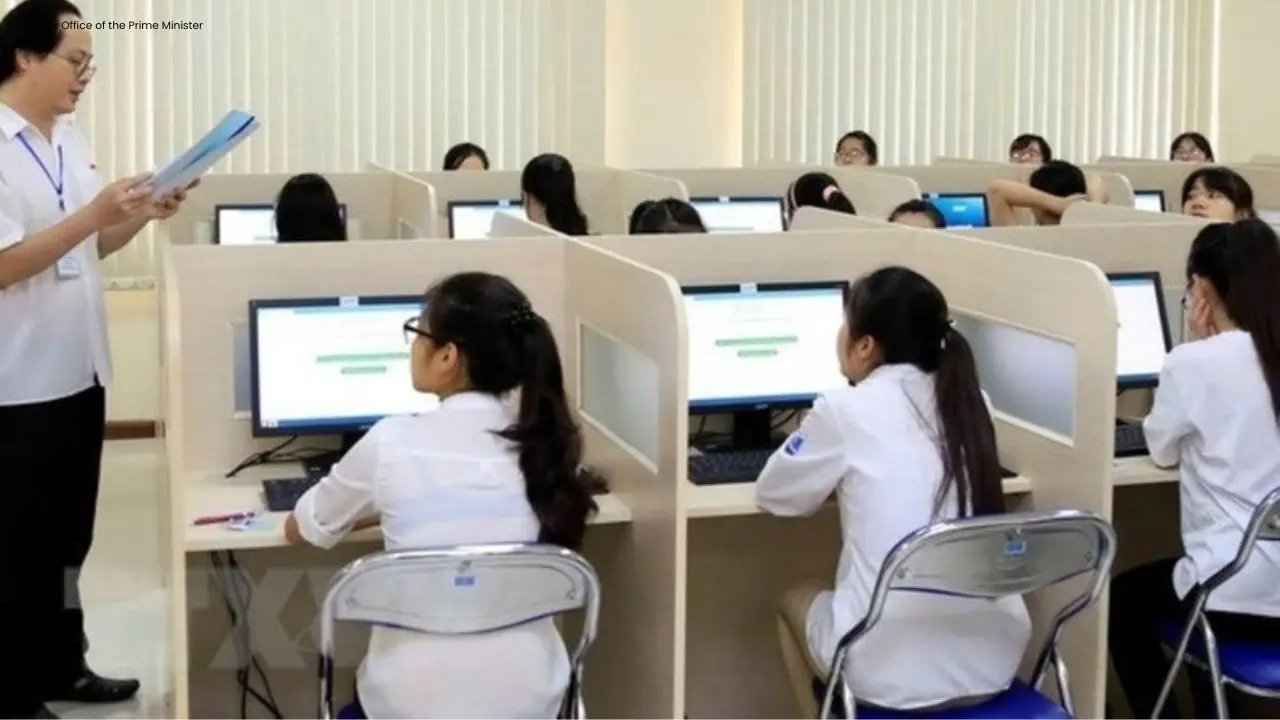
Currently, Vietnam’s digital education resource landscape is disjointed and lacks robust synergy among universities and training centers. Many higher education institutions still grapple with inadequate access to high-quality digital learning materials required for teaching, research, and online education. The government anticipates that open educational resources can bridge these gaps, fostering a connected and accessible educational ecosystem.
Under the proposed regulations, open educational resources encompass textbooks, lecture materials, online courses, multimedia tools, research data, open-source software, and various educational content available in digital or physical forms. These resources may either be in the public domain or copyrighted but offered under open licenses, permitting users to access, modify, combine, and redistribute the content under specified licensing terms.
One of the standout proposals in this draft is the establishment of a National Open Educational Resources Access Portal. This centralized digital platform aims to facilitate the connection and integration of shared learning resources across universities and educational institutions. The ministry believes this portal will enhance resource sharing and ease the search for academic materials, promoting collaboration among universities across the nation.
The draft also proposes rigorous quality standards for open educational resources, insisting that educational materials must comply with scientific, academic, and pedagogical criteria while adhering to intellectual property rights, information security, and personal data protection regulations. Educational institutions will be obliged to implement internal review processes to ensure thorough evaluations of materials before public dissemination.
Additionally, the regulations clarify the rights and responsibilities of individuals and organizations using open educational resources. Users will be entitled to access, share, edit, and employ educational materials under open license guidelines, though they must observe copyright regulations, accurately attribute sources, and refrain from employing educational content for unlawful purposes or in ways that distort academic integrity.
The Ministry of Education and Training has underscored that open educational resources will play a crucial role in shaping the future of Vietnam’s digital education landscape. Universities are encouraged to bolster their IT infrastructure, equip faculty and students with skills to navigate digital platforms, and collaborate with businesses and international entities to broaden access to global knowledge resources. Officials believe these regulations will enhance the caliber of Vietnamese higher education while supporting innovation, international collaboration, and sustained digital advancement in the educational sector.