The United States and Iran are moving closer to a temporary agreement aimed at stopping the ongoing war and reducing tensions in the Strait of Hormuz, according to sources and officials familiar with the talks.
The proposed agreement is expected to be a short-term memorandum instead of a full peace deal. Major disagreements between both countries still remain unresolved, especially over Iran’s nuclear programme and regional security concerns.
According to reports, the draft framework focuses mainly on ending military conflict for now and creating space for further negotiations in the coming weeks.
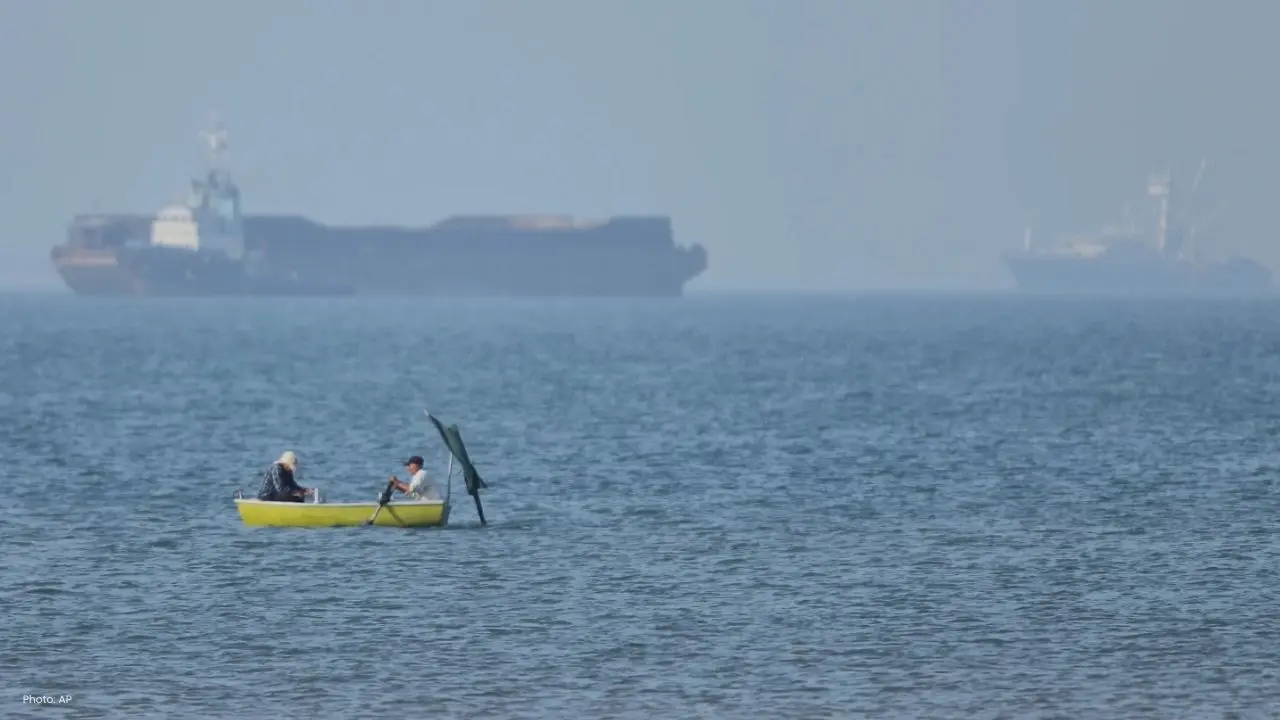
Sources involved in the mediation process said the plan could be implemented in three stages. The first stage would formally end the war. The second stage would focus on easing the crisis in the Strait of Hormuz, one of the world’s most important oil shipping routes. The final stage would open a 30-day negotiation period for both sides to work on a broader and more permanent agreement.
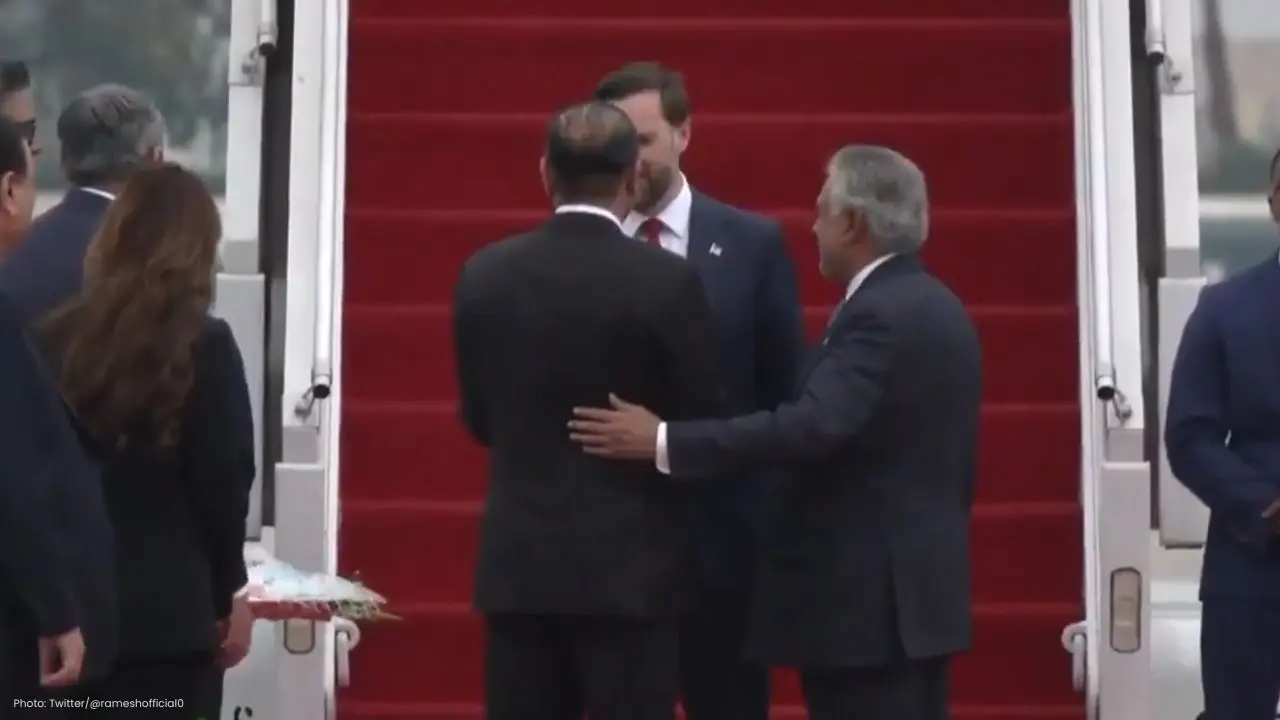
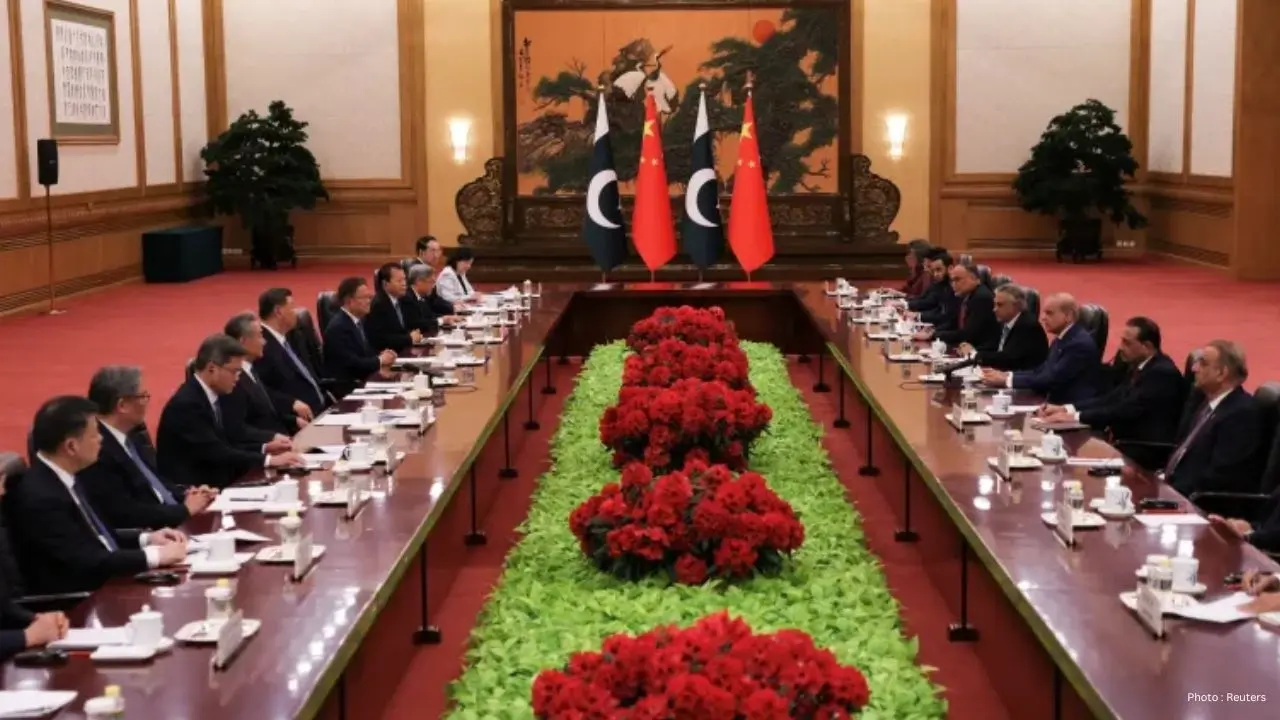
A senior Pakistani official involved in mediation efforts said the immediate priority is to secure a permanent end to the fighting before discussing other complicated issues.
US President Donald Trump expressed optimism about the talks during a media interaction at the White House. He said both sides are interested in reaching an agreement and suggested that the conflict could end soon if negotiations continue positively.
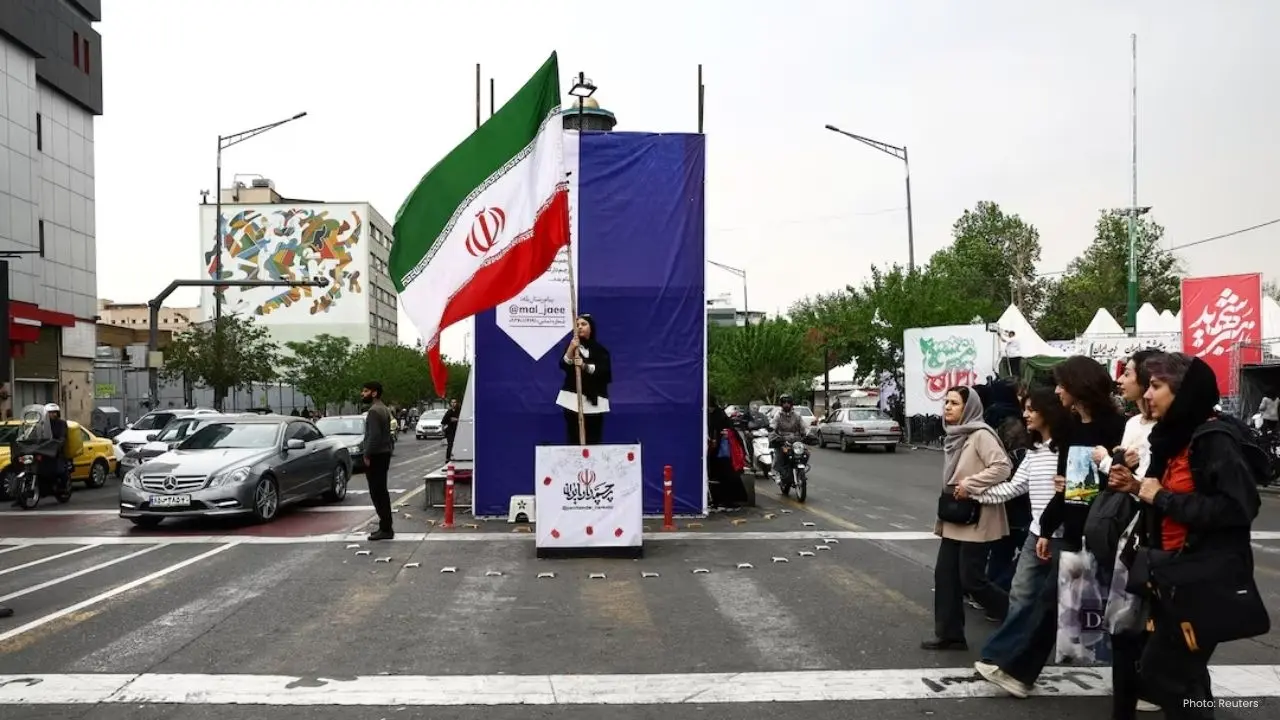
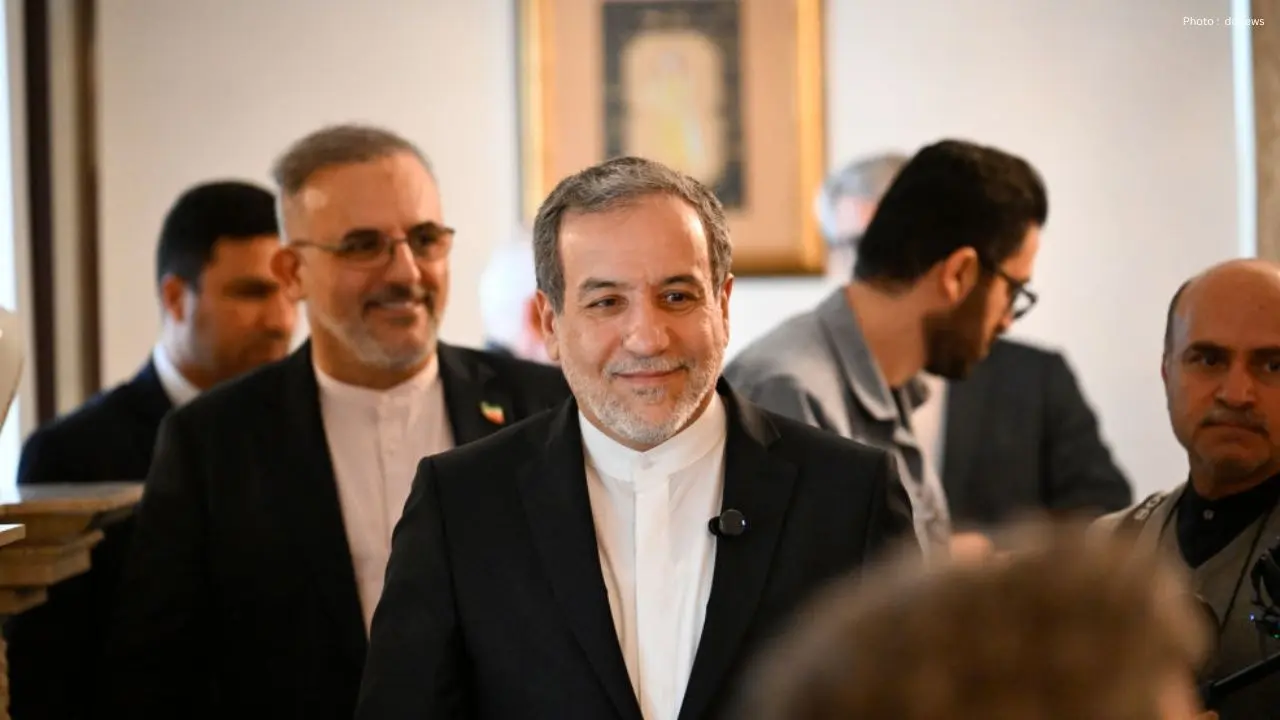
However, Iranian officials appeared more cautious. Iran’s foreign ministry said it would respond officially at the appropriate time. Iranian lawmaker Ebrahim Rezaei described the current proposal as “more of an American wish-list than reality.”
Iran’s parliament speaker Mohammad Baqer Qalibaf also criticised reports claiming that both countries were close to a breakthrough. In a social media post, he mocked the negotiations and accused the United States of spreading false optimism after failing to reopen the Strait of Hormuz.
The possibility of a temporary deal has already affected global markets. Oil prices dropped sharply after reports of progress in the negotiations, as traders expected a reduction in supply disruptions. Brent crude prices briefly fell nearly 11 percent before stabilising around $99 per barrel.
Global stock markets also reacted positively, with investors hoping that reduced tensions in the Middle East could improve stability in energy supplies and international trade.
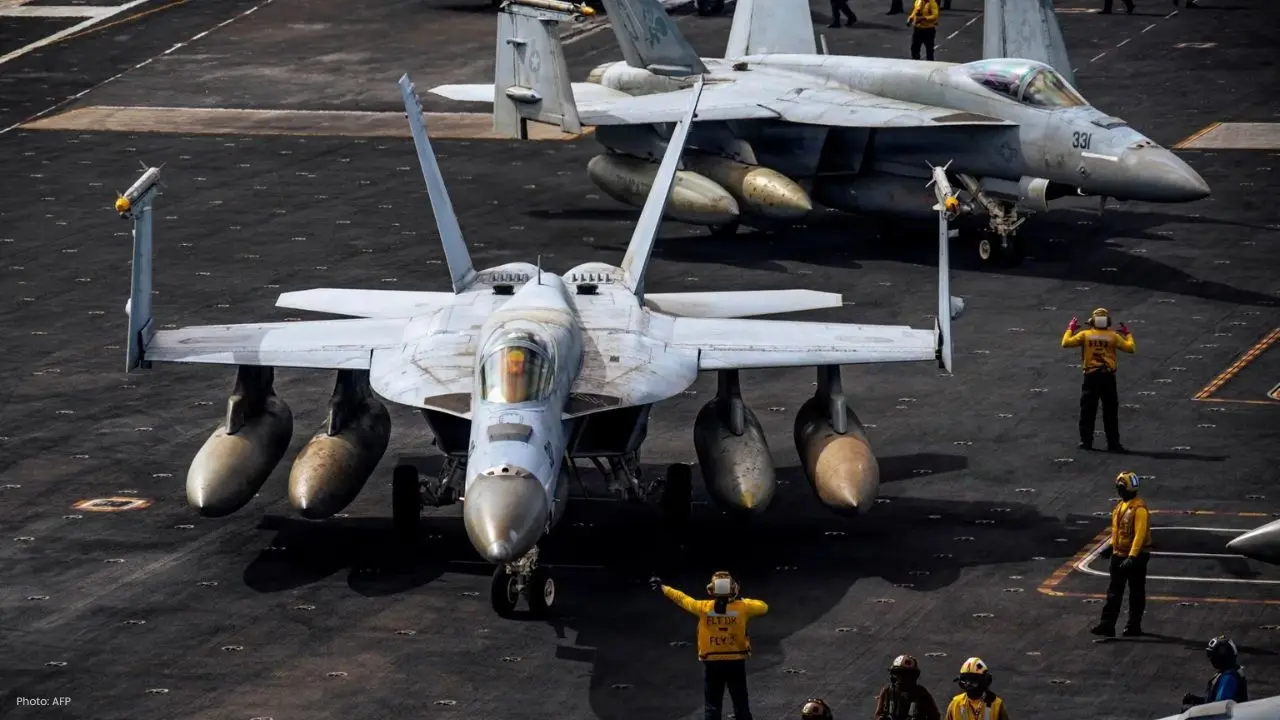
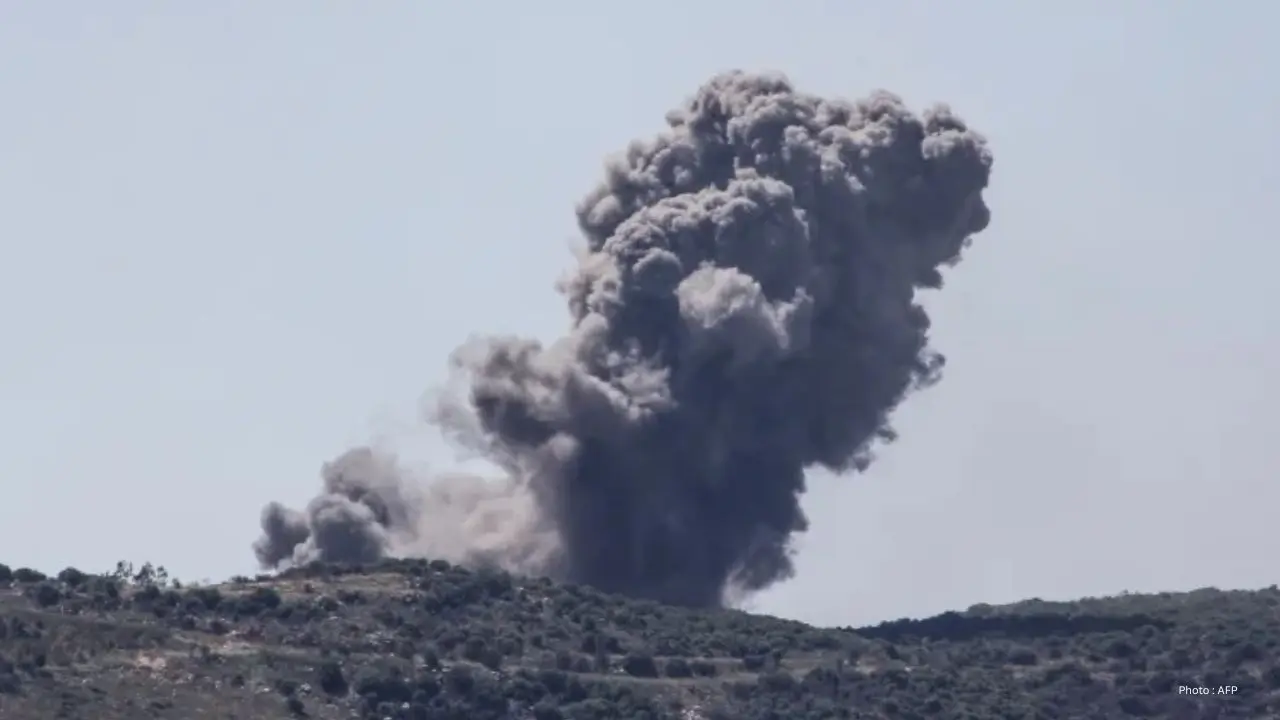
Meanwhile, military tensions in the region remain high. President Trump recently paused a naval operation aimed at reopening the Strait of Hormuz, citing progress in diplomatic talks. At the same time, US forces continue operations in the region, and reports said an Iranian-flagged tanker was disabled after allegedly violating the blockade.
Despite progress in discussions, several key issues remain outside the proposed memorandum. Sources said the current draft does not include restrictions on Iran’s missile programme or Tehran’s support for proxy groups in the Middle East.
The proposal also reportedly avoids addressing Iran’s stockpile of highly enriched uranium, which remains one of Washington’s biggest concerns in the nuclear dispute.
If both countries agree to the temporary framework, negotiations for a wider and more detailed peace agreement are expected to begin within 30 days.