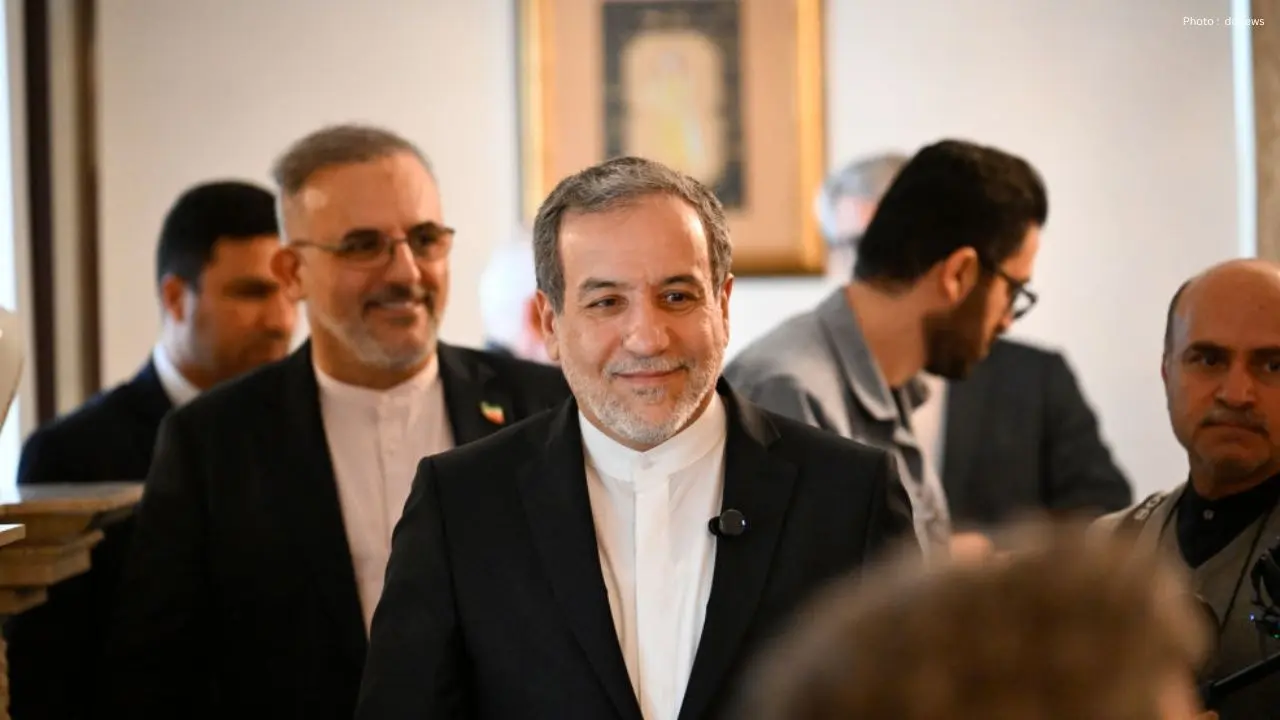
The United States has warned that Iran must reach a strong agreement with Washington or face “another way” of dealing with the conflict, as negotiations between the two countries continue over nuclear issues and regional tensions.
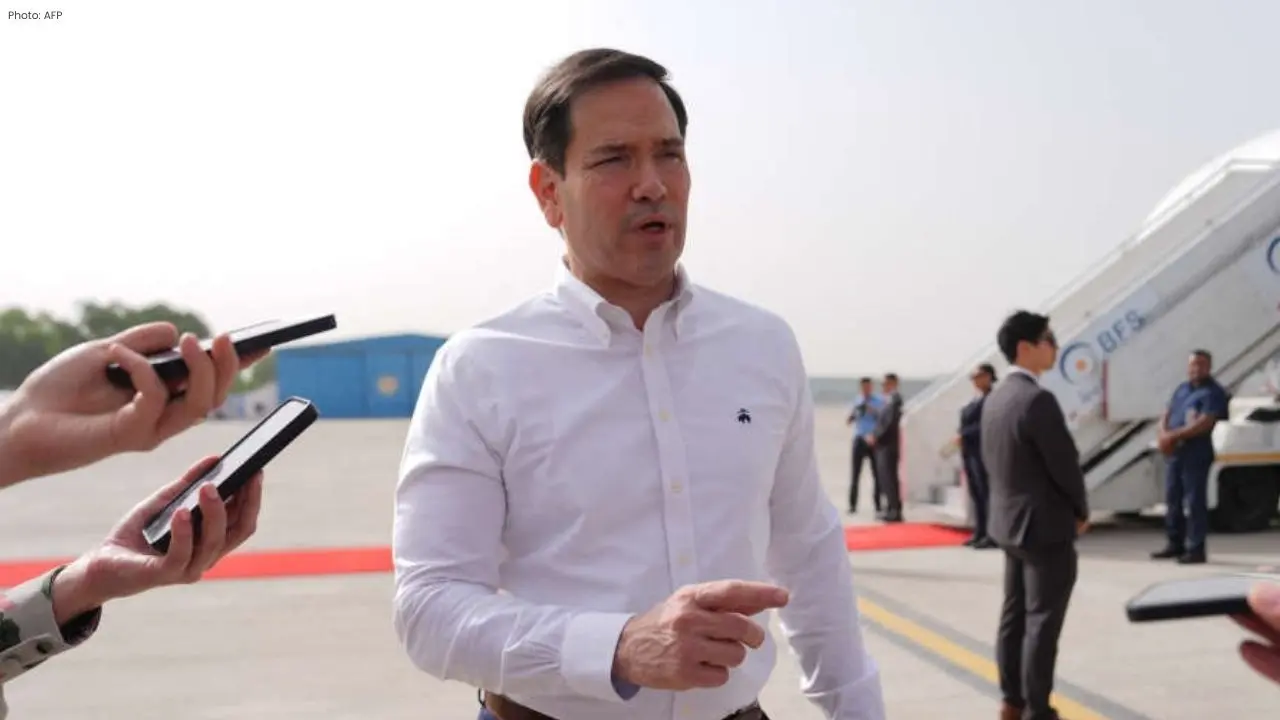
US Secretary of State Marco Rubio said on Monday that the US would continue giving diplomacy a chance before considering other options. Speaking in New Delhi, Rubio said both sides were discussing a possible agreement related to Iran’s nuclear program and the reopening of the Strait of Hormuz.
Rubio stated that there was a “solid proposal” on the table that could allow Iran to reopen the Strait of Hormuz and enter a serious, time-limited negotiation process on nuclear matters. He added that the US hopes a final agreement can still be achieved.
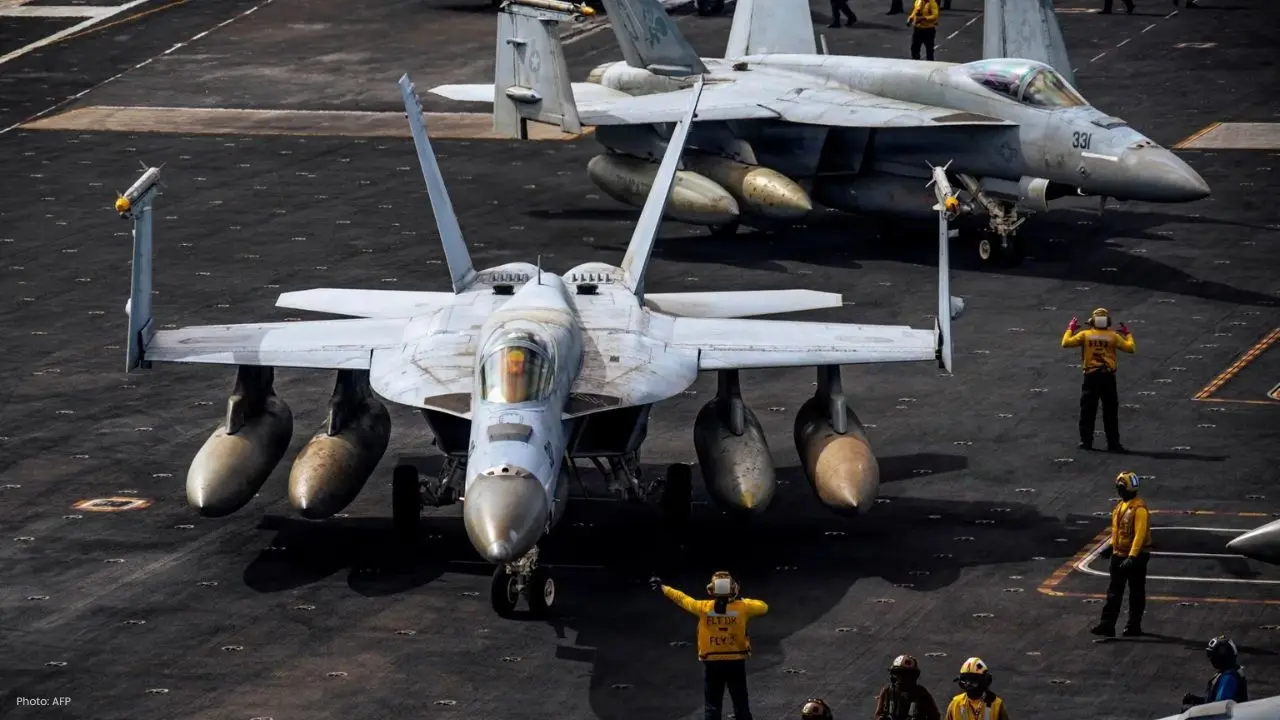
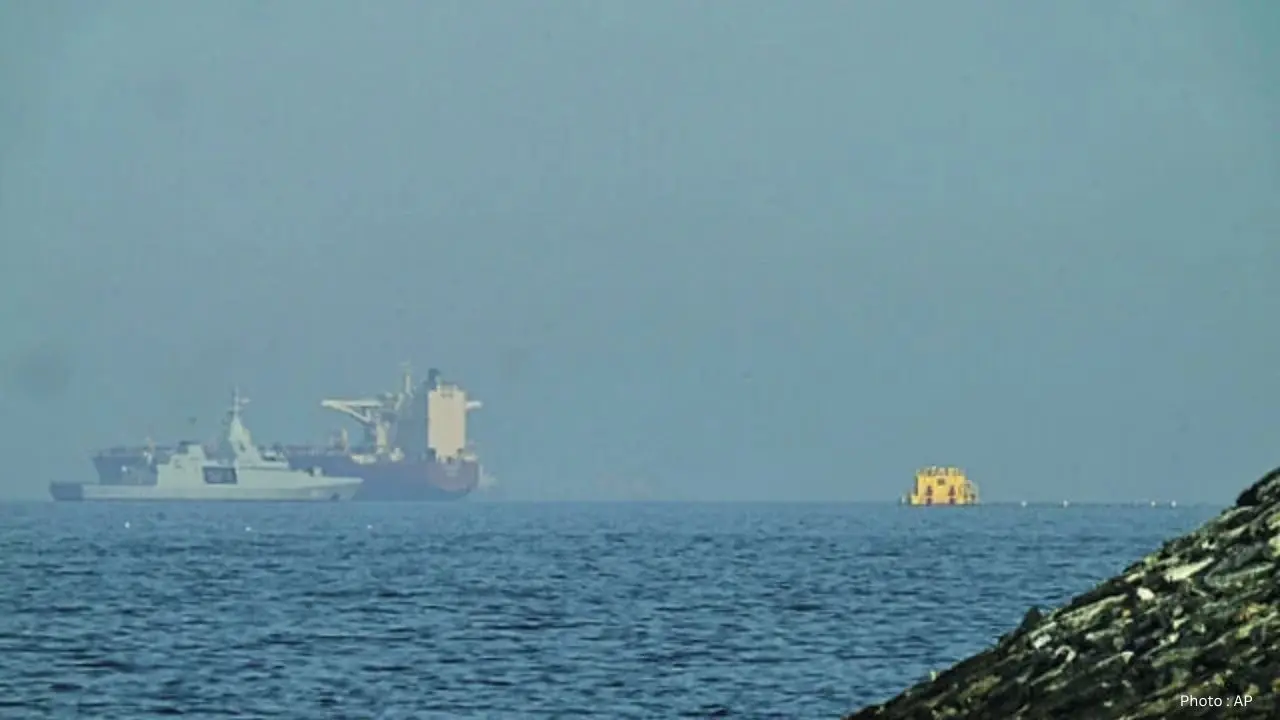
US President Donald Trump had earlier said that American officials should not rush the negotiations. In a post on Truth Social, Trump said the US blockade on Iranian ships in the Strait of Hormuz would remain active until a formal agreement is fully signed and certified.
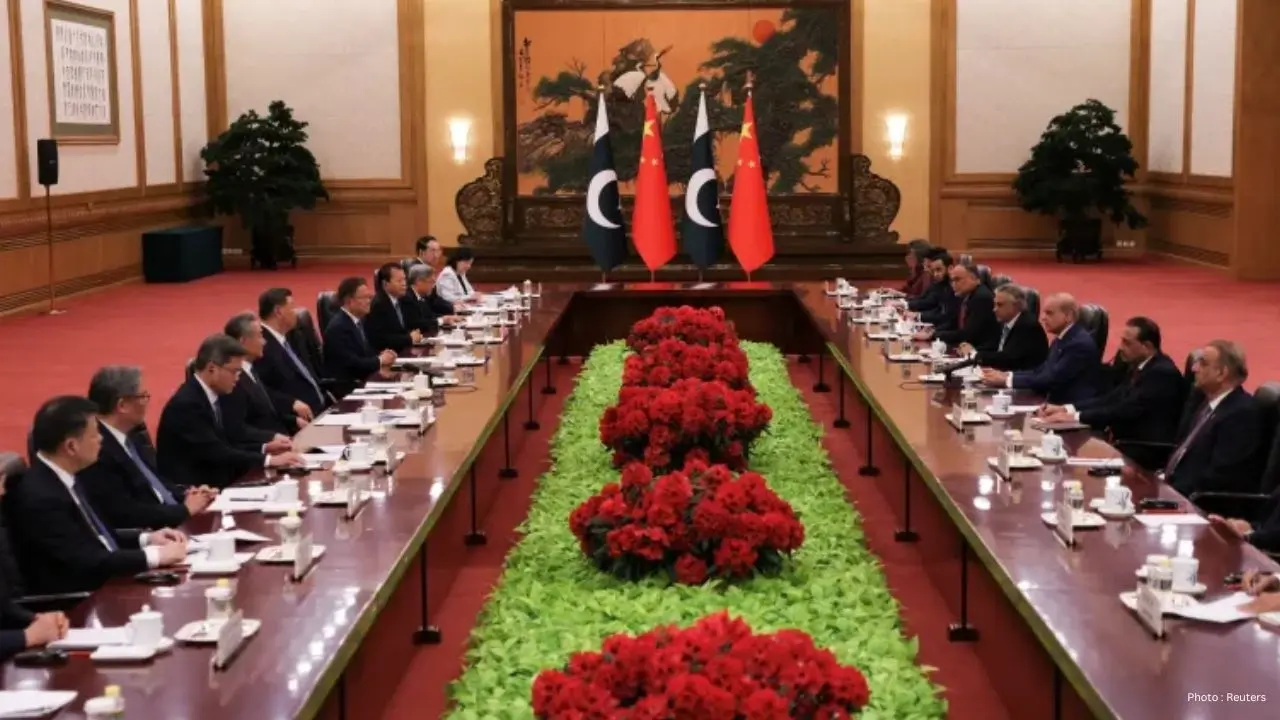
Iran has not officially responded to the latest American statements. However, Iran-linked Tasnim news agency reported that major disagreements still remain, especially regarding Tehran’s demand for the release of frozen Iranian funds held abroad.
Global oil prices dropped nearly 6 percent on Monday after hopes increased that Washington and Tehran may move closer to a peace agreement. Earlier, Trump claimed that both countries had “largely negotiated” a memorandum of understanding that could help reopen the Strait of Hormuz, one of the world’s most important oil shipping routes.
Before the conflict, the Strait of Hormuz carried nearly 20 percent of global oil and liquefied natural gas shipments, making it critical for international energy markets.
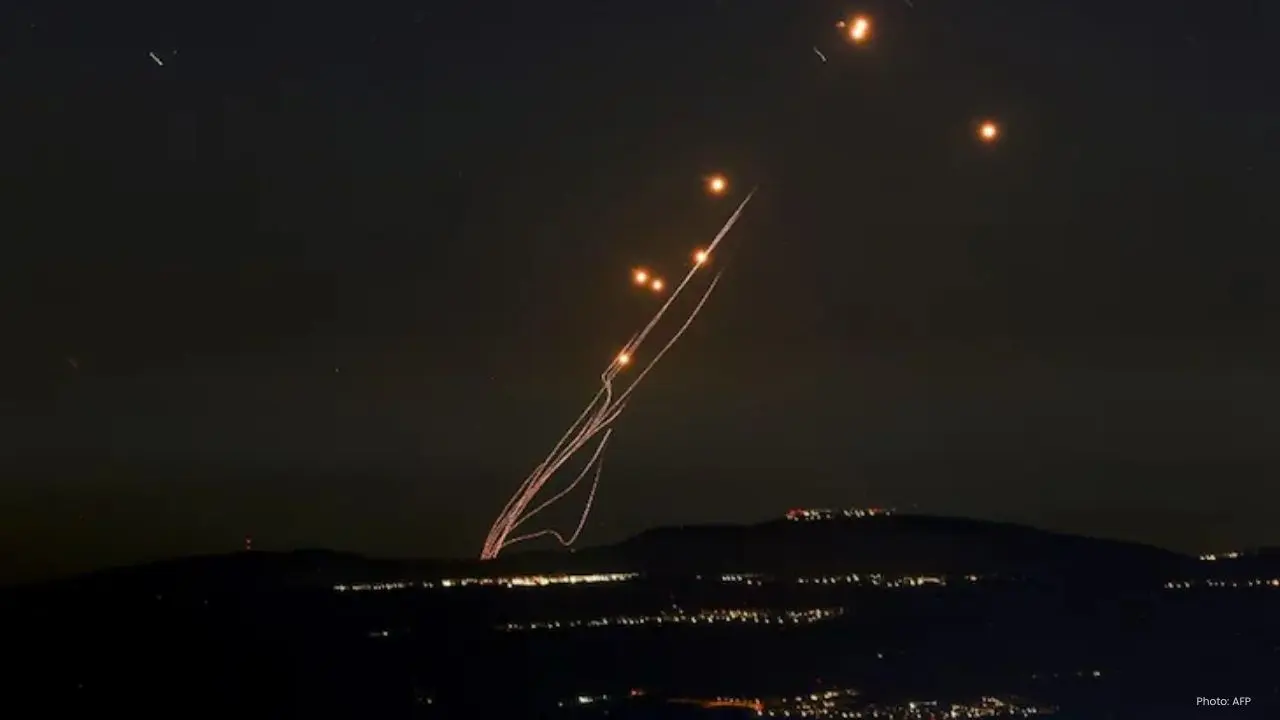
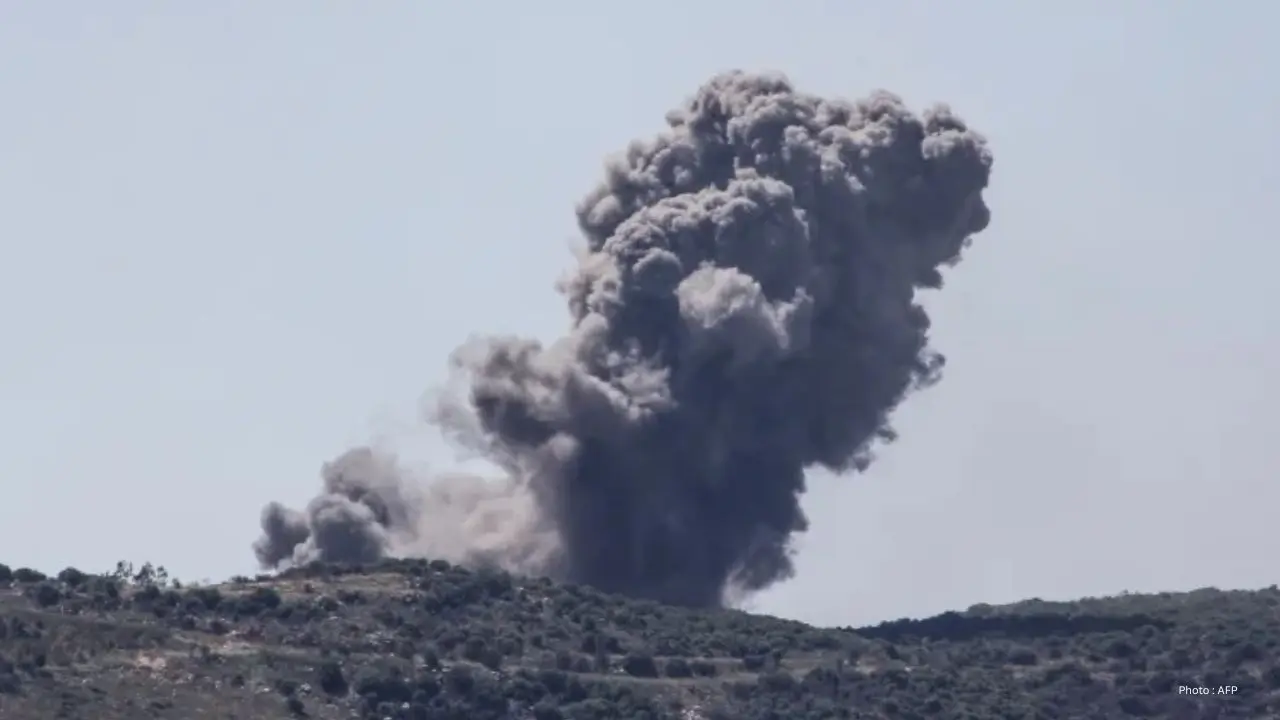
Despite progress, several key issues are still unresolved. These include Iran’s nuclear enrichment activities, sanctions relief, the release of frozen Iranian oil revenues, and tensions involving Israel and Hezbollah in Lebanon.
According to a senior US administration official, Iran has agreed “in principle” to reopen the Strait of Hormuz in exchange for the lifting of the US naval blockade. The official also claimed that Iran was open to disposing of its highly enriched uranium stockpile.
The official added that Iran’s Supreme Leader, Mojtaba Khamenei, had reportedly approved the broad structure of the proposed deal. However, Iranian authorities have not confirmed this claim.
US officials said the first step would involve reopening the strait and ending the blockade, while detailed negotiations on nuclear measures would continue later. Another senior US official said the proposed framework would give negotiators 60 days to finalize a complete agreement.
Iran has repeatedly denied allegations from the US and Israel that it is developing nuclear weapons. Tehran maintains that its uranium enrichment program is only for peaceful civilian purposes.
The conflict between the US, Israel, and Iran has heavily affected global energy markets and increased concerns over fuel, food, and fertilizer prices worldwide. A fragile ceasefire has remained in place since early April, although tensions across the region continue to remain high.