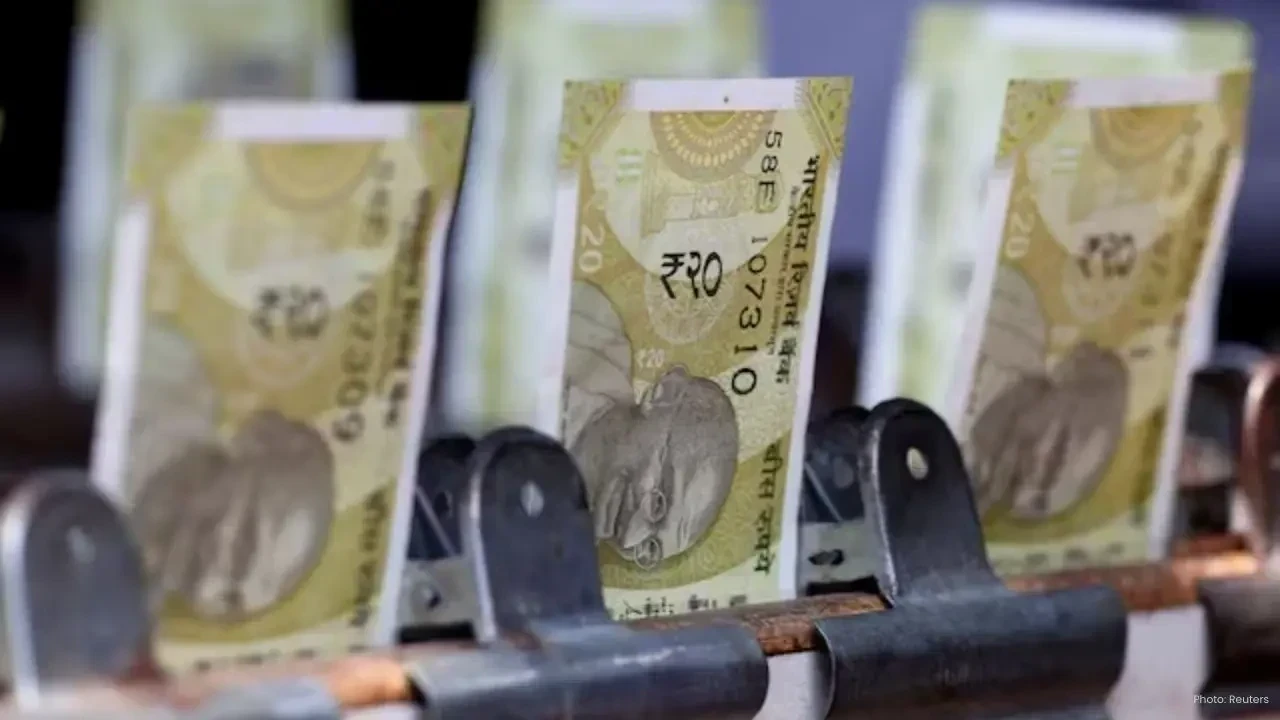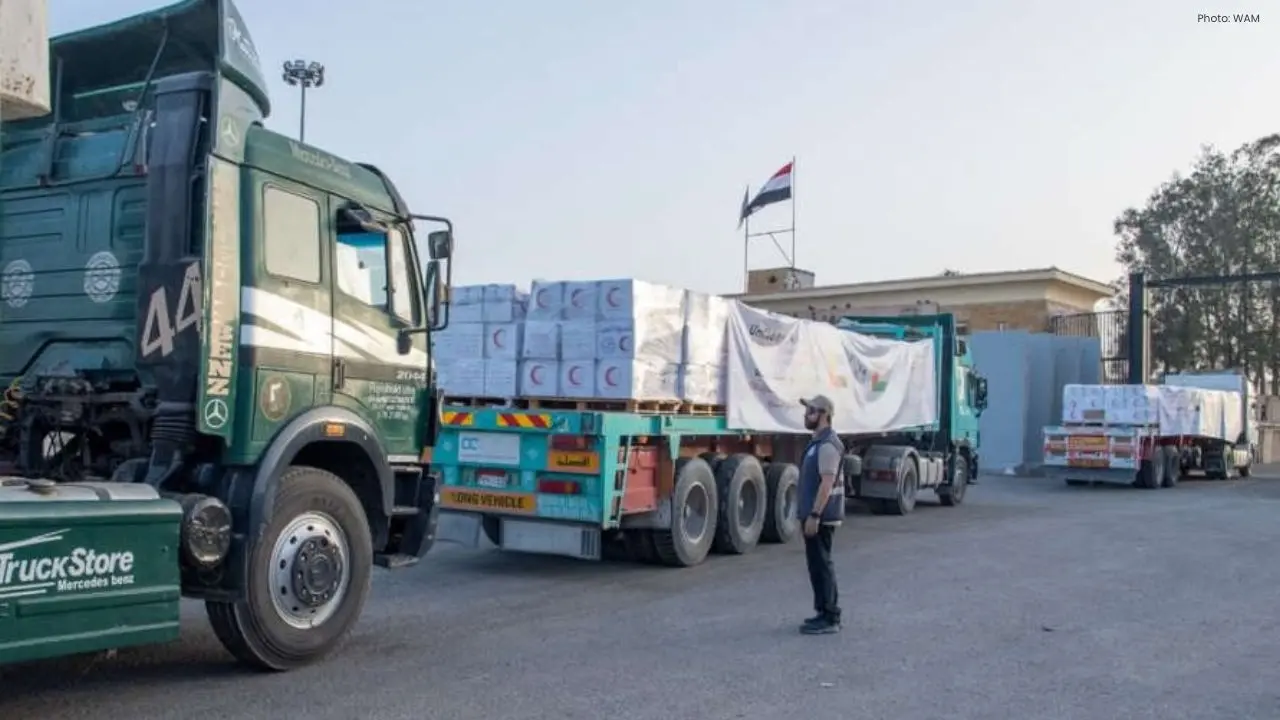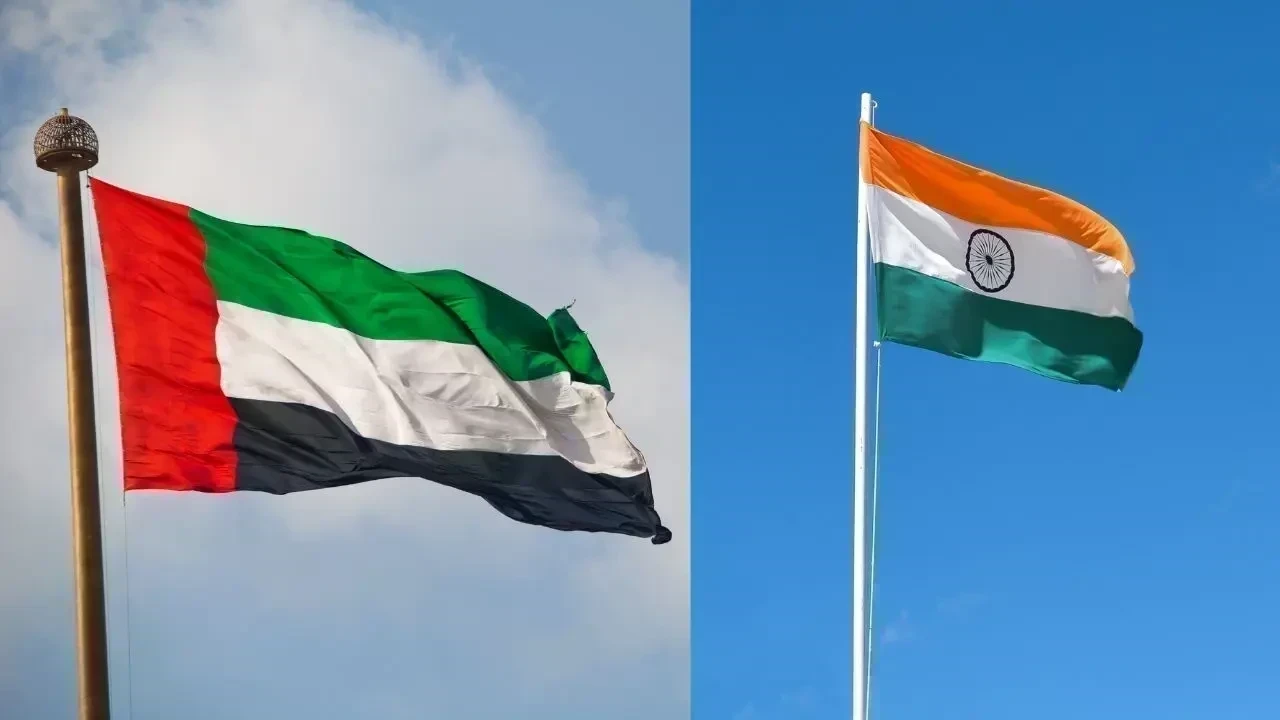
India and the United Arab Emirates (UAE) are taking significant steps to strengthen their economic partnership, with both nations reviewing and advancing multiple aspects of the India-UAE Comprehensive Economic Partnership Agreement (CEPA). The talks come amid a rapid surge in bilateral trade, which crossed the $100 billion mark in 2024-25, marking a 19.6% increase over the previous year.
During the latest Joint Committee meeting under CEPA, key issues such as market access, data sharing, gold import quota allocation, anti-dumping measures, and trade in services were discussed in depth. India highlighted its new transparent process for allocating Gold TRQ (Tariff Rate Quota) through competitive bidding, a move aimed at ensuring fairer distribution of resources and enhancing trade efficiency.
The discussions also focused on improving regulatory cooperation in pharmaceuticals, addressing challenges related to Certificates of Origin, and expediting a memorandum of understanding on Food Safety and Technical Requirements between India’s APEDA and the UAE Ministry of Climate Change and Environment. These steps are expected to facilitate smoother trade flows and strengthen compliance with international standards.
Both countries reaffirmed their commitment to boosting non-oil and non-precious metal trade, targeting $100 billion in such trade by 2030. Analysts note that these talks reflect a broader push to diversify economic ties, reduce trade barriers, and encourage investment in sectors beyond energy and commodities.
With CEPA serving as a framework for deeper economic engagement, India and the UAE are now better positioned to leverage each other’s strengths, from India’s growing manufacturing and services sectors to the UAE’s strategic trade hub role in the Gulf region.