The International Monetary Fund (IMF) is preparing to announce a change in how it classifies India’s exchange rate regime, signaling a possible shift to a “crawling peg” system, according to sources familiar with the matter. This comes two years after the IMF raised concerns over the Reserve Bank of India’s (RBI) heavy market interventions.
A crawling peg involves gradual adjustments in a country’s currency to account for inflation differences with trading partners. Experts say the reclassification reflects evolving policy dynamics in India, where the rupee has faced heightened fluctuations in recent months.
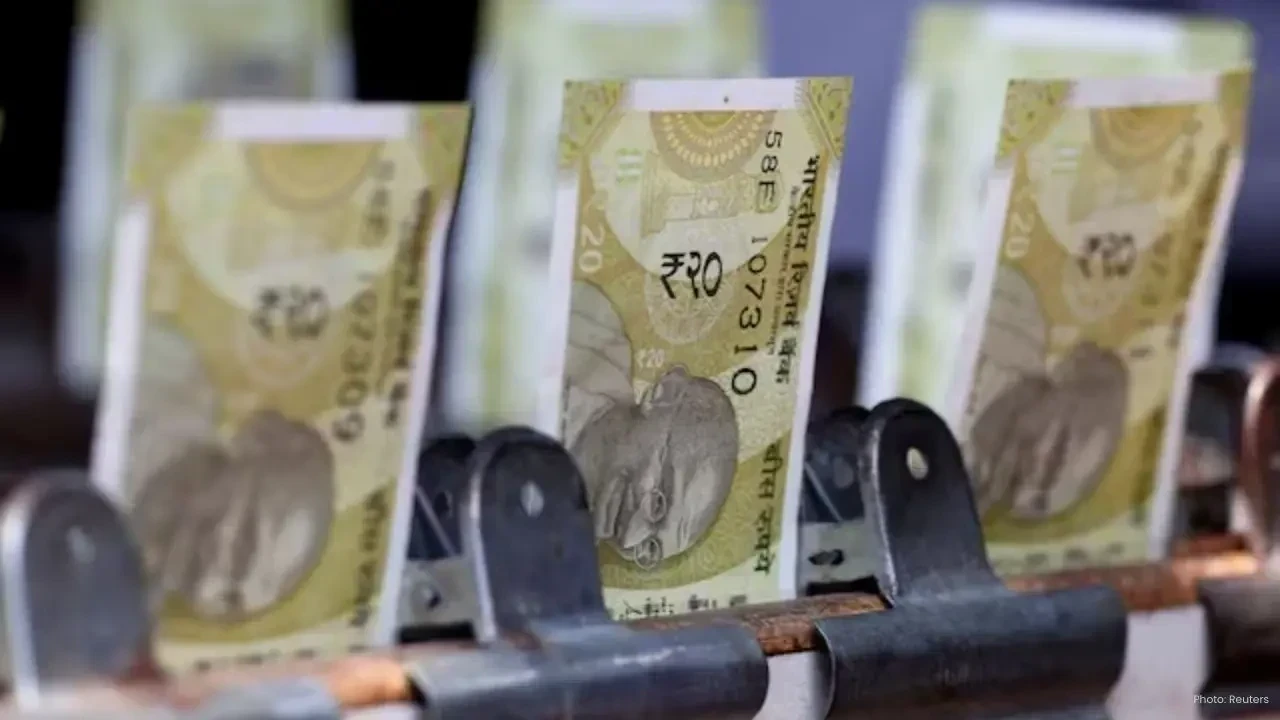
The rupee plunged to a record low last Friday after the RBI slightly eased its defensive stance in the market, only to rebound the following Monday when intervention resumed. This year alone, the rupee has lost about 4% against the US dollar, making it the most depreciated Asian currency. Rising US tariffs on Indian exports and market speculation have added to the currency’s swings.
Under Governor Sanjay Malhotra, who assumed office in December last year, the RBI has allowed more “two-way flexibility” in the exchange rate. Despite this, the central bank has occasionally sold dollars in large volumes, pushing the rupee higher, leveraging its massive foreign-exchange reserves, now near $700 billion.
Previously, in 2023, the IMF had reclassified India’s exchange rate system from a “floating” arrangement to a “stabilized” one, citing significant intervention. The label was retained in 2024, noting that the rupee had depreciated moderately, and additional observations were needed.
Indian authorities, however, have consistently emphasized that RBI interventions aim to curb excessive volatility rather than control the currency, highlighting a cautious approach toward market stability.
The IMF’s updated classification is expected to be published alongside India’s 2025 Article IV staff report this week, shedding light on the currency’s evolving dynamics and the central bank’s calibrated approach to market interventions.