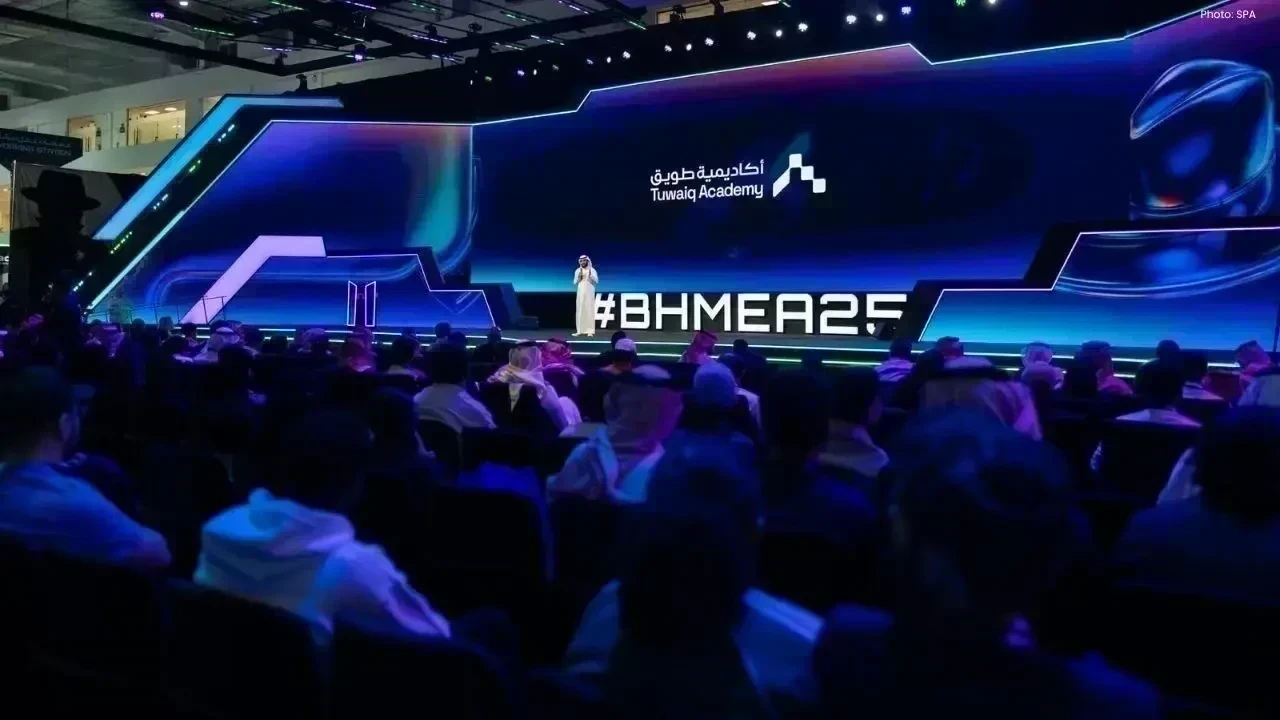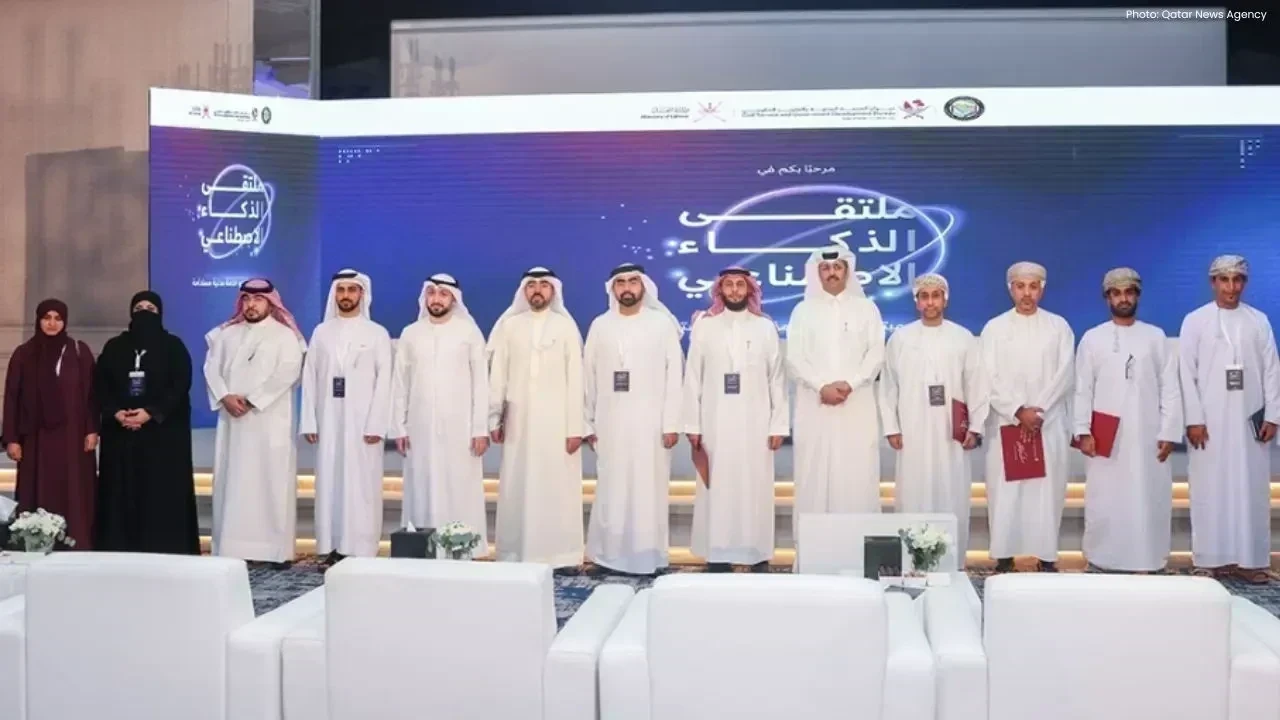
The Civil Service and Government Development Bureau (CGB) proudly wrapped up the inaugural Gulf Forum on Artificial Intelligence in Civil Service this past Thursday. The forum provided a platform to explore innovative strategies aimed at boosting efficiency and effectiveness within the civil service of Gulf nations. This event was organized in collaboration with the Sultanate of Oman as part of ongoing efforts from the Technical Committee for Civil Service and Human Resources Affairs under the Gulf Cooperation Council (GCC).
Attending the forum was CGB’s Director General, Saif bin Ali Al Kaabi, along with key figures from various ministries and civil service bodies across the emirates. Additionally, the event gathered specialists and staff from human resources and information systems sectors, creating an opportunity for the exchange of insights and success stories around digital transformation.
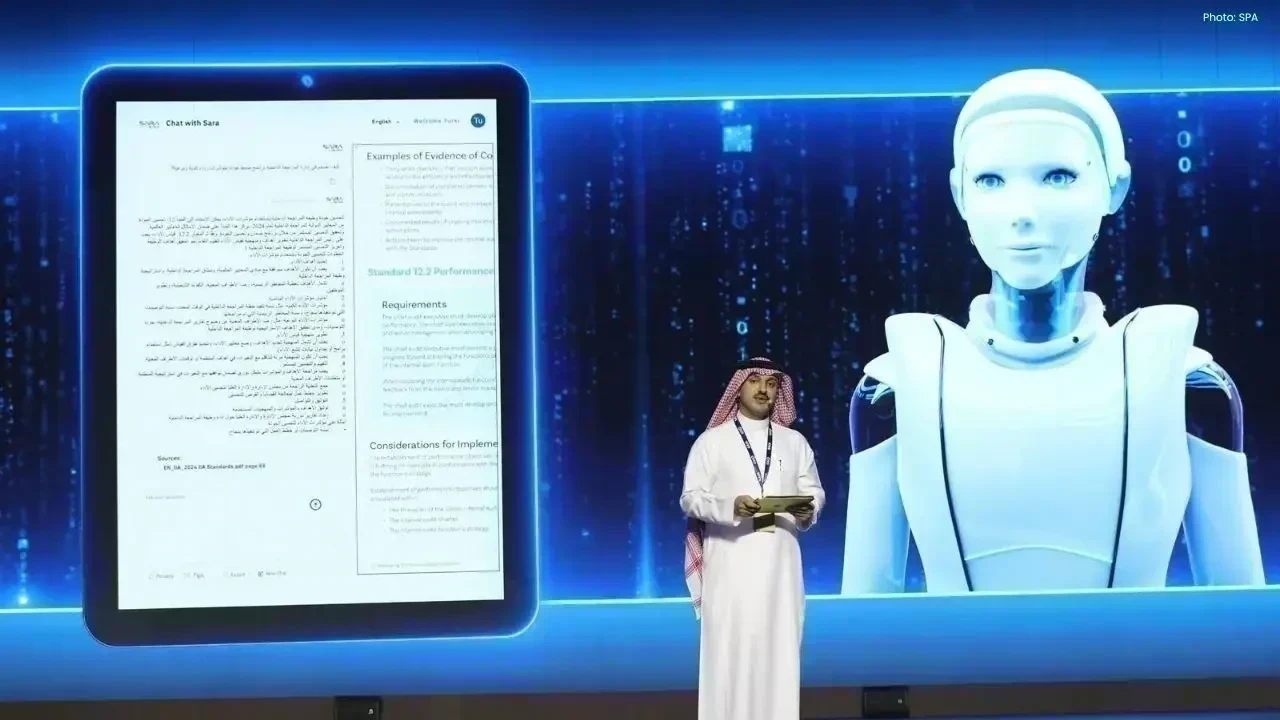
The central theme of the forum was demonstrating how AI technologies can enhance governmental operations. Key discussions revolved around increasing the adaptability of administrative systems, boosting service quality, and paving the way for smart institutional transfiguration in civil service frameworks. Attendees were presented with practical examples of AI applications concerning workflow management, employee evaluation, recruitment processes, and citizen service delivery.
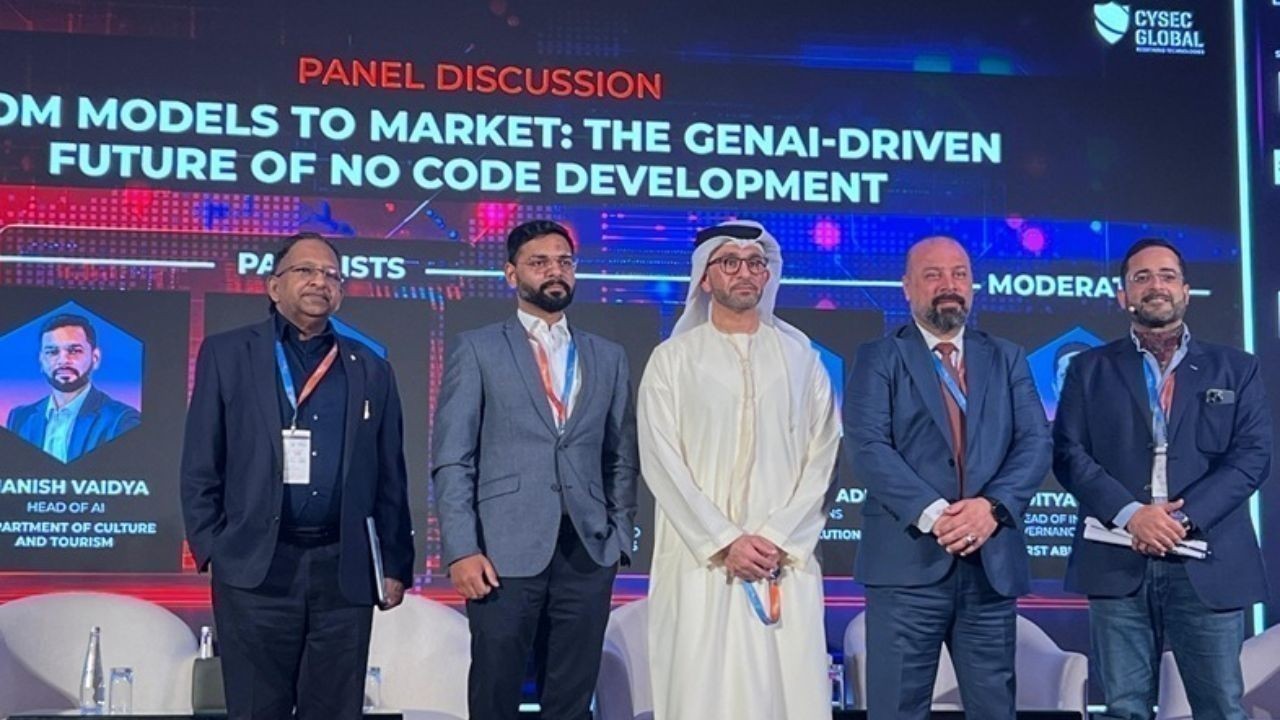
Throughout the event, various Gulf entities shared their milestones and experiences in implementing digital innovations in civil service. These showcases highlighted how modern technologies can minimalize manual tasks, optimize operations, and foster a government that is more responsive to public needs. A panel discussion delved into AI's potential to redefine civil service, specifically addressing challenges in human resource management and institutional operation.
The discussions culminated in several recommendations for GCC nations. A significant suggestion was amplifying digital integration across the region, aimed at sharing successful practices and models of AI application. Another crucial recommendation was to cultivate a Gulf network for knowledge and expertise exchange in AI, enhancing public institutions' capacity in adopting innovative systems.
Moreover, the forum called for establishing partnerships among GCC institutions to advance innovation in governmental services and facilitate a transition toward intelligent, adaptable administrative structures. Participants recognized that cooperation, shared experiences, and advanced technology adoption would propel Gulf countries towards a more sustainable and modern civil service framework.
In summary, the First Gulf Forum on Artificial Intelligence in Civil Service represented a pivotal move towards digital advancement in government sectors throughout the GCC. By spotlighting real-world applications, fostering knowledge sharing, and proposing actionable recommendations, the forum laid the groundwork for a more intelligent and efficient civil service within the region.
This gathering signifies the GCC’s unwavering dedication to utilizing cutting-edge technologies to elevate governance, improve service delivery, and enhance institutional effectiveness. The successful conclusion of the forum demonstrates that AI can significantly influence the future of public administration, ensuring that governance remains agile, responsive, and attuned to the citizenry.