Why Living in Dubai Feels More Expensive Than Before
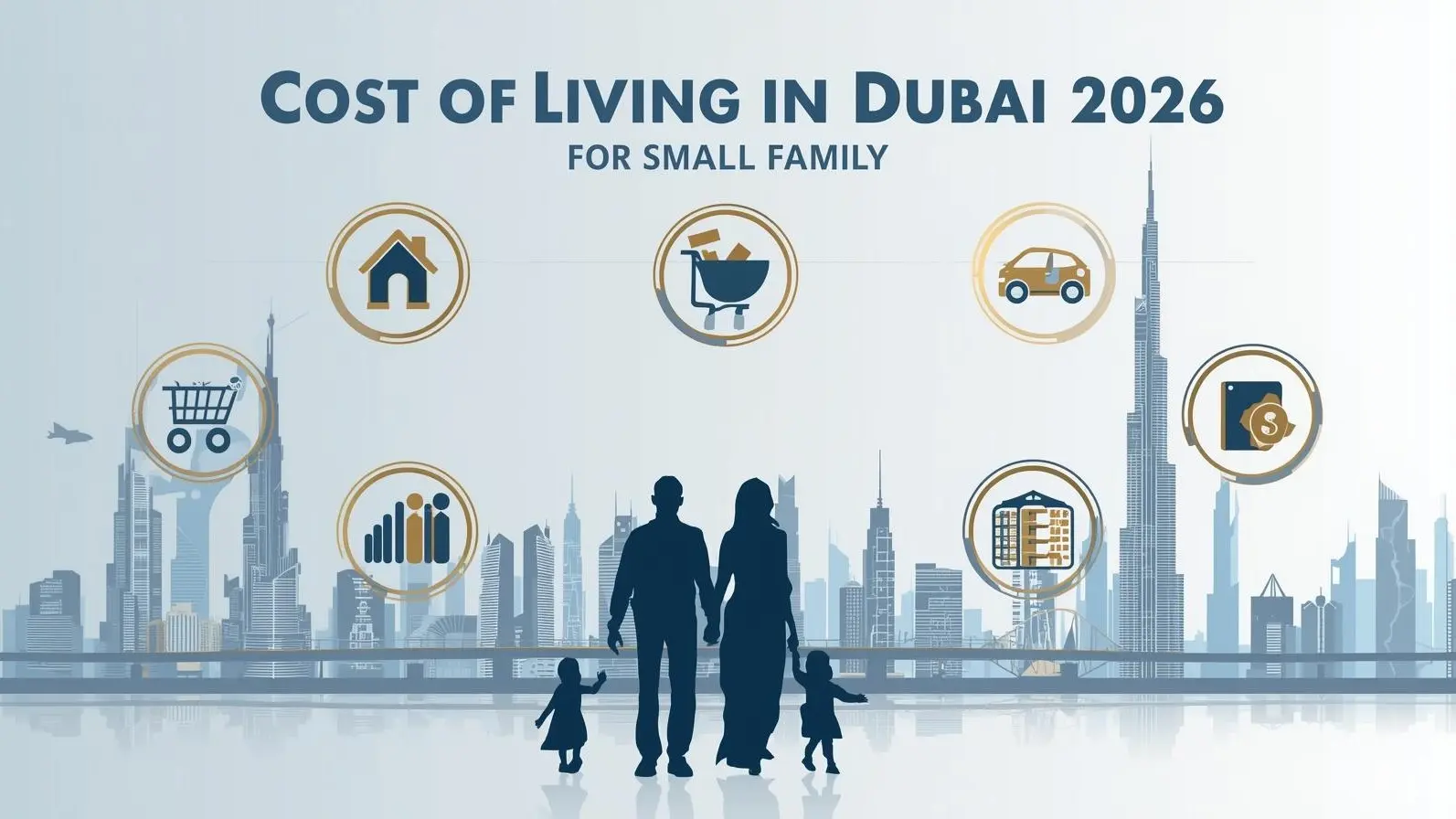
Dubai has long been known as a city of opportunity, luxury, and tax-friendly income. For years, many residents believed that although Dubai looked expensive, daily life could still be managed with smart choices. However, in recent times, a growing number of residents—professionals, families, and even high earners—share the same feeling: living in Dubai has become noticeably more expensive than before.
This feeling is not imaginary. It is driven by structural economic changes, lifestyle shifts, global pressures, and local market dynamics. While Dubai remains attractive, the cost of maintaining the same lifestyle has increased across housing, education, healthcare, transport, food, and even social life.
This article breaks down why Dubai feels more expensive today, explains each factor in detail, and helps you understand what has actually changed beneath the surface.
The Impact of Rapid Population Growth
One of the biggest drivers of rising costs in Dubai is population growth.
Dubai has experienced a strong influx of new residents over the past few years. Professionals relocating for jobs, entrepreneurs setting up businesses, investors seeking stability, and digital nomads choosing Dubai as a base have all increased demand.
How population growth increases costs
-
Higher demand for housing pushes rents upward
-
Schools, clinics, and transport systems become more crowded
-
Premium services become the norm rather than the exception
-
Competition for quality housing increases prices even in non-prime areas
When demand rises faster than supply, prices naturally adjust upward, and residents feel the pressure immediately.
Rising Rental Prices and Housing Costs
Housing is the single biggest reason most people feel Dubai has become expensive.
Rental market pressure
Over the last few years, rental prices in many areas have increased sharply. Apartments that were once considered affordable have moved into higher price brackets.
This is due to:
-
Increased demand from new residents
-
Limited availability of ready-to-move units
-
Preference for newer buildings with amenities
-
Strong short-term rental demand
Even residents who have lived in the same area for years are facing renewal hikes that force lifestyle compromises or relocation.
Hidden housing expenses
Beyond rent, residents now face:
-
Higher service charges
-
Increased maintenance costs
-
Ejari and administrative fees
-
Rising utility bills
The total cost of housing today is far higher than rent alone suggests.
Education Costs Are Rising Faster Than Salaries
For families, schooling is one of the most painful cost increases.
Dubai offers world-class education, but this quality comes at a price.
Why school fees keep increasing
-
International curriculum licensing costs
-
Rising teacher salaries
-
Facility upgrades and expansions
-
Higher operational and compliance costs
Annual school fee increases, combined with additional charges for uniforms, transport, activities, and technology, make education one of the fastest-growing expenses.
For families with multiple children, education costs can consume a large portion of income, even for upper-middle-income households.
Healthcare Costs and Insurance Pressure
Healthcare in Dubai is advanced and accessible, but it is not cheap.
Insurance premiums are rising
Health insurance costs have increased due to:
-
Medical inflation
-
Higher claims post-pandemic
-
Expanded coverage requirements
-
Increased use of private healthcare
Even employer-provided insurance often requires top-ups or out-of-pocket payments for consultations, diagnostics, or specialist care.
Out-of-pocket medical expenses
Consultations, dental care, physiotherapy, mental health support, and preventive care add to monthly expenses. Many residents now spend more on healthcare annually than they did just a few years ago.
Daily Living Costs and Lifestyle Inflation
Basic daily expenses have quietly increased.
Grocery and food costs
Imported food prices, logistics costs, and supplier pricing have pushed grocery bills higher. Dining out, once considered affordable, now feels like a premium activity for many households.
Small changes like:
-
Higher coffee prices
-
Increased delivery fees
-
Reduced portion sizes
Add up significantly over time.
Lifestyle expectations
Dubai’s lifestyle culture has evolved. Many activities that were once optional are now seen as standard:
-
Gym memberships
-
Brunches and social outings
-
Paid community amenities
-
Subscription services
Lifestyle inflation often happens silently, making residents feel financially stretched even without major changes.
Transport and Mobility Costs
Transportation is another area where costs have increased.
Fuel and vehicle ownership
Fuel price fluctuations, vehicle insurance hikes, registration fees, and maintenance costs have made car ownership more expensive.
Public transport limitations
While Dubai’s metro and public transport are efficient, many residents still rely on cars due to location, work schedules, or family needs.
Ride-hailing services have also become more expensive due to demand and platform pricing changes.
Salary Growth Has Not Matched Cost Growth
One of the core reasons Dubai feels more expensive is the gap between salary growth and cost growth.
Why incomes feel stagnant
-
Salary increments have been modest
-
Many roles have remained flat despite higher responsibilities
-
Competition in the job market limits negotiation power
-
Benefits are increasingly optimized rather than expanded
While some high-demand roles have seen growth, many residents experience rising expenses without matching income increases.
Taxes, Fees, and Regulatory Costs
Although Dubai remains tax-friendly compared to many countries, cost-related regulations have increased.
Examples include:
-
VAT on goods and services
-
Municipality fees
-
Service charges
-
Licensing and compliance fees for business owners
Each individual fee may seem small, but together they contribute to higher living costs.
The Premiumization of Services
Many services in Dubai have shifted toward premium positioning.
What premiumization means
-
Higher-quality services at higher prices
-
Fewer budget options in certain sectors
-
Upgrades becoming default rather than optional
From salons to gyms to childcare, services increasingly target higher-income segments, pushing prices upward across the board.
Global Economic Factors Affecting Dubai
Dubai does not exist in isolation.
Global inflation impact
Inflation in supplier countries affects import prices. Energy costs, shipping rates, and raw material prices all influence local pricing.
Currency movements
Exchange rate fluctuations impact imported goods, travel, and international education expenses.
Global pressures are reflected locally, even in a strong economy like Dubai’s.
Real Estate Investment Demand
Dubai’s attractiveness as an investment destination also affects residents.
Investor-driven pricing
-
Short-term rentals reduce long-term availability
-
High-end developments raise area price benchmarks
-
Investor demand influences rental expectations
While investment strengthens the economy, it also contributes to housing affordability challenges for residents.
The Psychological Cost of Comparison
Dubai is a city where comparison is constant.
Social pressure
Luxury lifestyles are highly visible. Social media, networking environments, and community culture often create pressure to keep up.
This leads to:
-
Overspending
-
Lifestyle creep
-
Financial stress
Even those earning well may feel behind due to constant exposure to high-end living.
Why the Feeling of Expense Is Stronger Now
The reason Dubai feels more expensive today is not just higher prices—it’s reduced margin for error.
Earlier, residents could absorb price increases with:
-
Lower housing costs
-
Fewer fixed expenses
-
Higher disposable income
Today, more income is committed to essentials, leaving less flexibility.
Who Feels the Impact the Most
-
Middle-income professionals
-
Families with school-going children
-
Single-income households
-
Small business owners
High earners feel it too, but middle segments experience the most pressure because costs rise faster than income growth.
Is Dubai Still Worth It?
Despite higher costs, Dubai still offers:
-
Safety and infrastructure
-
Career opportunities
-
Quality healthcare and education
-
Global connectivity
The value proposition remains strong, but it now requires better financial planning and conscious lifestyle choices.
How Residents Can Adapt Without Losing Quality of Life
While costs have risen, smart adjustments help reduce pressure.
-
Reviewing housing choices
-
Managing lifestyle inflation
-
Negotiating renewals and contracts
-
Optimizing subscriptions
-
Planning education and healthcare costs early
Adaptation is now essential, not optional.
The Reality Check Residents Need
Dubai is transitioning from a “fast-growth affordability phase” to a mature global city pricing model. This shift is natural but challenging.
Those who understand this transition are better prepared to:
-
Plan long-term
-
Adjust expectations
-
Protect savings
-
Maintain financial stability
Final Perspective on Dubai’s Rising Cost of Living
Dubai feels more expensive today because it has evolved. The city has grown, demand has surged, services have upgraded, and global pressures have intensified. What once felt affordable luxury now requires intentional financial discipline.
Living well in Dubai is still possible, but it now depends more on awareness, planning, and smart choices than ever before.
Disclaimer
This article is for informational purposes only and reflects general trends and observations about living costs in Dubai. Individual expenses vary based on lifestyle, location, income, and personal choices. The content does not constitute financial, legal, or relocation advice. Readers should assess their own circumstances or consult professionals before making major financial or lifestyle decisions.