The United Arab Emirates has resumed a limited number of flights after widespread travel disruption caused by the ongoing conflict involving the United States and Israel against Iran.
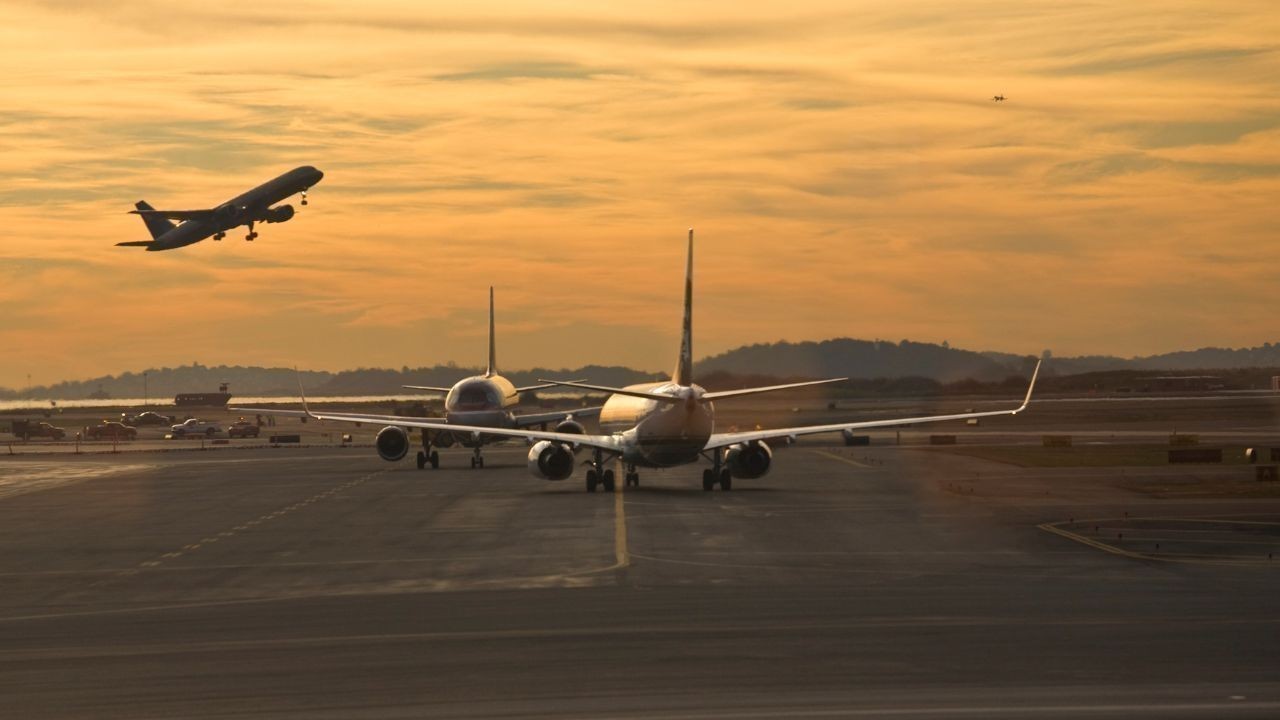
Dubai’s airport authority confirmed on Monday that a “small number” of flights have been approved to operate from Dubai International Airport, the world’s busiest international airport, and Dubai World Central.
Authorities advised passengers not to travel to the airport unless their airline has directly confirmed their departure time.
Emirates and Etihad Updates
Dubai-based Emirates announced it would resume a limited number of flights, giving priority to passengers who had earlier bookings.
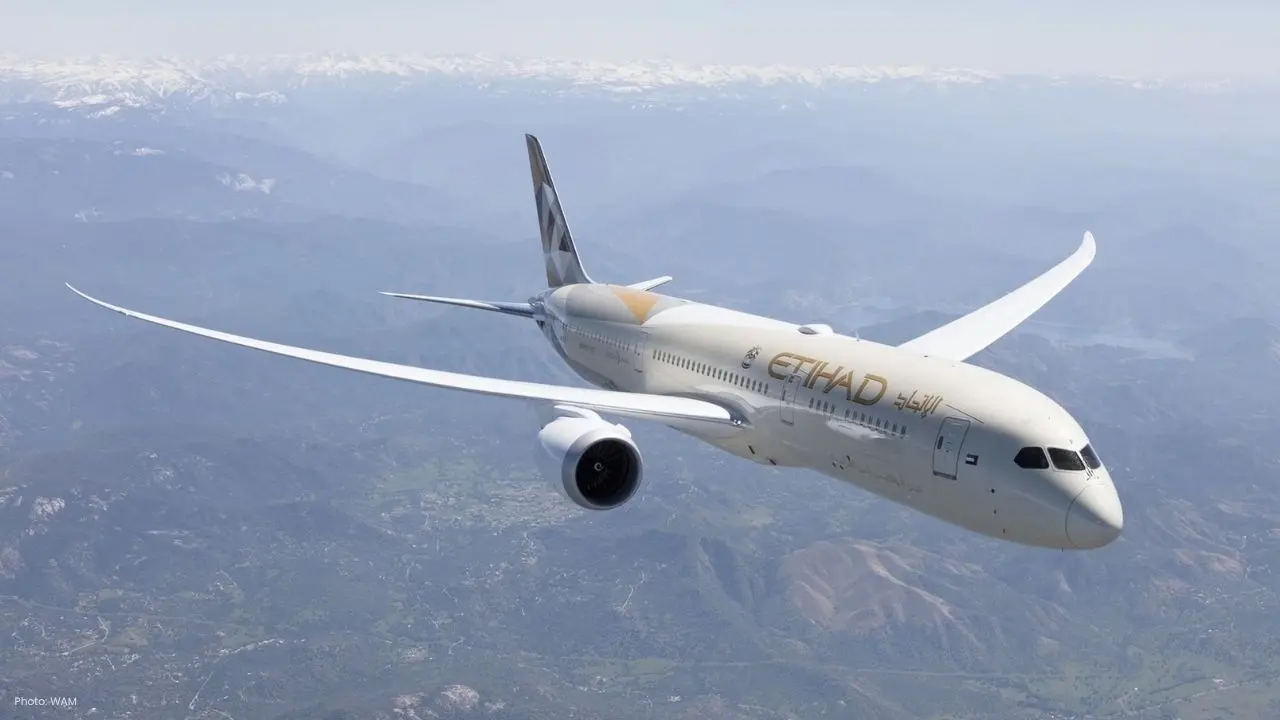
Meanwhile, Abu Dhabi-based Etihad Airways said commercial passenger flights would remain suspended until Wednesday. However, some repositioning, cargo, and repatriation flights may operate depending on safety approvals.
According to flight tracking website Flightradar24, at least 16 Etihad flights departed Abu Dhabi on Monday for destinations including London, Amsterdam, Moscow, and Riyadh.
Two Emirates flights from Dubai landed early Tuesday in Mumbai and Chennai, India. Later, two Etihad flights heading to Abu Dhabi were diverted to Muscat, Oman, and one Emirates flight returned to Mumbai.
Massive Flight Cancellations Across Middle East
Several countries, including Iraq, Jordan, Qatar, and Bahrain, have closed their airspace due to the conflict and Iran’s retaliatory strikes on US allies. This has severely disrupted air travel across the Middle East.
Aviation data firm Cirium reported that more than 11,000 flights in and out of the region have been cancelled since the conflict began on Saturday.
German Foreign Minister Johann Wadephul announced that Germany would send chartered aircraft to Saudi Arabia and Oman to evacuate vulnerable citizens stranded in the region.
Long-Term Impact on Aviation
Aviation consultant Tony Stanton from Strategic Air in Australia warned that if the conflict continues for several weeks, airlines may face long-term damage. Key flight routes could become too risky or expensive due to higher insurance and regulatory costs.
He added that airlines may permanently suspend some routes, and major hubs could lose important connections if the crisis continues.
For now, UAE authorities continue to monitor the situation closely while operating limited flights under strict safety measures.