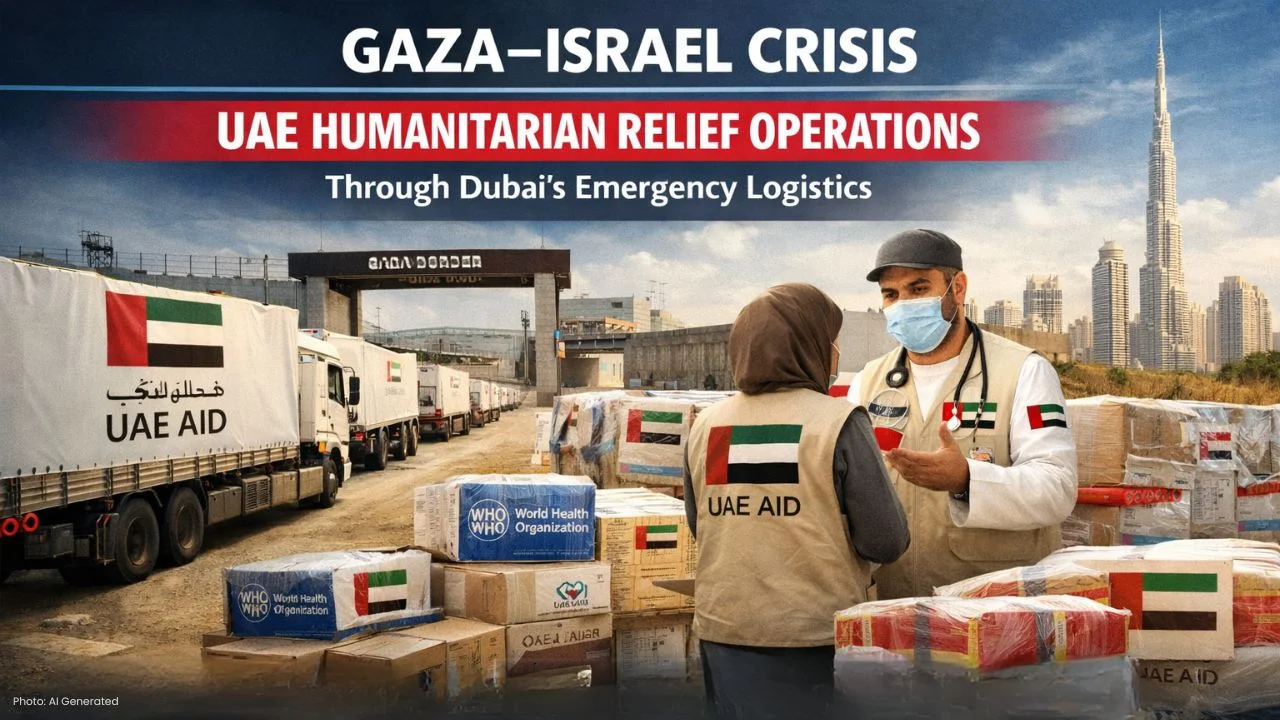
In an increasingly fragile humanitarian environment shaped by disrupted medical access and regional supply-chain pressure, officially announced UAE relief operations routed through Dubai continue to play a critical role in supporting Gaza’s emergency medical needs.
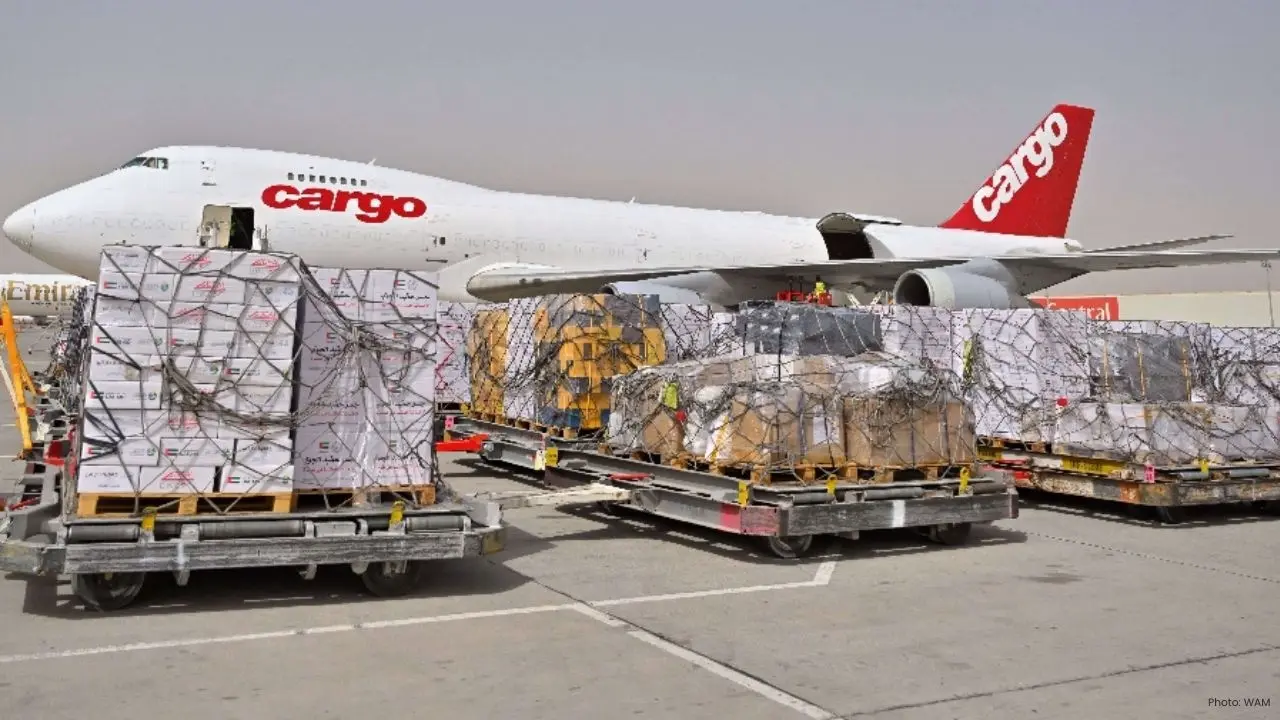
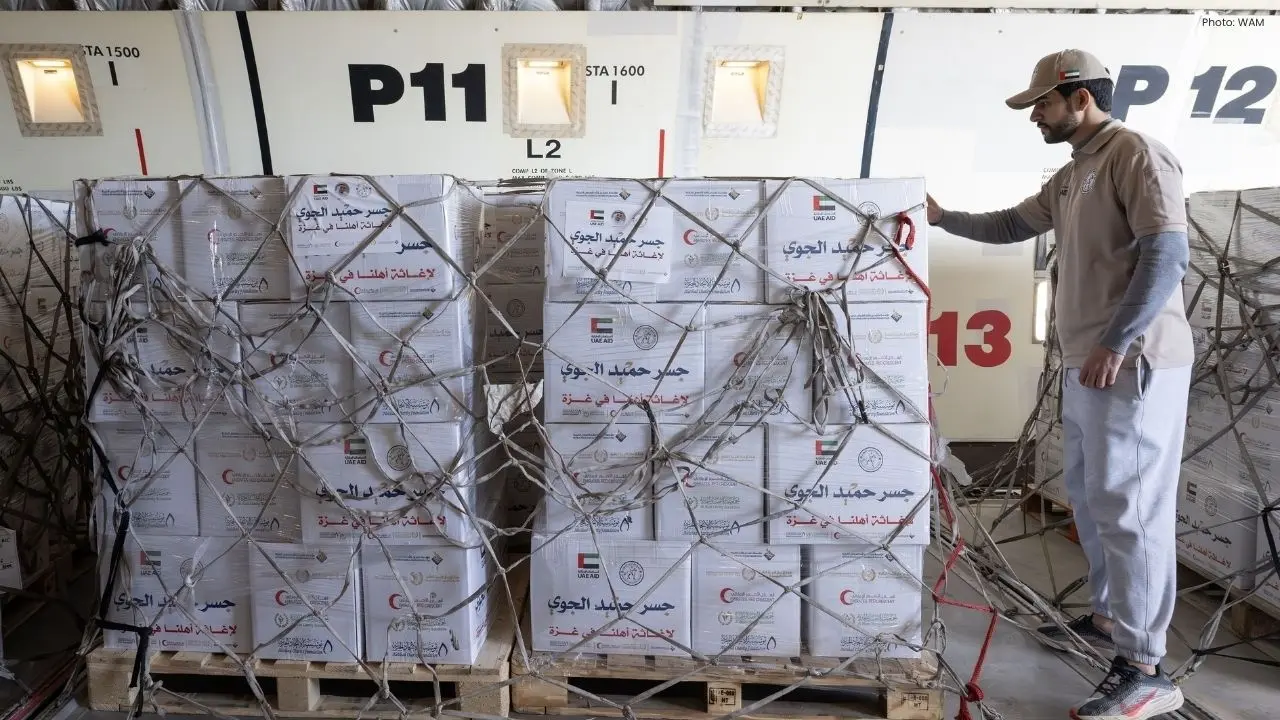
According to publicly released institutional updates, recent UAE-backed humanitarian efforts included a 22.3-metric-tonne World Health Organization medical shipment, delivered through a three-truck overland convoy. The supplies are designated to support approximately 110,000 beneficiaries through coordinated emergency distribution channels.
The operation followed another officially reported UAE medical convoy carrying 53 tonnes of essential supplies through eight trucks. This shipment supported the UAE field hospital in Rafah and the medical centre in Khan Younis under the country’s broader humanitarian support framework.
For DXB News Network’s international audience, these verified developments highlight how Dubai’s logistics systems continue to ensure humanitarian continuity during one of the region’s most challenging crises.
Regional Pressure and Dubai’s Response Infrastructure
The wider significance of these operations lies not only in the volume of aid, but in the continuity and institutional resilience of Dubai’s humanitarian logistics ecosystem.
As international agencies warn of critically low medical inventories inside Gaza, Dubai-based relief channels have remained operational through:
- Multimodal cargo movement
- Customs facilitation
- Humanitarian warehousing
- Airport-to-border logistics pathways
- Rapid overland dispatch support
This systems-led response reinforces Dubai’s growing relevance as a major logistics and humanitarian coordination gateway for regional emergency operations.
DXB News Network analysis of publicly announced aid activity indicates that Dubai’s infrastructure continues to provide dependable continuity for humanitarian cargo movement during conflict-driven disruption.
Why UAE Relief Operations Matter Beyond the Region
The UAE’s Gaza support architecture reflects a sustained humanitarian model built around:
- Medical continuity support
- Field hospital operations
- Emergency evacuation pathways
- Convoy routing and protection
- Strategic supply resilience
- Rapid institutional coordination
Officially released reports further indicate continued support for:
- Field treatment systems
- Rafah emergency medical capacity
- Medicine and food transfers through Al Arish
- Treatment pathways for wounded civilians in the UAE
For global readers, humanitarian agencies, and diplomatic observers, these developments underline the UAE’s operational capacity to maintain aid continuity through Dubai’s logistics infrastructure.
Dubai’s Strategic Role in Crisis-Time Supply Continuity
From a global logistics perspective, the Gaza–Israel crisis continues to test the resilience of major regional supply routes.
In this context, Dubai’s:
- Aviation connectivity
- Humanitarian warehousing systems
- Customs readiness
- Institutional coordination frameworks
are contributing to sustained relief continuity.
This strengthens Dubai’s relevance across:
- International humanitarian agencies
- Sovereign institutions
- Diplomatic networks
- Logistics partners
- Global business ecosystems
For DXBNewsNetwork.com, the verified takeaway is clear:
Dubai’s infrastructure-led response continues to support humanitarian continuity where regional supply systems remain under pressure.
DXB News Network Editorial Standards Note
This report is based exclusively on:
- Officially released UAE humanitarian updates
- Dubai institutional statements
- Verified international agency references
- Publicly announced medical convoy operations
- Recognised institutional reporting
No battlefield speculation, unverified visuals, anonymous claims, or social media-based war narratives have been included.
This approach supports international newsroom standards, factual integrity, and UAE media-compliant conflict reporting practices.