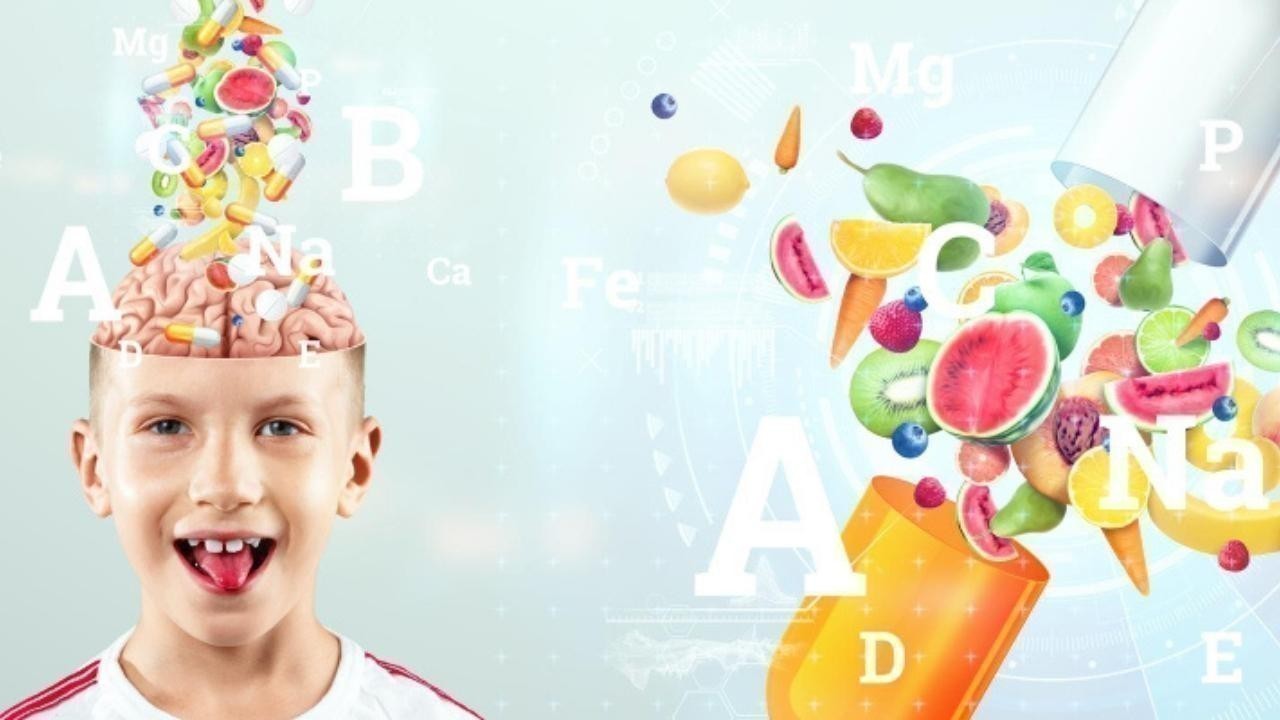
Beyond the Basics: 4 Essential Vitamins Your Child Needs for Maximum Brain Development
Every parent wants their child to grow up smart, confident, and emotionally strong. What many do not realize is that the brain grows the fastest during the first ten years of life. The food a child eats in these early years plays a major role in building their memory, focus, creativity, and overall learning ability.
Today’s lifestyle makes this even more important. Children spend more time on screens, eat more fast food, and spend less time outdoors. Because of this, their growing brains need extra nutritional support. While proteins and carbohydrates help with physical growth, specific vitamins are needed to support brain development, behaviour, and learning.
This article explains four essential vitamins children need for maximum brain development, especially in places like Dubai where heat and indoor living may reduce natural nutrient levels.
Why Early Brain Development Matters
A young child’s brain is constantly learning. It absorbs new information, builds skills, and forms thousands of connections each day. Most of these connections are created during early childhood.
When a child receives the right nutrients, they show:
-
Better memory
-
Improved learning
-
Greater focus
-
Stable mood
-
Stronger thinking and problem-solving skills
These benefits support them throughout school and into adulthood.
Modern Lifestyle and Its Impact on Children’s Brain Health
Children today face challenges that previous generations did not experience. These changes in lifestyle have quietly affected brain development.
1. Too Much Screen Time
Continuous use of phones, tablets, and video games reduces creativity and distracts children easily.
2. Unhealthy Eating Habits
Sugary snacks and fast food often replace balanced, home-cooked meals. These foods lack key vitamins needed for brain growth.
3. Poor Sleep Routine
Screen use late at night affects sleep quality. Proper sleep is essential for repairing and refreshing the brain.
4. Less Outdoor Play
Children spend fewer hours outdoors, which lowers natural Vitamin D levels. Vitamin D is crucial for mood, focus, and learning.
All these habits reduce vitamin absorption and slow brain cell development. This is why vitamins play such an important role in boosting cognitive growth.
Vitamin #1: Vitamin D – The Sunshine Vitamin for Memory and Mood
Vitamin D is important for memory, mood stability, and overall brain function. Children who lack Vitamin D may feel tired, irritable, or have trouble focusing.
Why Vitamin D Is Important
-
Improves communication between brain cells
-
Helps control mood
-
Boosts concentration
-
Supports learning and understanding
Why UAE Children Often Have Low Vitamin D
Strong heat keeps families indoors. Children spend most of the day in air-conditioned rooms with limited sunlight.
Safe Ways to Increase Vitamin D
-
Morning sunlight exposure for 10–15 minutes
-
Fortified milk
-
Vitamin D-rich cereals
-
Doctor-recommended supplements
Small improvements in Vitamin D can lead to noticeable changes in learning and behaviour.
Vitamin #2: Vitamin B12 – The Brain Cell Builder
Vitamin B12 is essential for developing strong nerve cells. Low B12 levels can make children forgetful, slow in learning, or low in energy.
Signs of Low B12
-
Forgetfulness
-
Difficulty focusing
-
Tiredness
-
Mood changes
Why B12 Deficiency Is Increasing
Packaged and processed foods are more common today, and many families follow vegetarian or low-dairy diets.
Foods Rich in Vitamin B12
-
Milk, yogurt, and cheese
-
Eggs
-
Chicken and fish
-
Fortified cereals
-
Nutritional yeast for vegetarian families
Regular intake of B12 helps children stay alert and mentally active.
Vitamin #3: Omega-3 (DHA) – The Building Block of the Brain
Nearly 60 percent of a child’s brain is made of fat, and DHA is the most important type. Omega-3 fatty acids improve memory, learning, and emotional health.
How Omega-3 Helps
-
Sharpens memory
-
Improves focus in school
-
Helps with emotional balance
-
Strengthens reading and problem-solving skills
Easy Ways to Add Omega-3
-
Salmon, sardines, and tuna
-
Chia seeds
-
Walnuts
-
Flaxseeds
-
Omega-3 gummies or liquid supplements
Children with good Omega-3 levels often show better concentration and behaviour.
Vitamin #4: Vitamin E – The Brain’s Protective Shield
Vitamin E protects developing brain cells from damage caused by stress, pollution, and unhealthy eating habits.
Why Vitamin E Supports the Brain
-
Improves memory
-
Strengthens nerves
-
Supports emotional stability
-
Helps the brain grow consistently
Child-Friendly Sources of Vitamin E
-
Almond powder
-
Sunflower seeds
-
Peanuts
-
Spinach
-
Avocado
A small daily amount of Vitamin E can significantly support brain development.
A Simple Daily Vitamin Routine for Busy Parents
| Time | Routine |
|---|---|
| Breakfast | Fortified milk and a Vitamin C-rich fruit |
| Afternoon | Nuts or seeds for Vitamin E and Omega-3 |
| Evening | Outdoor play for natural Vitamin D |
| Dinner | Eggs, fish, or lentils for Vitamin B12 |
Extra Tips for Better Brain Development
-
Reduce screen time, especially before sleep
-
Offer homemade meals instead of fast food
-
Encourage reading, puzzles, and creative activities
-
Ensure your child gets 8–9 hours of sleep
-
Include whole grains, vegetables, and fruits in meals
These habits help build strong, confident, and intelligent children.
Building a Smarter Future
Early childhood nutrition shapes a child’s brain for life. Vitamins D, B12, Omega-3, and E work together to support memory, focus, emotional balance, and learning. By adding these nutrients to daily meals and encouraging healthy habits, parents can help their child reach their full potential.
Small efforts today can create a brighter and sharper tomorrow.
Disclaimer
The information provided in this article is for general educational purposes only and should not be considered medical advice. DXB News Network encourages readers to consult a qualified healthcare professional before making any changes to their child’s diet, supplements, or lifestyle. Individual nutritional needs may vary, and parents should follow guidance from medical experts for specific health concerns.