How Dubai’s Smart Policing System Is Making the City Safer
Dubai — often known for its futuristic skyline and innovation-driven culture — is also a global leader in smart policing and public safety. As part of its broader Smart City initiative, the Dubai Police has integrated cutting-edge technology, artificial intelligence (AI), and data analytics to create one of the most efficient and advanced policing systems in the world.
This shift from traditional law enforcement to technology-powered policing is transforming how the city maintains safety, prevents crime, and ensures the well-being of its residents and tourists alike.
A Vision for a Safer, Smarter City
Dubai’s goal to become the safest city in the world is deeply aligned with its UAE Vision 2031. The Dubai Police has taken major strides toward digitization, focusing on predictive policing, automation, and community-driven systems that enhance efficiency and transparency.
Through smart monitoring, automated reporting, and AI-based decision-making, Dubai Police can prevent crimes before they occur, making law enforcement more proactive than reactive.
AI at the Core of Policing
One of the biggest breakthroughs in Dubai’s smart policing system is the use of Artificial Intelligence. AI algorithms analyze massive amounts of data — from surveillance cameras, social media, and public reports — to identify suspicious behavior or criminal patterns.
For example, predictive models can forecast potential crime hotspots, allowing police to deploy resources strategically and minimize risk. The AI also helps in identifying stolen vehicles, recognizing faces, and tracking illegal activities across the city.
This combination of human expertise and machine intelligence ensures quick, accurate, and fair decision-making.
The Rise of Smart Patrols and Robo-Cops
Dubai has introduced the world’s first AI-powered robotic police officers — an initiative that gained global attention. These robo-cops can interact with the public, answer basic inquiries, scan for wanted individuals, and even file reports.
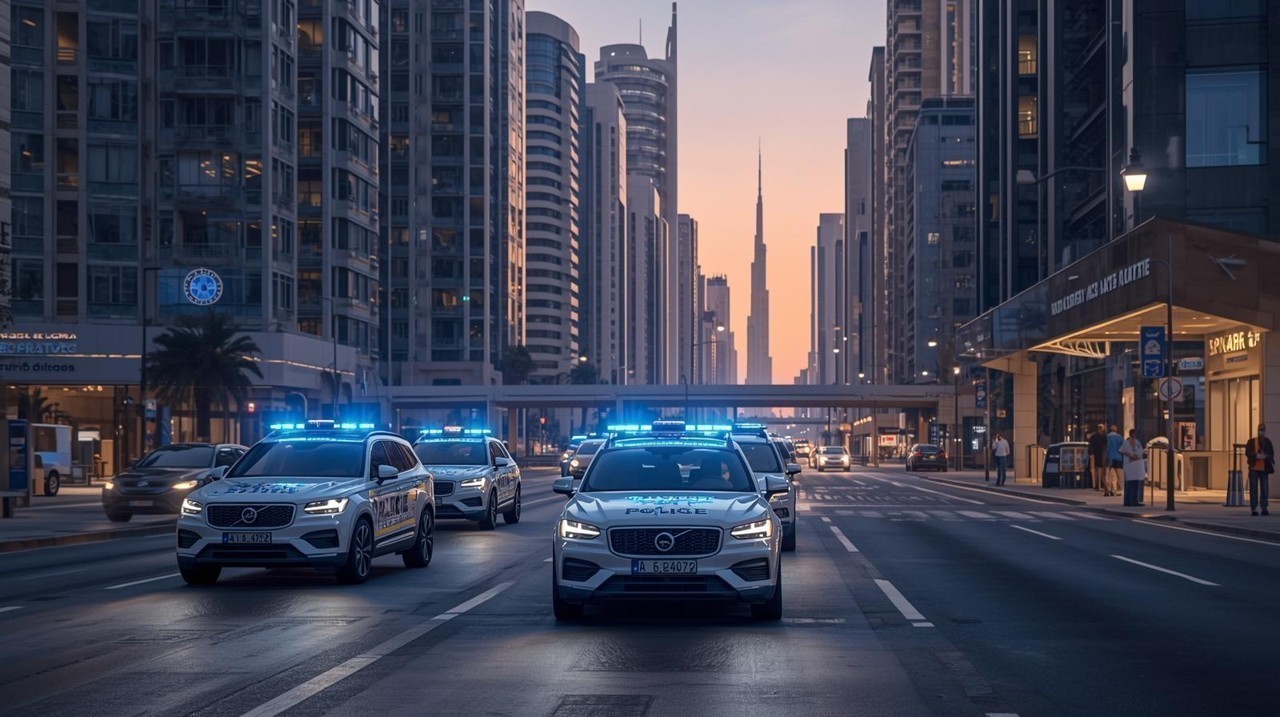
In addition, smart patrol cars are equipped with license plate recognition systems, real-time communication networks, and integrated AI cameras that continuously monitor surroundings. These vehicles can identify violations such as overspeeding or illegal parking without human intervention.
Such technologies significantly enhance response times, improve surveillance coverage, and reduce the burden on human officers.
Smart Surveillance and Data Analytics
Dubai Police operates one of the most extensive smart surveillance networks in the world. Thousands of cameras installed across public areas feed into a central Command and Control Center, where AI software continuously analyzes video data.
This system can detect anomalies such as unattended bags, unusual gatherings, or aggressive movements — triggering alerts for rapid response. Data analytics also plays a major role in crime trend prediction, helping authorities make informed decisions on patrol routes and public safety planning.
Digital Services for Citizens and Tourists
Another crucial element of Dubai’s policing innovation is its smart service integration. Through mobile apps and online platforms, residents can report crimes, pay fines, or request assistance without visiting a police station.
Some of the key smart services include:
-
Dubai Police App: Offers over 100 services, from accident reporting to community assistance.
-
Smart Police Stations (SPS): Fully automated, 24/7 facilities where citizens can file complaints or obtain certificates — all without human staff.
-
Virtual Consultation Services: Video call options for citizens needing police advice or information remotely.
This digitization makes policing accessible, transparent, and user-friendly, aligning with Dubai’s goal of a paperless government.
Community Policing and Public Engagement
Despite its technological advancements, Dubai’s policing model remains people-focused. The Dubai Police continuously engages with the public through awareness programs, safety campaigns, and open dialogues.
By building trust and collaboration, the police have successfully reduced crime rates while enhancing community involvement. Smart systems also allow citizens to share data, feedback, and reports — creating a collective safety network that strengthens security at every level.
Traffic Safety and Smart Mobility
Dubai’s traffic management system is another area where smart policing technology shines. Using AI-based cameras, radar sensors, and connected traffic lights, the police can monitor congestion, prevent accidents, and ensure compliance with road safety laws.
Automated fine systems, accident prediction software, and digital traffic alerts have drastically reduced accident response times and improved driving behavior across the city.
Cybercrime Prevention and Digital Security
In a digital economy like Dubai’s, cybersecurity is a growing concern. The Dubai Police Cybercrime Department uses advanced AI algorithms and blockchain technology to combat fraud, online scams, hacking, and identity theft.
With online transactions and e-services on the rise, the department ensures that digital safety remains as robust as physical security. This focus on digital resilience is key to Dubai’s ambition of becoming a global tech hub.
Results That Speak for Themselves
Thanks to its smart policing initiatives, Dubai has achieved remarkable safety milestones. The city consistently ranks among the world’s safest urban centers, with low crime rates, efficient emergency response, and high public trust in law enforcement.
The combination of AI, automation, and community cooperation has made Dubai’s model a blueprint for other cities looking to modernize their policing systems.
The Road Ahead: A Fully Smart Policing Ecosystem
Looking to the future, Dubai Police aims to expand its use of AI-powered drones, predictive algorithms, and blockchain-secured records. The goal is to build a fully connected, intelligent policing network that integrates every layer of public safety — from traffic and crime prevention to disaster management and cyber defense.
As technology evolves, Dubai’s commitment to innovation ensures that its residents continue to live in one of the most secure and efficiently managed cities in the world.
Conclusion
Dubai’s smart policing revolution is more than just a technological achievement — it’s a reflection of the city’s vision for a safer, smarter, and more sustainable future. By blending innovation with human values, the Dubai Police have redefined what modern law enforcement looks like in the 21st century.
In a world where safety challenges are constantly evolving, Dubai stands as a shining example of how technology, leadership, and foresight can work together to create lasting security and trust.