The global travel and tourism industry is undergoing a major transformation as Artificial Intelligence (AI) becomes increasingly central to how travelers plan and experience their journeys. According to a recent study conducted by Tourism Economics for Arabian Travel Market (ATM), 60% of UAE travelers now rely on AI to plan their trips, significantly higher than the global average of 48%. This number is expected to grow further as digital tools become a natural part of consumer behavior.
The report highlights the growing importance of AI in planning trips across the Middle East. Nearly six out of ten UAE travelers have used AI for travel-related decisions, with 21% using it before their most recent trip. From delivering personalized recommendations to streamlining the booking process, AI is now an essential tool for tech-savvy travelers. Travel companies are also leveraging AI to enhance customer experiences and drive economic growth.
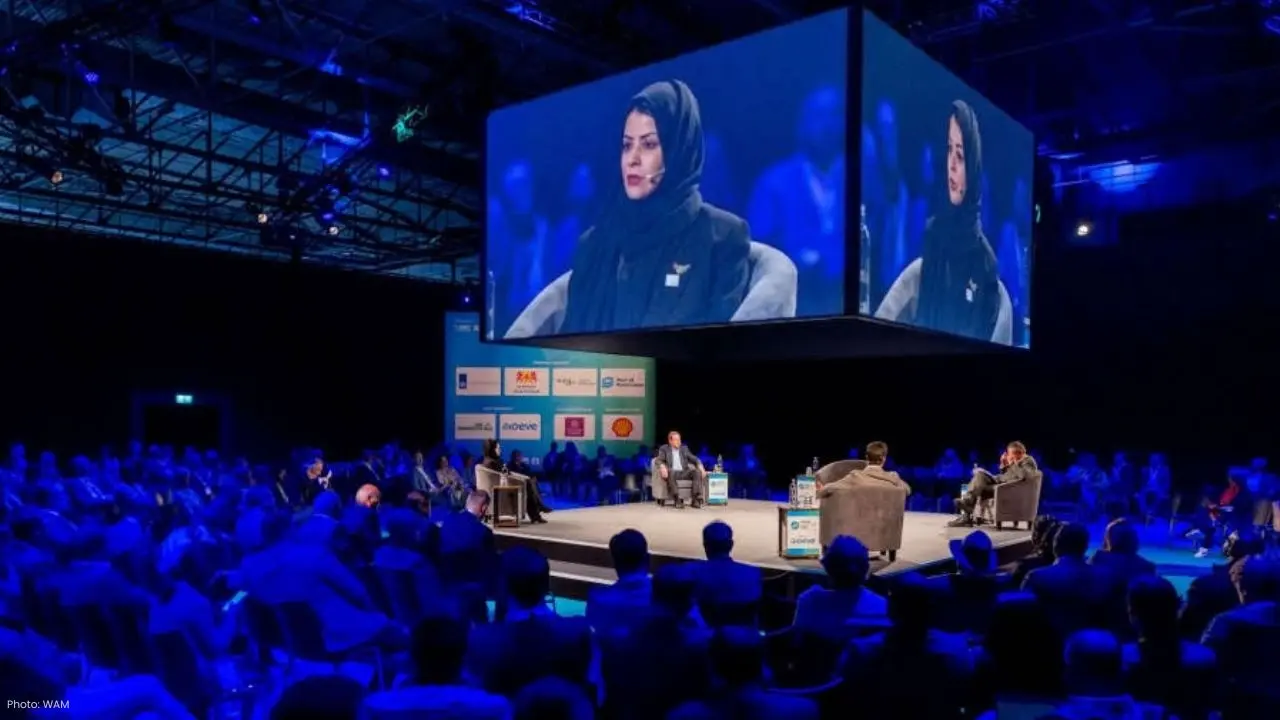
As the industry embraces digital transformation, ATM 2025 served as a key platform for technology, hospitality, and events professionals to explore how AI is shaping the future of travel—while also reinforcing the need to preserve human connection.
 Amy Read, Vice President of Innovation at Sabre Hospitality, stressed the importance of maintaining human connection within hospitality. “Technology should enhance, not replace, meaningful interactions. Innovation should free up staff time so they can engage more deeply with guests,” she said.
She cited the example of SynXis Concierge AI, a generative AI tool designed to improve customer service for hotels by offering instant, detailed, and consistent responses—reducing dependency on individual staff knowledge and ensuring 24/7 guest support.
Other innovations discussed included Majd Al, the AI concierge deployed by Miral at attractions like Yas Bay Waterfront and Ferrari World Yas Island in Abu Dhabi. Majd Al provides personalized recommendations based on visitor preferences, helping guests make the most of their experiences.
Panelists agreed that human-focused innovation begins with listening to consumer behavior. Companies like Almosafer are co-creating tools based on real customer pain points, while platforms like Expedia TAAP build technology guided by feedback from travel agents to ensure usability and effectiveness.
 The conversation also turned to the business events (MICE) sector, which is rapidly adopting AI to increase efficiency and attendee engagement. With the global meetings and events industry forecasted to hit USD 945 billion by 2025 and exceed USD 2.3 trillion by 2032, the demand for intelligent, scalable solutions is growing fast. AI is now widely used to automate tasks, offer real-time translation, and personalize event experiences.
Despite these technological advancements, speakers at ATM 2025 emphasized the importance of balancing innovation with authenticity. AI is not a replacement for human roles but rather a tool to support and enhance them—encouraging organizations to redirect their talent toward more thoughtful, guest-focused service.
Danielle Curtis, Exhibition Director ME, Arabian Travel Market, summed it up:
“The most impactful technologies are those that support human interaction, boost efficiency, and address real customer needs. As an industry, we are committed to responsible innovation by keeping people at the heart of every tech solution.”
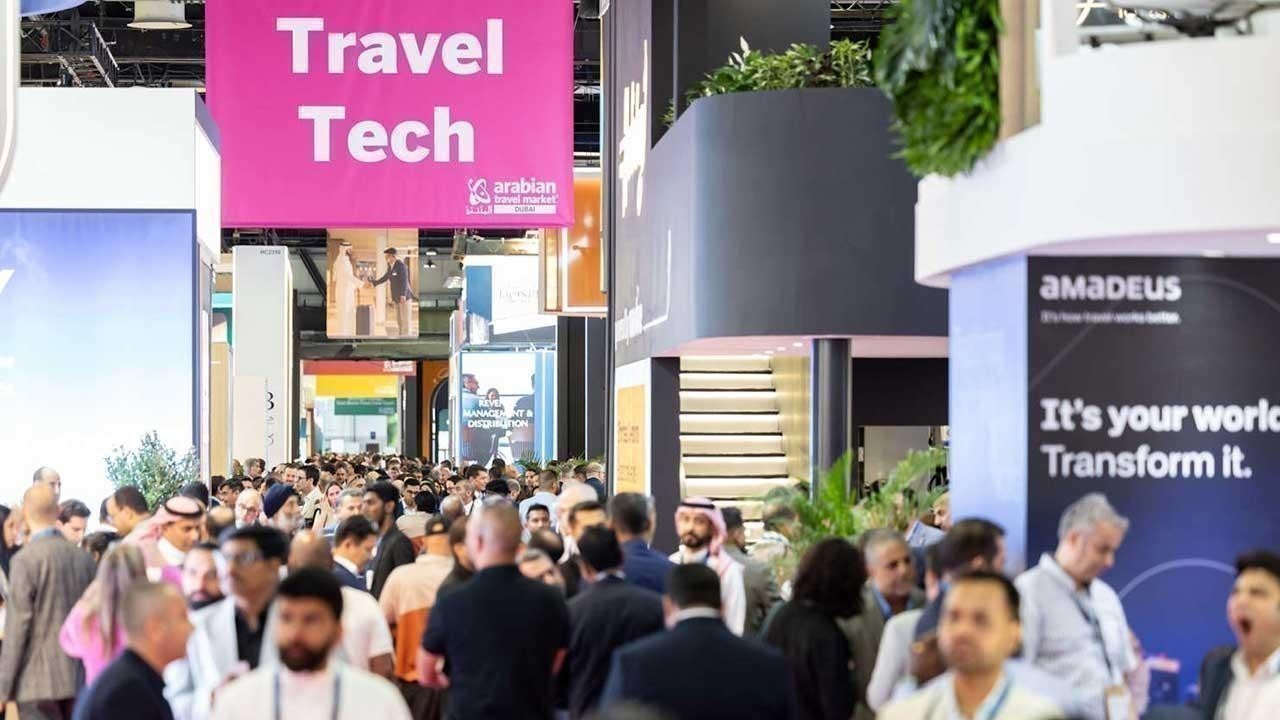
Reflecting this ongoing convergence between travel and technology, ATM Travel Tech 2025 featured a 26% increase in showcased products—its largest display to date. ATM 2026, scheduled for 4–7 May, promises to further build on this momentum, unveiling the latest tools and platforms driving the future of global travel.