Dubai Housing Trends: What Tenants Are Asking Now
Overview of Dubai’s Rental Market in 2026
Dubai’s housing market is evolving rapidly as population growth, global mobility reforms, increased supply, and changing tenant preferences reshape how people live in the city. While rents have historically soared, recent trends show a moderation in rental growth, increased tenant leverage, and a shift in priorities toward affordability, flexibility, and lifestyle-led neighbourhoods. Rental behaviour in 2026 reflects a more mature and competitive market where tenants are asking for value, choice, services, and long-term stability instead of only luxury or prime locations.
1. Rental Price Adjustments and Moderation
Tenants today are more aware that rental increases are not as steep as they were in the immediate post-pandemic years. While prime district rents continue to rise, overall growth has moderated in mid-tier and affordable segments. This shift is driven largely by a significant pipeline of new supply entering suburban and emerging districts, increasing choice and slowing rent escalation in certain areas.
Tenants are noticing that prime communities like Nad Al Sheba, Jumeirah, Arabian Ranches, and Palm Jumeirah continue to see price pressure, but neighbourhoods with heavy new deliveries — notably Jumeirah Village Circle, Dubai South, and Business Bay — are stabilising as competition grows.
2. Demand for Affordable and Mid‑Market Housing
Dubai’s rental growth has historically favoured luxury properties and prime locations, but there is now a clear tenant preference shift toward affordable and mid-market housing. Communities like JVC, Arjan, Al Furjan, and Dubai Hills Estate are increasingly popular because they offer modern amenities, larger spaces for families, and comparatively lower annual rents.
Workers, young professionals, and families, especially those moving from central upscale areas, are choosing these regions to balance quality of life with affordability. This trend reflects tenant priorities in 2026 — not only where a home is located, but how much it costs relative to space, comfort, and convenience.
3. Supply Growth Giving Tenants More Leverage
Consistent with Dubai’s ambitious residential expansion, tens of thousands of new units are set for delivery by 2026. This influx of new housing creates more options for tenants, which pressures landlords to adjust leasing strategies to retain occupancy. A larger supply reduces urgency among renters and allows tenants to be more selective — focusing on quality, amenities, layout, and price.
4. Increased Tenant Negotiation Power
With new stock being delivered and leasing velocity softening in some segments, tenants now have stronger negotiation leverage compared with a few years ago. Landlords are responding by offering:
-
Flexible lease payment schedules (multiple cheques or shorter payment cycles)
-
Furnished options or upgrades included in rent
-
Incentives like one month free or waived maintenance charges
Flexible lease structures and upgrade packages reflect a shift in the landlord‑tenant dynamic — one that increasingly recognises tenants’ bargaining power when demand is balanced with ample supply.
5. Tenant Priorities: Location, Lifestyle, and Connectivity
Modern tenants are asking for more than just a roof over their heads. Preferences have evolved toward lifestyle-led communities featuring:
-
Walkability and green spaces
-
Proximity to workplaces and business districts
-
Easy access to schools, healthcare, and transport networks
-
Community amenities such as parks, pools, gyms, and dining options
Neighbourhoods that combine these factors, such as Business Bay, Dubai Marina, Downtown Dubai, and Dubai Hills Estate, remain strong contenders for both rentals and long-term tenant satisfaction — even if rents are slightly higher.
6. Shift Toward Villas and Larger Spaces
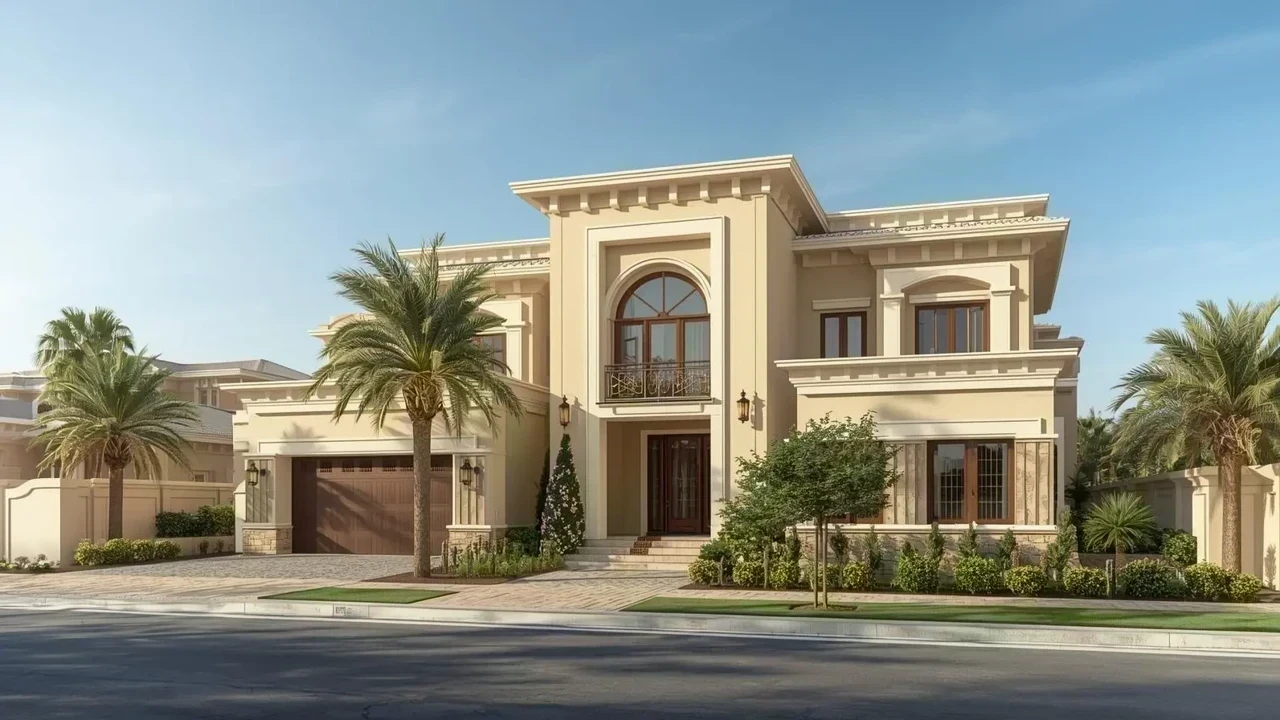
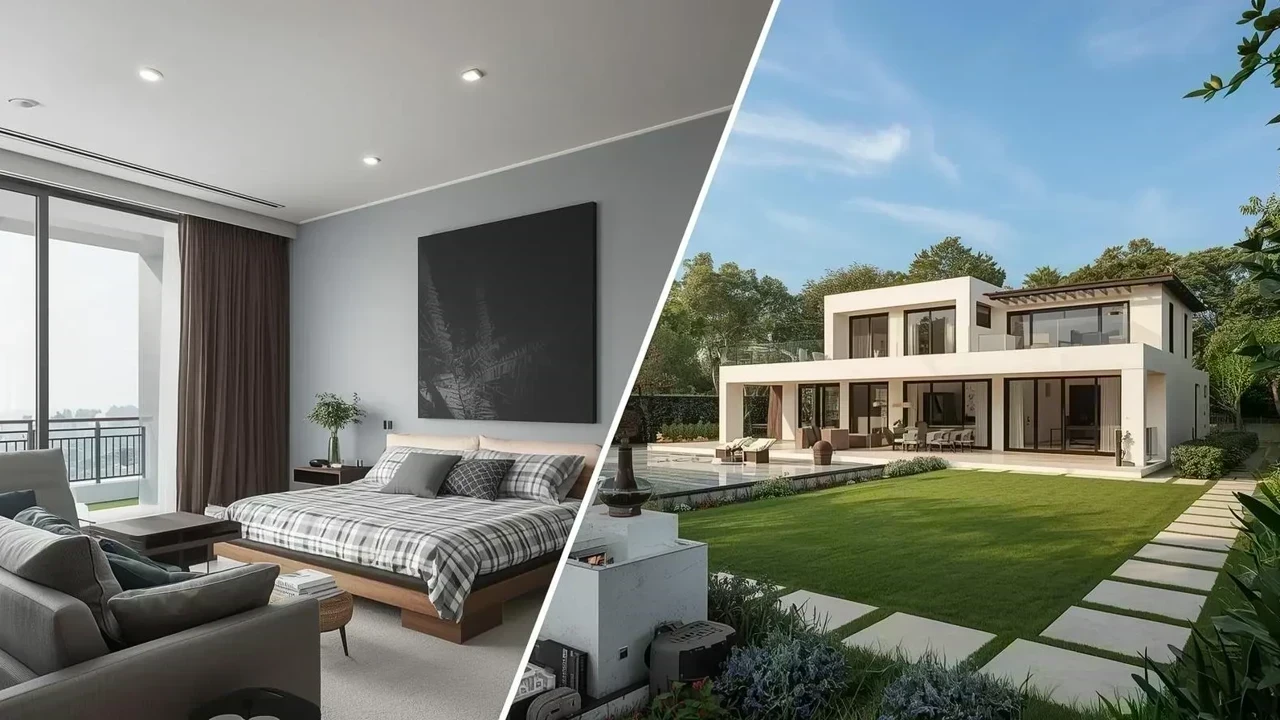
In 2025–2026, a noticeable shift emerged in tenant behaviour: families and long‑stay residents are increasingly seeking villa and townhouse options. The demand for larger homes with outdoor space has grown as remote or hybrid work arrangements remain common. Spacious layouts, family‑friendly amenities, and private yards or gardens are now priorities for those planning multi‑year stays.
While villas tend to be more expensive, many tenants weigh the value of additional space against the cost, leading to willingness to pay a premium for comfort and stability. Suburban communities such as Dubai Hills Estate and Arabian Ranches have been especially popular among this segment.
7. Short‑Term Rentals and Hybrid Living
Even as long‑term rentals remain central, the short‑term rental market continues to expand due to tourism and hybrid work trends. While many tenants seek standard annual contracts, a rising number of professionals and expatriates prefer short-term stays with flexible terms.
This hybrid demand influences tenant expectations even for standard rentals. Many now expect properties that feel “hotel-like” — with service quality, furnishings, and amenities that support both living and hybrid working without long-term commitment anxiety.
8. Digital Leasing and Technology Integration
Dubai’s rental search and property management processes are rapidly digitising. Platforms offering virtual tours, digital contracts, online payments, and AI-assisted listings are no longer luxuries; they are expected by tenants. Digital tools help tenants make quicker yet more informed decisions, comparing prices, neighbourhood data, and amenities instantly.
Property management apps and automation in maintenance, communication, and payments give tenants convenience and transparency previously unavailable in traditional leasing systems. This trend caters to a digitally savvy tenant base that prioritises efficiency and convenience.
9. Regulatory and Documentation Changes
Tenants in Dubai are adapting to updated regulatory requirements. Co-living arrangements must now be declared in tenancy registrations, affecting how rentals, roommates, and shared spaces are legally documented.
Such regulatory updates highlight that tenants are seeking not only affordability but also legal clarity and security in their leases — especially long-term residents and families.
10. Migration Toward Ownership for Stability
Amid rental shifts, some tenants are choosing ownership over continuing to rent. While rental demand remains strong, a notable drop in lease renewals reflects an appetite for securing stable living arrangements and avoiding future rent increases.
Ownership provides:
-
A hedge against rising rent
-
Predictable long-term costs
-
A tangible asset in a growing property market
This trend is particularly strong among families and expatriates planning to stay in the UAE long-term, signaling that tenants are thinking beyond short rental cycles.
11. Commuting and Lifestyle Trade-Offs
As tenants seek affordability, commuting decisions are increasingly part of housing choices. Many renters are willing to trade a shorter commute or premium location for larger space or newer communities in emerging areas like Dubailand, Dubai South, and Jumeirah Village Triangle.
This trade-off often reduces rental pressure while providing improved quality of life — a key expectation for tenants focused on sustainability, family needs, or remote work comfort.
12. Tenant Expectations for Sustainable and Smart Living
A growing number of tenants are prioritising sustainability and smart features within properties. Energy-efficient buildings, eco-friendly design, and integrated smart home features are no longer niche preferences — they are becoming standard requests for mid-market and higher-end tenants alike.
These features reduce utility costs, enhance comfort, and align with broader global trends toward green living — a priority particularly for younger professionals and families planning long stays.
Final Perspective: What Tenants Care About Most in 2026
Today’s Dubai tenants are not just looking for roofs — they are seeking value, flexibility, legal clarity, space, amenities, sustainability, and community lifestyle. With rising population and a competitive housing supply, tenants have increased leverage — a trend that is expected to continue through 2026. While rents may slowly rise on average, tenant-centric offerings, digital leasing solutions, and flexible deals are making the market more balanced than ever before.
Disclaimer
This article provides general information on current Dubai housing trends and tenant preferences based on market observations. Actual rental conditions, price changes, and neighbourhood demand may vary depending on location, timing, and individual negotiation. Readers should verify details with housing authorities or property professionals before making leasing decisions.