The United Arab Emirates (UAE) has reportedly decided to exit the Organisation of the Petroleum Exporting Countries (OPEC) after nearly six decades of membership. The move is seen as a major shift in global oil politics and could reshape relations within the Gulf region.
According to reports, the decision comes amid growing tensions between Abu Dhabi and Saudi Arabia, OPEC’s leading power. The UAE has been unhappy with production limits set by the cartel, especially as it aims to increase its own oil output and maximise revenues.
Rising Tensions Within the Gulf
Sources suggest that differences between the UAE and Saudi Arabia had been building for some time. While both countries share strategic interests, disagreements over oil production levels and regional influence have increased pressure within the alliance.
The situation has been further complicated by regional conflicts involving Iran. Gulf states have faced security concerns following attacks in the region, leading to shifting political alignments and differing approaches to diplomacy and defence.
Concerns Over Pakistan Relations
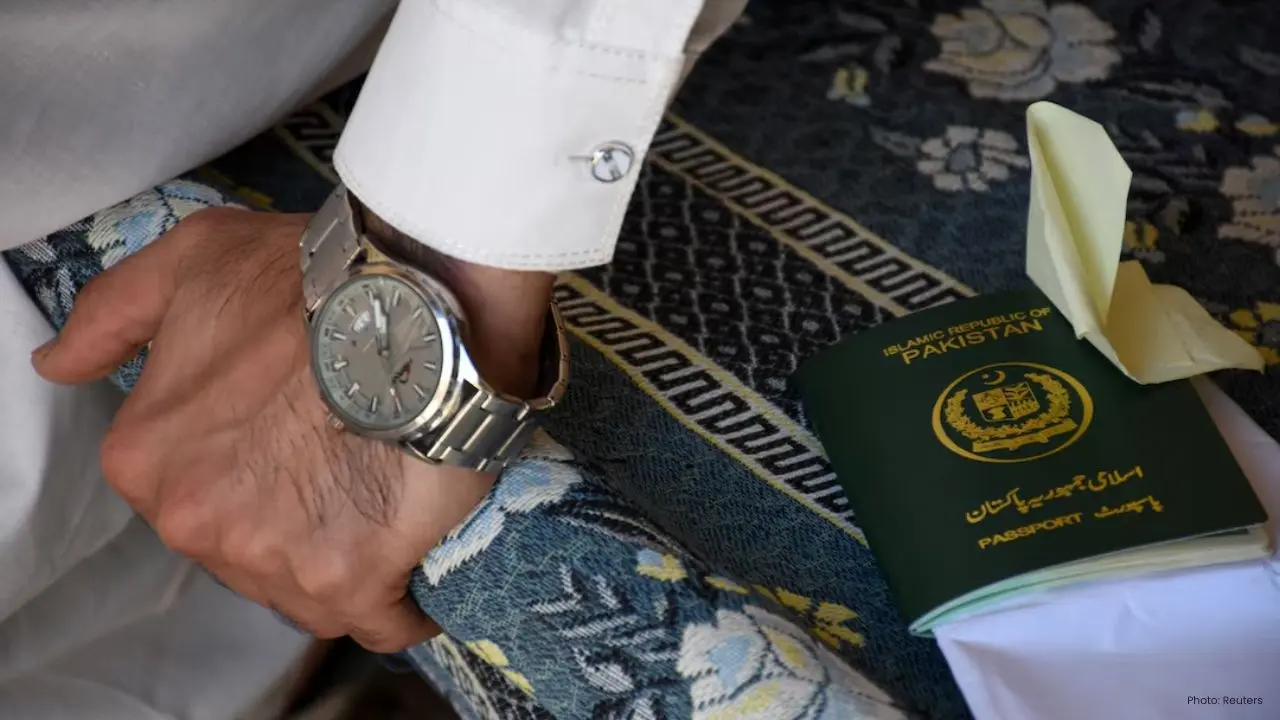
The UAE has also expressed frustration with Pakistan’s regional role. Reports suggest Abu Dhabi was unhappy with Islamabad’s neutral stance in mediating tensions between the United States and Iran. The UAE also questioned Pakistan’s response to Gulf security concerns during the conflict period.
In a significant financial move earlier, the UAE reportedly withdrew around $3.5 billion in deposits from Pakistan. This was seen as a signal of declining trust and growing diplomatic distance between the two countries.
Impact on OPEC and Oil Markets
The UAE is currently one of OPEC’s largest oil producers. Its exit could weaken the organisation’s ability to control global oil supply and prices, especially as other members follow different production strategies.
Reports indicate that the UAE plans to increase oil production significantly in the coming years, potentially reaching up to 5 million barrels per day by 2027. This would mark a major shift from OPEC-controlled quotas.
Global and Economic Impact
Analysts believe the move could increase global oil supply flexibility and potentially soften crude prices in the medium term. This may benefit large oil-importing countries like India by reducing import costs and easing inflation pressure.
At the same time, the decision strengthens the UAE’s position as an independent oil power, capable of influencing global energy markets outside OPEC frameworks.
Strategic Realignment
Experts say the exit reflects a broader strategic realignment by the UAE. The country is seeking stronger ties with global partners, particularly the United States, while also asserting more control over its energy policy.
The development marks one of the most significant changes in the global oil structure in decades and could redefine power dynamics in the Middle East energy sector.