Roti vs Rice At Night: Which Is Lighter On Stomach And Helps In Better Digestion?
Dinner is often the most debated meal when it comes to digestion and weight management. One common question many people ask is: should you eat roti or rice at night? Both are staple foods in Indian diets, but they affect the body differently—especially when eaten in the evening.
The truth is, there is no one-size-fits-all answer. The choice between roti vs rice for dinner depends on your digestion, lifestyle, and portion size. However, understanding how each works in your body can help you make a smarter decision for better sleep and gut health.
How Your Body Digests Food at Night
At night, your metabolism naturally slows down compared to daytime. Your body prepares for rest, and digestion becomes slightly less active. This is why experts often recommend light and easy-to-digest dinner options.
Eating heavy or large meals late at night can lead to bloating, discomfort, or even disturbed sleep. So the focus should not just be on roti or rice—but on how easily your body can digest them.
Roti at Night: Is It Better for Digestion?
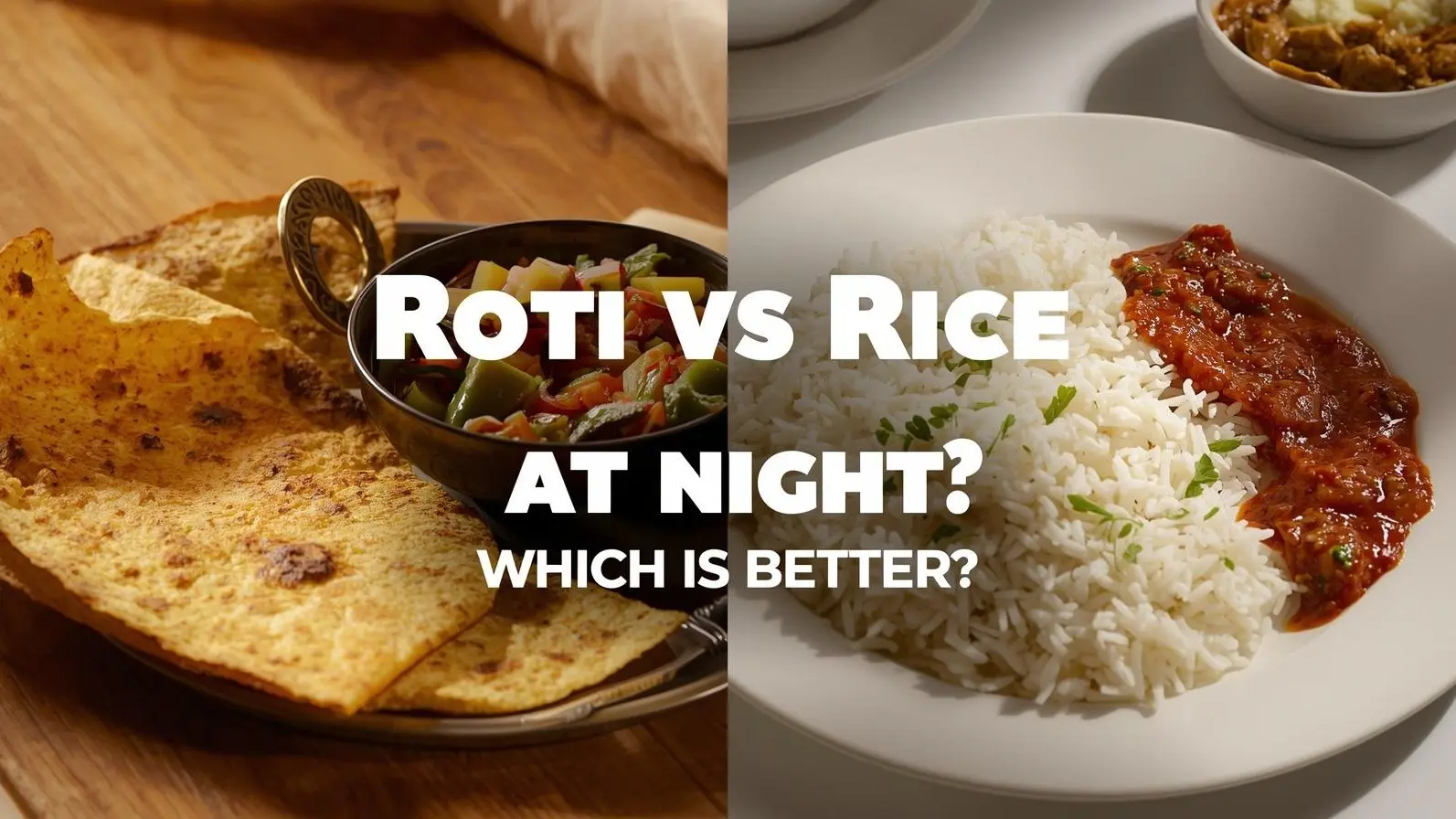
Roti, made from whole wheat flour, is rich in fiber and complex carbohydrates. This means it takes longer to digest and releases energy slowly.
Because of its fiber content, eating roti at night can help you feel full for longer and may prevent overeating. It is often considered a better option for people managing weight or blood sugar levels.
However, since roti is heavier and slower to digest, some people may feel slightly full or heavy if they eat it in large quantities late at night.
Rice at Night: Light but Quick to Digest
Rice, especially white rice, is low in fiber and easier to digest. This is why it is often recommended for people with weak digestion or stomach issues.
Eating rice at night for digestion can be beneficial if you want a light meal that doesn’t stay in your stomach for long. It is less likely to cause heaviness and may help you sleep comfortably.
However, rice digests quickly, which means you may feel hungry sooner. It can also cause a quicker rise in blood sugar compared to roti.
Which Is Lighter on the Stomach?
If your main goal is light digestion at night, rice is generally considered lighter. It is easy on the stomach and suitable for those who experience bloating or discomfort.
On the other hand, roti is slightly heavier due to its fiber content. While it keeps you full longer, it may not feel as light as rice, especially if eaten in larger portions.
Which Option Is Better for Weight Management?
For those focusing on weight control, roti may have an advantage because it provides slow-releasing energy and better satiety.
Rice, being easier to digest, may not keep you full for long and can lead to additional snacking if portions are not controlled. However, portion size plays a major role here—overeating either can impact your goals.
Impact on Sleep and Comfort
Your dinner choice can directly affect your sleep quality. Heavy meals can cause discomfort, while lighter meals promote better rest.
Rice is often preferred by those who want easy digestion and better sleep at night, while roti may suit those who need a more filling meal without late-night hunger.
The Real Answer: It Depends on Your Body
There is no universal rule that roti is always better than rice or vice versa. Your body type, digestion strength, and lifestyle all play a role.
If you have sensitive digestion, rice might be a better choice. If you need sustained energy and satiety, roti may work better for you.
Best Way to Eat Roti or Rice at Night
Instead of focusing only on roti or rice, balance your meal with vegetables, protein, and healthy portions.
Eating smaller portions, avoiding very late dinners, and keeping meals simple can improve night-time digestion and gut health. Combining your carbs with fiber and protein helps slow digestion and maintain balance.
Common Mistakes to Avoid
Many people overeat at night or combine heavy foods, which leads to discomfort. Eating large portions of either roti or rice can cause bloating.
Another mistake is eating too late. Giving your body enough time to digest before sleeping is important for overall health.
Choose Smart, Not Strict
When it comes to roti vs rice at night, the better option depends on your personal needs. Rice is lighter and easier to digest, while roti provides longer satiety and steady energy.
Instead of strictly choosing one, focus on portion control, timing, and balanced meals. This approach ensures better digestion, improved sleep, and overall well-being.
Disclaimer
This article is for informational purposes only and is based on general nutrition insights. Individual digestion and dietary needs may vary. It is advisable to consult a qualified nutritionist or healthcare professional for personalized dietary guidance, especially if you have medical conditions.