South Korea is poised to establish itself as a significant hub for AI-driven robotics. The startup RLWRLD is turning heads globally, focusing on advanced artificial intelligence systems that learn by observing skilled human workers. By collecting intricate movement data from employees in hotels, warehouses, and retail sectors, they're crafting humanoid robots that can tackle real-life tasks with accuracy akin to human performance.
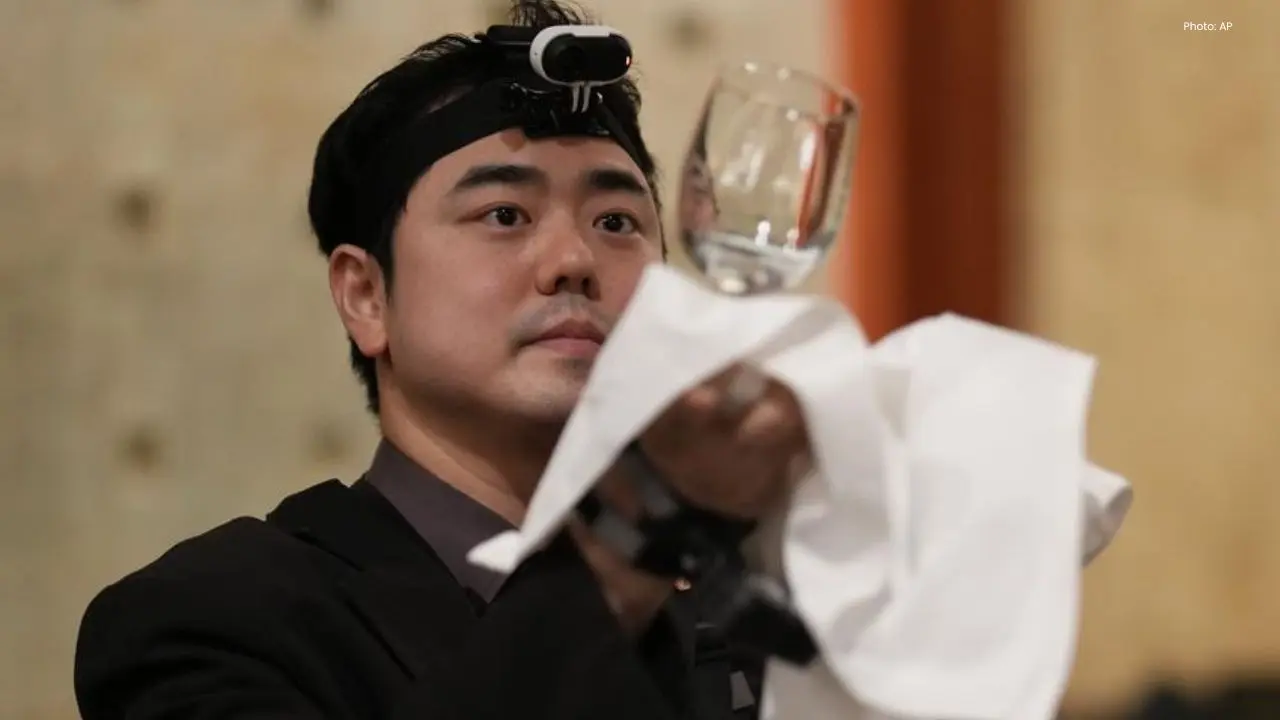
In a unique initiative at Seoul's Lotte Hotel, seasoned staff are outfitted with body cameras and motion sensors while executing their daily responsibilities. For instance, David Park demonstrated meticulous techniques in folding napkins, cleaning glasses, and setting tables. Each movement, grip, and bodily action is meticulously recorded, translating these into data that robots can eventually replicate.
Additionally, RLWRLD is capturing data from logistics teams at CJ warehouses and employees of Japan's Lawson convenience stores, focusing on how they manage packages, organize products, and handle fragile items. Engineers regard these real-world actions as essential for developing what they call “physical AI,” a new breed of robots that think, move, and respond autonomously in actual environments rather than executing monotonous factory roles.
The primary goal for the company is to create humanoid robots equipped with sophisticated five-fingered hands that can closely mimic human maneuvers. According to executives, mastering these hand movements presents one of robotics' greatest hurdles. Engineers leverage cutting-edge technology like virtual reality headsets, motion-sensing gloves, and body sensors to capture intricate details such as pressure, wrist positioning, and strength.
Recognizing the significance of physical AI, South Korea is investing substantial resources into robotics and artificial intelligence, especially as it faces demographic challenges and labor shortages. A recent government initiative aims to digitize the skills of experienced workers, creating databases for training AI resources and industrial robots.
Major corporations are also gearing up for widespread implementation of robotic systems. For example, Hyundai Motor is set to start deploying humanoid robots developed by Boston Dynamics in global factories by 2028, while Samsung Electronics plans to transition manufacturing facilities into AI-integrated spaces by 2030. Experts assert that these advances could revolutionize sectors such as manufacturing, hospitality, logistics, and healthcare.
However, the swift expansion of AI robotics prompts concerns among labor unions and workers, with some apprehensive about the potential for job displacement and the undermining of traditional skilled labor. Labor representatives in South Korea are advocating for dialogues among businesses, government, and workers to ensure that AI advancements do not jeopardize job prospects.
Nonetheless, experts in robotics maintain that human interaction will continue to hold vital importance in various industries. David Park, a hospitality staff member, conveyed that, while robots may contribute to cleaning and preparatory tasks, they will never fully replace authentic human interaction and service.
RLWRLD anticipates that industrial AI robots could be officially introduced on a large scale around 2028. With an eye toward the future, the company envisions humanoid robots assisting in households by supporting elderly individuals, managing chores, and performing daily tasks safely and effectively.