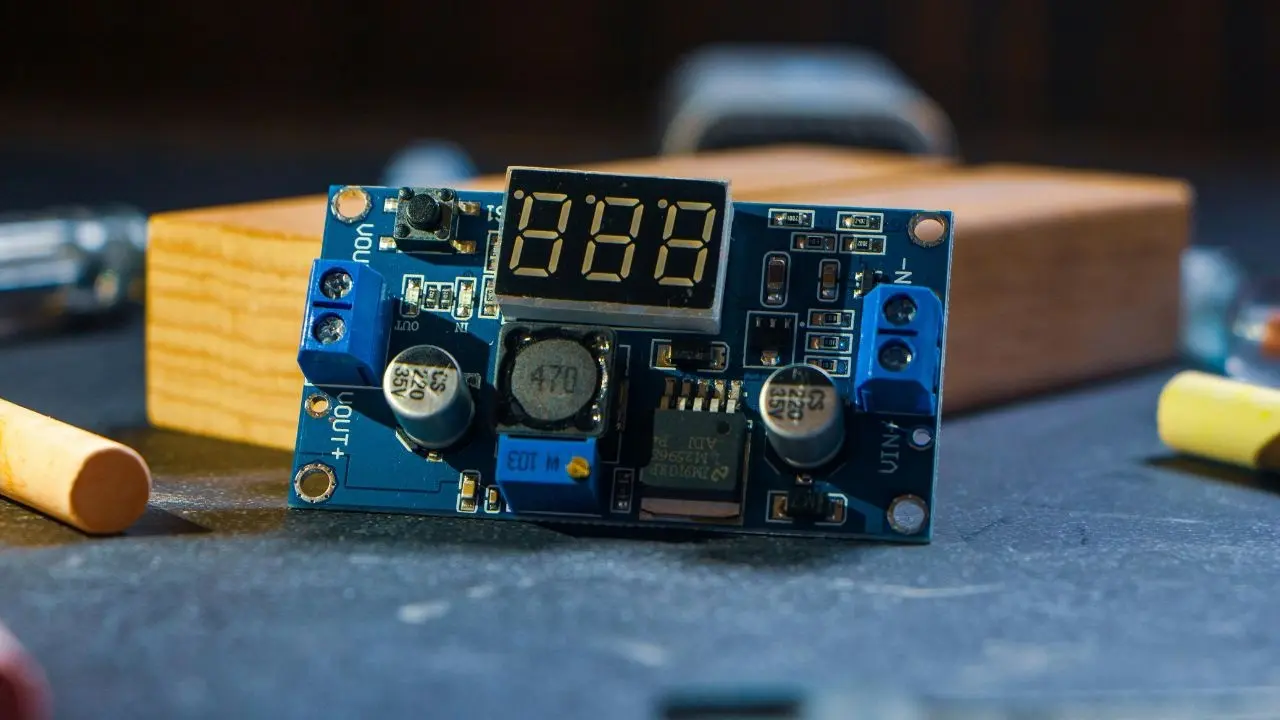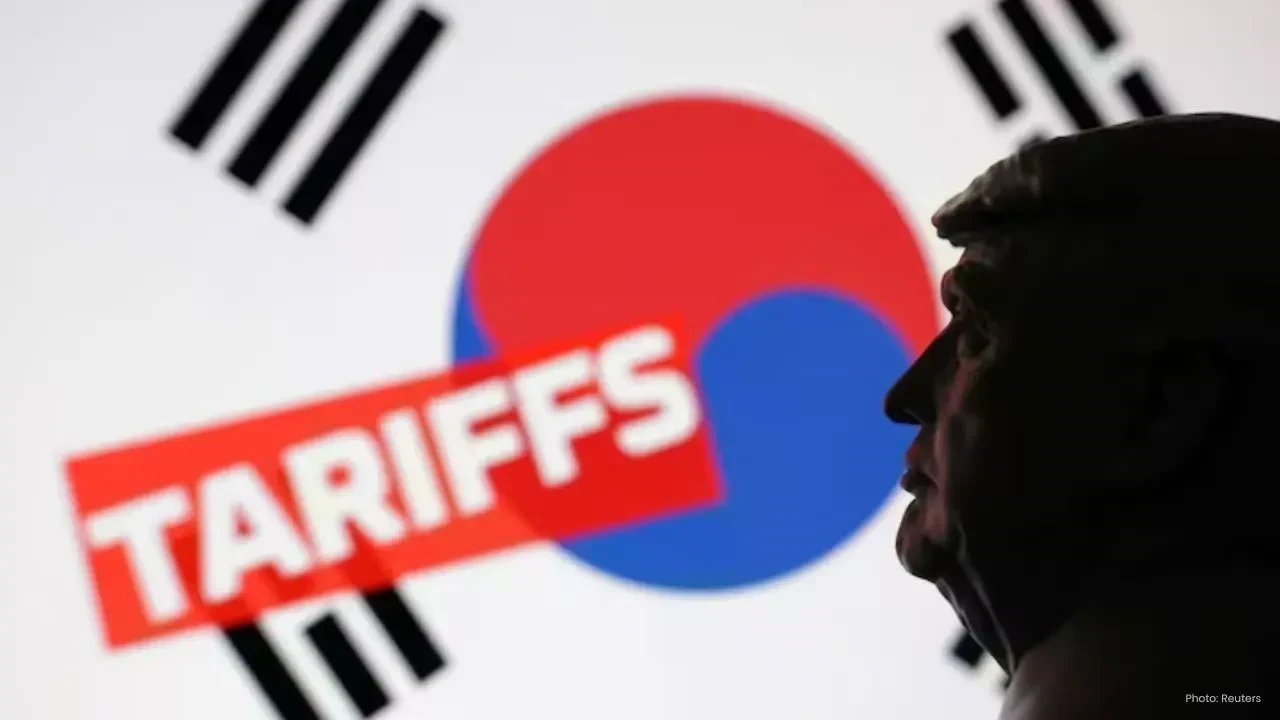
U.S. President Donald Trump has announced a new 25 percent tariff on certain advanced semiconductor chips, including Nvidia’s H200 artificial intelligence (AI) accelerators, adding fresh uncertainty to the global semiconductor supply chain.
According to a White House proclamation and fact sheet, the tariff applies to advanced computing chips such as Nvidia H200 and AMD MI325X. The move is seen as part of Washington’s broader push to strengthen domestic semiconductor manufacturing.
However, the White House clarified that the tariff will not apply to chips imported specifically to support U.S. technology supply chain development or domestic manufacturing of semiconductor-related products.
This means chips like the H200, which are manufactured in Taiwan, shipped to the United States, and later re-exported to China, will be subject to the 25 percent tariff.
The fact sheet also warned that Trump may impose broader tariffs on semiconductors and derivative products in the near future, further increasing uncertainty for the industry.
Impact on Korean Chipmakers
The announcement has prompted South Korean semiconductor companies to closely examine their exposure. The AI accelerators targeted by the tariff use high-bandwidth memory (HBM3E) supplied by SK hynix and Samsung Electronics.
Industry officials said the direct impact on Korean memory makers is limited, as most memory chips are not shipped directly to the U.S. Instead, they are sent to original equipment manufacturers (OEMs) in countries like Taiwan, where they are integrated into finished products before entering the U.S. market.
“Memory suppliers have little visibility into the final export destination of their chips,” an industry official said, adding that such tariff issues are largely handled by chipset makers like Nvidia, not memory suppliers.
South Korea also benefits from most favored nation (MFN) status on chip exports to the U.S. Under a trade agreement reached between Trump and South Korean President Lee Jae Myung in November, Seoul was assured it would not face discriminatory chip tariffs.
Cost Pressures and Market Concerns
Despite limited direct exposure, analysts warn that higher tariffs on companies like Nvidia could ripple through the supply chain, with manufacturers attempting to pass increased costs down to component suppliers.
U.S.-based Micron could be affected in the short term due to its globally spread manufacturing bases. However, as the policy is designed to support the U.S. semiconductor industry, some experts believe it could reshape the market in Micron’s favor over the long run.
“The situation is highly unpredictable,” another industry official said, pointing to Trump’s history of frequent tariff policy changes, which makes it difficult for companies to assess long-term impact.
South Korea Responds
In response, Trade Minister Yeo Han-koo extended his visit to the United States to closely examine the potential impact of the tariff on South Korea’s semiconductor industry.
The Ministry of Trade, Industry and Resources also held an emergency meeting, stating it will make all-out efforts to minimize the impact while maintaining close communication with affected industries.