China is positioning itself as a leading global arena for artificial intelligence testing, as countless people and enterprises are swiftly incorporating AI technologies into their everyday lives and work environments. This rapid embrace of AI tools is influencing future developments and global distribution of artificial intelligence.
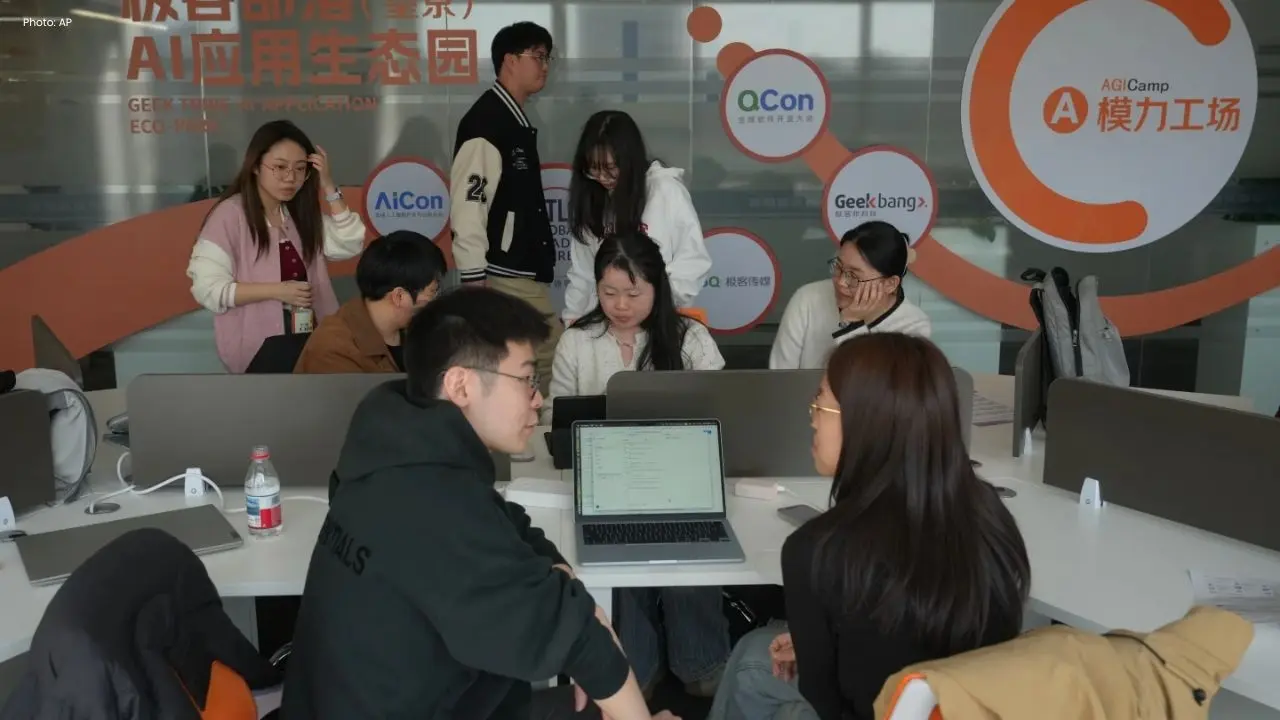
In bustling cities like Beijing and Shenzhen, throngs of attendees flock to public AI sessions where engineers demonstrate the setup and functionalities of advanced AI systems such as OpenClaw. Many individuals are proactive in familiarizing themselves with these technological advancements, fearing they might fall behind as AI steadily becomes essential in both professional and personal realms.
The surge in AI popularity across China has been significantly fueled by robust domestic models like DeepSeek. Even though U.S. firms maintain their dominance in computational capabilities, Chinese consumers and businesses are rapidly adopting AI applications. This technology is increasingly utilized for travel planning, online purchases, ride-hailing, healthcare assistance, content generation, and more across various sectors.
Reports indicate that over 600 million individuals in China harnessed generative AI technologies by the close of last year, showing a remarkable uptick from prior years. Experts concur that this swift increase is ushering China into a pivotal role in the global marketplace for testing and advancing AI innovations.
There’s a noticeable rise in Chinese companies embedding AI into their existing services and platforms. Tech behemoths are incorporating AI assistants into messaging applications, payment solutions, workflows, and customer service interfaces. AI “agents” such as OpenClaw are particularly gaining traction owing to their capacity to execute multifaceted tasks using a variety of digital resources simultaneously.
Students and young professionals heavily depend on AI systems for academic pursuits, internships, and entrepreneurial ventures. Reports suggest college students in southern China have employed AI to swiftly create promotional media, manage social channels, and even develop websites for businesses at minimal costs. Users frequently credit AI as a transformative productivity tool that conserves time and lessens manual labor.
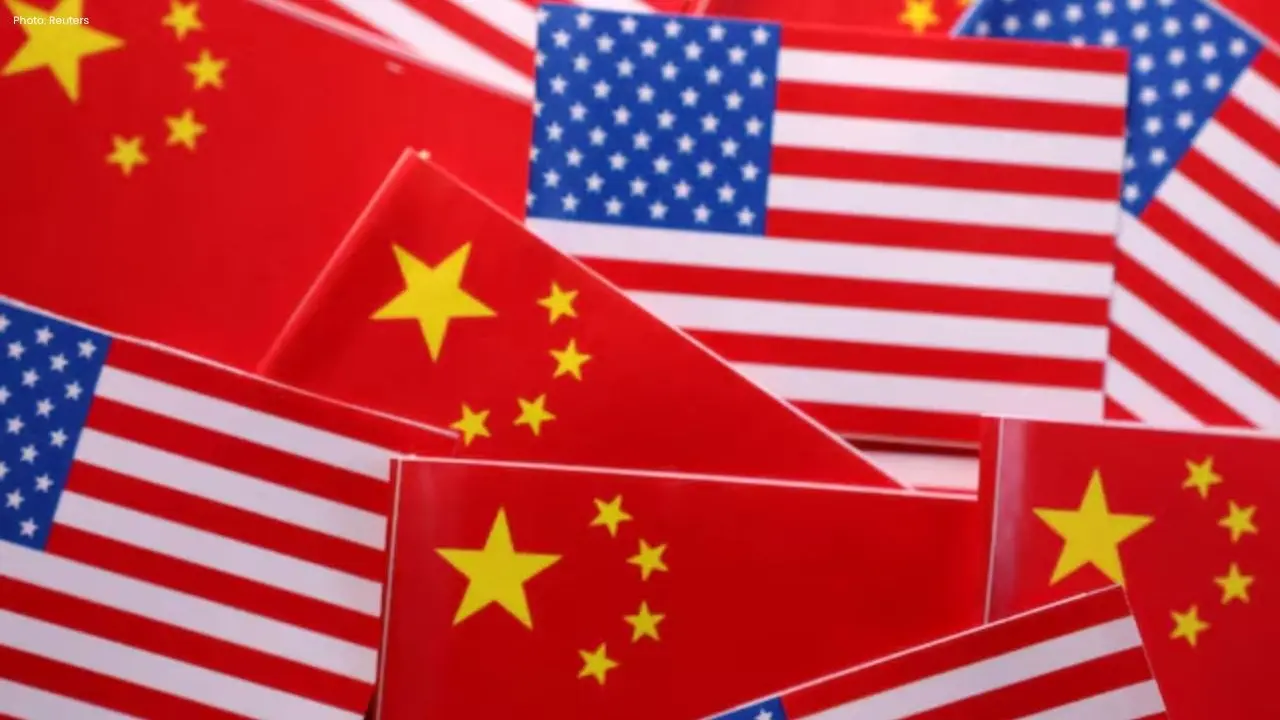
The escalating integration of AI technology has also intensified the competition between China and the United States within the technology landscape. Analysts identify a shift in focus extending beyond the AI models themselves to broader ecosystems involving applications, infrastructure, and widespread user adoption. With its vast population, China offers tech firms an avenue for conducting AI trials on an unprecedented scale under real-world conditions.
Moreover, China persists in its substantial investments in research, digital frameworks, and AI-related sectors. The government has unveiled comprehensive strategies to weave artificial intelligence into healthcare, education, manufacturing, transportation, and public services. Several governmental bodies and courts are already utilizing AI solutions to enhance productivity and expedite administrative efficiency.
However, challenges persist in China’s ambitious AI journey. U.S. restrictions on the export of advanced semiconductors create hurdles for Chinese AI firms. Despite this, analysts posit that such limitations have catalyzed China’s push towards bolstering domestic innovation, local chip production, and self-sufficient technology development.
Experts maintain that the disparity between Chinese and American AI systems is closing quickly. With AI mechanisms becoming deeply entrenched in daily life, China's large-scale trials and adaptations are likely to significantly sway the future use of artificial intelligence technologies internationally.