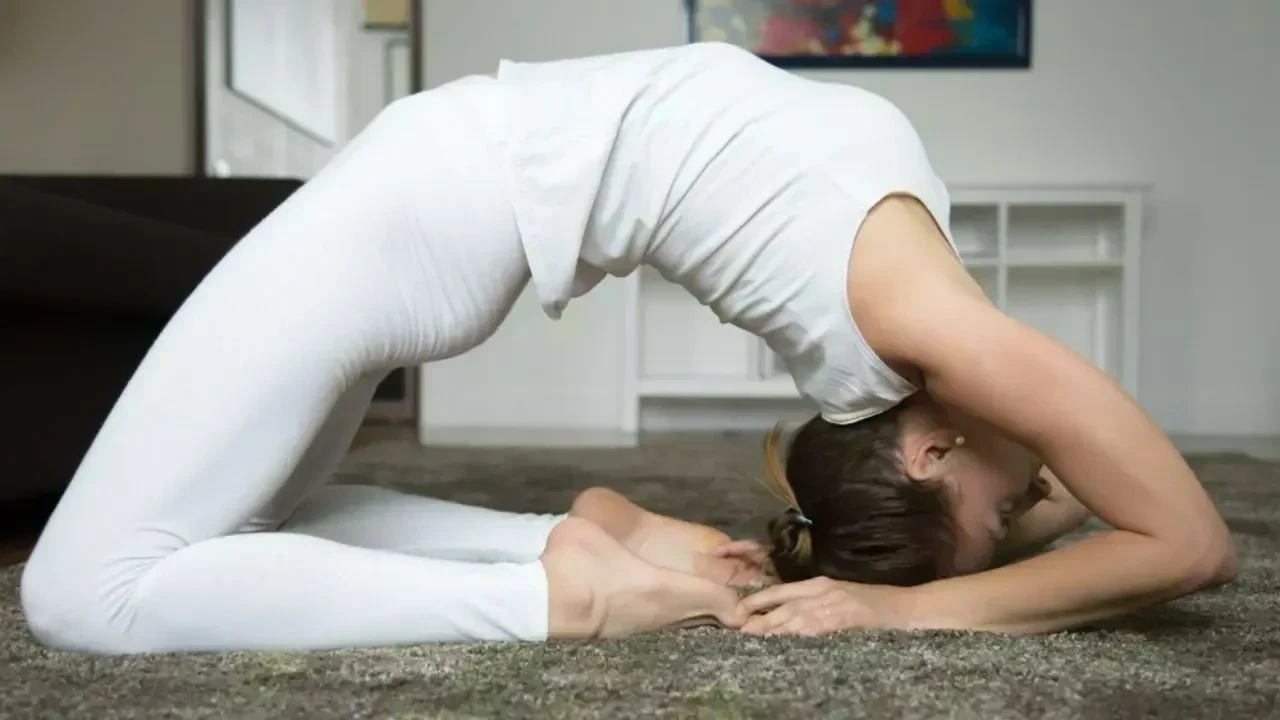
Yoga Poses for Back Pain Relief: Easy Exercises to Reduce Everyday Discomfort
Back pain has quietly become a part of daily life for many people. Long hours on the computer, constant phone use, wrong sitting habits, stress, and very little movement all put extra pressure on the spine. Whether you are a student attending classes online, an office employee sitting for long shifts, a homemaker doing household work, or someone who stands for hours, back pain can interrupt your routine and make simple tasks difficult.
The good thing is that yoga offers a natural and gentle way to ease back pain. You don’t need any equipment, and you don’t need to be an expert. Just a few minutes of simple stretching every day can relax the muscles, improve blood flow, and reduce stiffness. Yoga helps the spine become stronger and more flexible, which naturally reduces discomfort.
Below are some easy yoga poses that can help with back pain. Each pose includes clear steps and benefits so you can practise safely at home.
1. Cat–Cow Pose (Marjariasana)
This is a slow warm-up exercise for the spine. It helps loosen stiffness and improves movement in the back.
How to Do It
-
Start on your hands and knees.
-
Keep your back straight and look down.
-
While breathing in, raise your head and gently arch your back (Cow Pose).
-
While breathing out, round your spine upward and drop your head (Cat Pose).
-
Repeat this movement 10–15 times.
Why It Helps
-
Reduces tightness in the spine
-
Improves flexibility
-
Relieves pain from long hours of sitting
-
Reduces tension in the back and neck
2. Child’s Pose (Balasana)
This is a calming pose that gently stretches the back and relaxes the body.
How to Do It
-
Sit on your knees.
-
Bend forward and extend your arms on the floor.
-
Rest your forehead on the ground.
-
Stay in the position for 30 seconds to 2 minutes.
Why It Helps
-
Relaxes the lower and upper back
-
Eases shoulder and neck strain
-
Helps during stress or tiredness
-
A great pose for quick rest
3. Cobra Pose (Bhujangasana)
This pose strengthens the lower back and helps improve posture.
How to Do It
-
Lie flat on your stomach.
-
Place your hands below your shoulders.
-
Inhale and gently lift your chest.
-
Keep your elbows soft and slightly bent.
-
Hold for 10–20 seconds and release.
Why It Helps
-
Strengthens lower back muscles
-
Opens the chest and reduces slouching
-
Helps ease stiffness from sitting or leaning forward too much
4. Bridge Pose (Setu Bandhasana)
This pose works on the lower back, hips, and legs—areas that carry most of your body weight.
How to Do It
-
Lie on your back with your knees bent.
-
Keep your feet flat on the floor.
-
Lift your hips upward slowly.
-
Hold for 10–15 seconds.
-
Lower your body gently.
Why It Helps
-
Reduces pressure on the lower back
-
Strengthens the spine and hips
-
Improves blood circulation in the back
5. Knee-to-Chest Pose (Pawanmuktasana)
A very simple pose that offers quick relief to the lower back.
How to Do It
-
Lie on your back.
-
Bring one knee close to your chest and hold for 10 seconds.
-
Repeat with the other leg.
-
Then bring both knees to your chest and hug them.
-
Hold for 10–20 seconds.
Why It Helps
-
Reduces stiffness in the lower back
-
Eases gas and bloating
-
Relaxes the entire spine
6. Seated Forward Bend (Paschimottanasana)
This pose stretches the full length of the back, from the neck to the lower spine.
How to Do It
-
Sit with your legs stretched forward.
-
Keep your back straight.
-
Bend forward from your hips, not your shoulders.
-
Try to reach your feet or ankles.
-
Hold for 10–20 seconds.
Why It Helps
-
Stretches the back, legs, and shoulders
-
Reduces tightness
-
Helps improve posture
7. Mountain Pose (Tadasana)
A simple standing position that teaches proper alignment.
How to Do It
-
Stand with your feet together.
-
Raise your arms above your head.
-
Stretch your whole body upward.
-
Hold the pose for 10–15 seconds.
Why It Helps
-
Improves posture
-
Strengthens the spine
-
Reduces strain on the lower back
Safety Tips for Practicing Yoga
-
Move slowly; do not force any pose.
-
Stop immediately if you feel sharp or unusual pain.
-
Practise yoga on an empty stomach or after a gap of two hours.
-
Beginners should start with easy poses.
-
If you have a serious injury, take medical advice before starting yoga.
Why Daily Yoga Helps Reduce Back Pain
Doing yoga regularly helps you by:
-
Making the spine flexible
-
Strengthening core and back muscles
-
Improving blood flow
-
Reducing mental stress, which can worsen back pain
-
Supporting correct posture
Just 10 minutes a day can bring a big improvement over time.
Back pain can make even simple tasks feel difficult, but regular yoga can help manage and reduce this discomfort naturally. These yoga poses relax tight muscles, stretch the spine, and improve movement. Whether your back pain is due to long hours of sitting, stress, or poor posture, yoga provides a safe and effective way to find relief.
With consistency and patience, these simple exercises can help you enjoy better back health and a more active, pain-free lifestyle.
Disclaimer
The yoga poses shared in this article are meant for general guidance and mild back discomfort. They may not be suitable for individuals with serious injuries, chronic medical conditions, slipped disc, or recent surgeries. Always listen to your body and stop immediately if any pose causes pain. For persistent or severe back pain, consult a doctor or certified yoga therapist before starting any exercise routine. The publisher is not responsible for any discomfort, injury, or outcomes resulting from following these exercises.