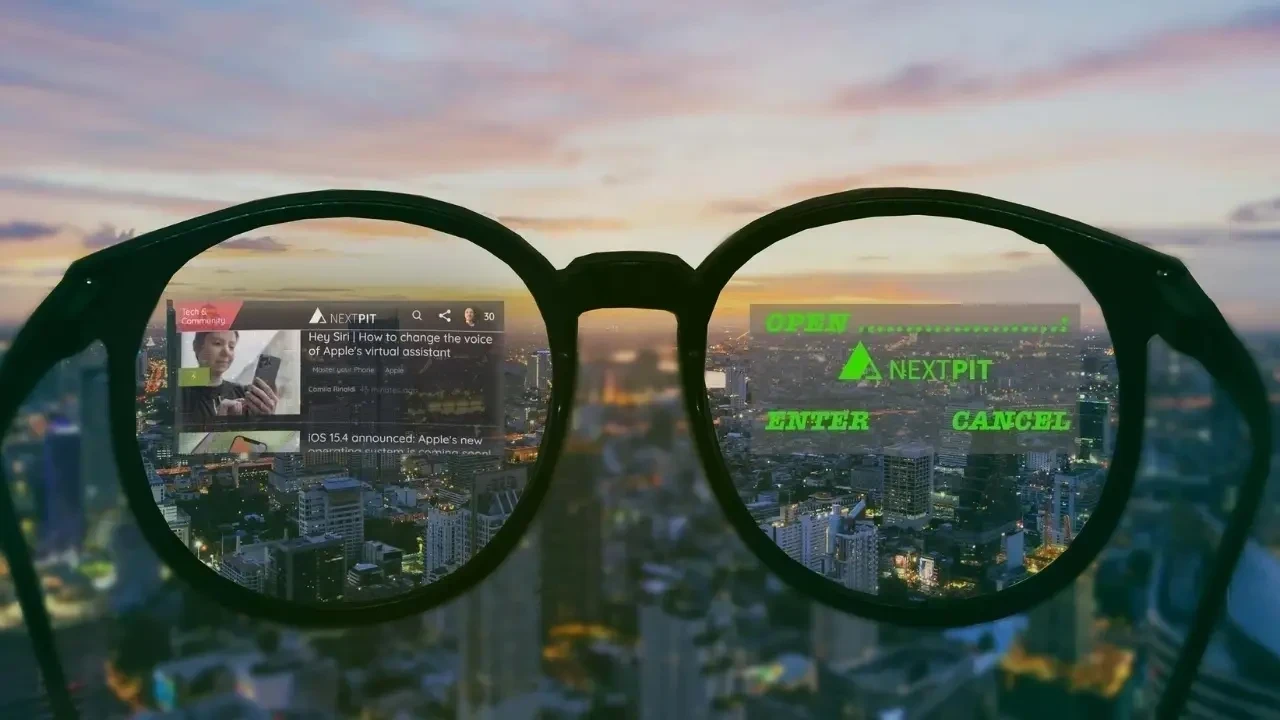
Could Smart Glasses Overtake Smartphones Soon?
Smartphones have dominated our lives for nearly 20 years, replacing various devices like cameras and maps. However, despite continual updates, innovation in this space has slowed significantly. Improvements are mostly incremental, leaving many wondering about the future of these devices.
In contrast, smart glasses are rapidly maturing, shedding their initial awkwardness, and experts predict that by 2027, they might become the new go-to tech for personal computing.
The transition will be gradual as these devices become lighter, more powerful, and more integrated into daily life. The pressing question is not whether smart glasses will replace phones, but when and how.
Defining Smart Glasses
Smart glasses resemble typical eyewear but integrate advanced technology for a range of functions, including:
-
Micro displays that project visuals in the user's sightline
-
Cameras and sensors that enhance environmental awareness
-
Microphones and speakers for hands-free interaction
-
Connectivity through Wi-Fi, Bluetooth, and cellular networks
-
Integration of AI either on-device or through the cloud
Unlike smartphones, smart glasses allow for hands-free operation via voice commands, gestures, and even eye tracking—offering a unique edge in usability.
Why Major Brands Are Investing in Smart Glasses
Tech giants are pivoting towards smart glasses as smartphones reach their limits. The next frontier in technology is clearly ambient computing—tech that dissolves seamlessly into everyday activities without demanding attention.
The race is on to create the primary interface between humans and digital content, replacing the smartphone's role in various essential tasks.
Key Technologies Making Smart Glasses Viable
AI: The Core of Smart Glasses
AI plays a pivotal role in enabling smart glasses to potentially replace smartphones. It equips these devices to comprehend context and intent, minimizing the need for user input.
Users can issue simple voice commands like:
-
“Translate this sign”
-
“Who is this person?”
-
“Summarise this message”
-
“Guide me home”
This innovation turns smart glasses into intelligent companions, enhancing user interaction significantly.
Augmented Reality: The New Interface
Smart glasses utilize augmented reality, providing digital overlays in real-world scenarios, unlike traditional smartphones with flat screens.
Examples include:
-
Navigation arrows displayed in the environment
-
Notifications appearing in the periphery
-
Live subtitles in conversations
-
Product info while shopping
This feature reduces the need to divert attention to a screen and makes interactions quicker and safer.
Enhanced Displays and Optics
Previous versions of smart glasses struggled due to bulky and dim displays. Advances in waveguides, micro-LEDs, and optics are set to create:
-
Compact designs
-
Brighter visuals
-
Greater energy efficiency
-
Near-invisibility in public
This technology will allow smart glasses to function similarly to ordinary eyewear while delivering rich digital experiences.
Battery and Processing Efficiency
Battery life has previously limited smart glasses’ practical use. New low-power chips made for wearables mean smart glasses can last all day with light batteries.
Processing tasks can be split between:
-
Local processing for speed
-
Cloud processing for heavier computations
This efficient model offers performance improvements without compromising comfort.
Core Phone Functions Handled by Smart Glasses
Voice Communication
Smart glasses already enable:
-
Bone-conduction audio for calls
-
Viewing and dictating messages
-
Real-time language translation
By 2027, traditional text-based communication might diminish in favor of context-aware voice and visual messages conveyed through smart glasses.
Smart Navigation
Maps are a staple smartphone feature. Smart glasses elevate navigation with:
-
Real-time direction display
-
Highlighting landmarks visually
-
Instant transit updates
This enhancement is especially useful when driving or exploring new places.
Capture Moments Instantly
With smart glasses, users can take photos without needing their phones. This includes:
-
Hands-free photography
-
First-person video recordings
-
Live-streaming capabilities
These features offer a compelling alternative to traditional camera devices.
Payments and Identity Verification
Smart glasses equipped with biometric systems can manage:
-
Contactless payments
-
Digital tickets and passes
-
Identity validation
This may replace the need for physically tapping a phone when making payments.
Enhancing Work Productivity
Smart glasses provide useful features in professional settings, such as:
-
Task lists visible in view
-
Notes during meetings
-
Instant document references
-
Remote support overlays
These capabilities are particularly beneficial across various industries.
2027: A Pivotal Year for Smart Glasses
A convergence of technology advancements by 2027 includes:
-
Acceptance of hardware in daily life
-
AI reaches contextual reliability
-
Battery life meets consumer expectations
-
Mature app ecosystems
-
Consumer-friendly pricing
Such changes may echo the rapid adoption trajectory of smartphones in their early years.
Tech Giants' Unique Approaches
Apple, Meta, and Google each have distinct strategies for smart glasses:
-
Apple aims for seamless integration and a premium experience
-
Meta focuses on community engagement and immersive experiences
-
Google concentrates on AI and making information readily accessible
Together, their commitment accelerates innovation in this burgeoning field.
India: A Key Player in Smart Glasses Movement
India stands to become a major market for smart glasses due to:
-
A youthful demographic
-
High mobile data consumption
-
Rising creator economy
-
Need for multilingual features
-
Urban navigation growth
Smart glasses can notably assist:
-
Gig economy workers
-
Delivery service professionals
-
Guided tours
-
Healthcare professionals
-
Students
Remaining Challenges
Privacy Issues
The use of cameras on smart glasses brings valid concerns over privacy. Ensuring public trust will require:
-
Visible recording indicators
-
Robust privacy safeguards
-
Comprehensive legal regulations
Without these assurances, user adoption may falter.
Social Acceptance
For smart glasses to become everyday tools, they must:
-
Appear normal to wear
-
Be comfortable
-
Reflect personal style
Thus, design holds equal importance to technological advancements.
Cost Considerations
Initial models are likely to be costly. For smart glasses to effectively replace smartphones, we will need:
-
Affordable pricing structures
-
Flexible financing options
-
Mass production capabilities
Will Phones Become Obsolete?
Not right away. We can expect phones to evolve into secondary devices, focused on:
-
Content-heavy use
-
Extended typing tasks
-
Backup for heavy computing needs
Smart glasses will excel in real-time interactions, reminiscent of how phones took over from desktops for quick tasks.
A Glimpse into Daily Life in 2027
-
Awake to your schedule displayed before you
-
Directions will appear as you head out
-
Messages read aloud while walking
-
Payments will be automatic
-
Capture memories in an instant
-
Your phone will rarely need to come out
This vision is unfolding from the technologies currently in development.
Final Thoughts: The Future of Wearable Tech
Smart glasses signify a pivotal shift in personal technology. As smartphones once rendered various devices obsolete, smart glasses are set to redefine our interaction with information.
By 2027, it might not be about asking if you have your phone, but rather if you have your smart glasses on.
Disclaimer:
This article serves as an informational overview and reflects ongoing trends in technology. Actual timelines for widespread adoption may vary.