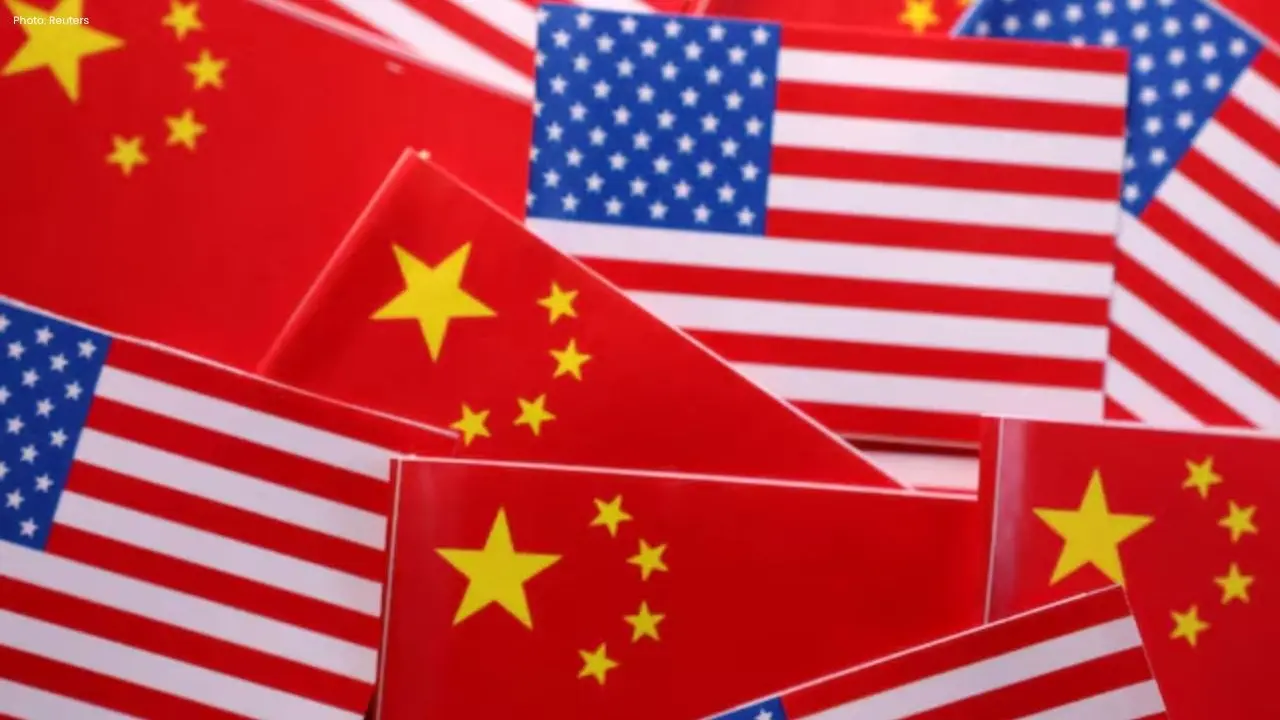
China has issued a strong rebuke against a proposed law in the United States designed to limit its access to advanced semiconductor technology, coinciding with imminent high-stakes talks between President Donald Trump and President Xi Jinping in Beijing. The legislation, dubbed the MATCH Act, is poised to become a critical discussion point for the two leading nations this week.
Introduced last month in the US Congress, the MATCH Act aims to complicate the production of cutting-edge artificial intelligence chips by Chinese firms. The law intends to restrict China’s access to essential semiconductor manufacturing tools provided by major technology nations like the US, Japan, and the Netherlands. It also advocates for stricter oversight on export licenses and maintenance services linked to chip-making equipment.
In response to the proposal, Chinese officials have condemned it as an obstruction to their technological advancement. Reports indicate that Chinese authorities have summoned US diplomats in Beijing to formally address their concerns over the legislation. Additionally, Chinese representatives have engaged with members of the US semiconductor sector in Washington earlier this year regarding these matters.
China's Ministry of Commerce cautioned that this law could significantly harm international trade and disrupt the global technology landscape. Officials accused the US of encouraging allied nations to partake in what Beijing characterizes as a technological blockade against China. Should the law pass, Chinese officials have pledged to enact necessary measures to safeguard the interests of local tech firms and manufacturers.
Facing escalating US pressure, China has already initiated new legislative approaches and counteractions that could be employed if the MATCH Act is enacted. A newly established Chinese decree allows for the listing of foreign entities or individuals on a “Malicious Entity List” if they are found to support detrimental foreign restrictions against Chinese enterprises. This development indicates that Beijing is readying itself for potential intensification in the ongoing tech rivalry with the United States.
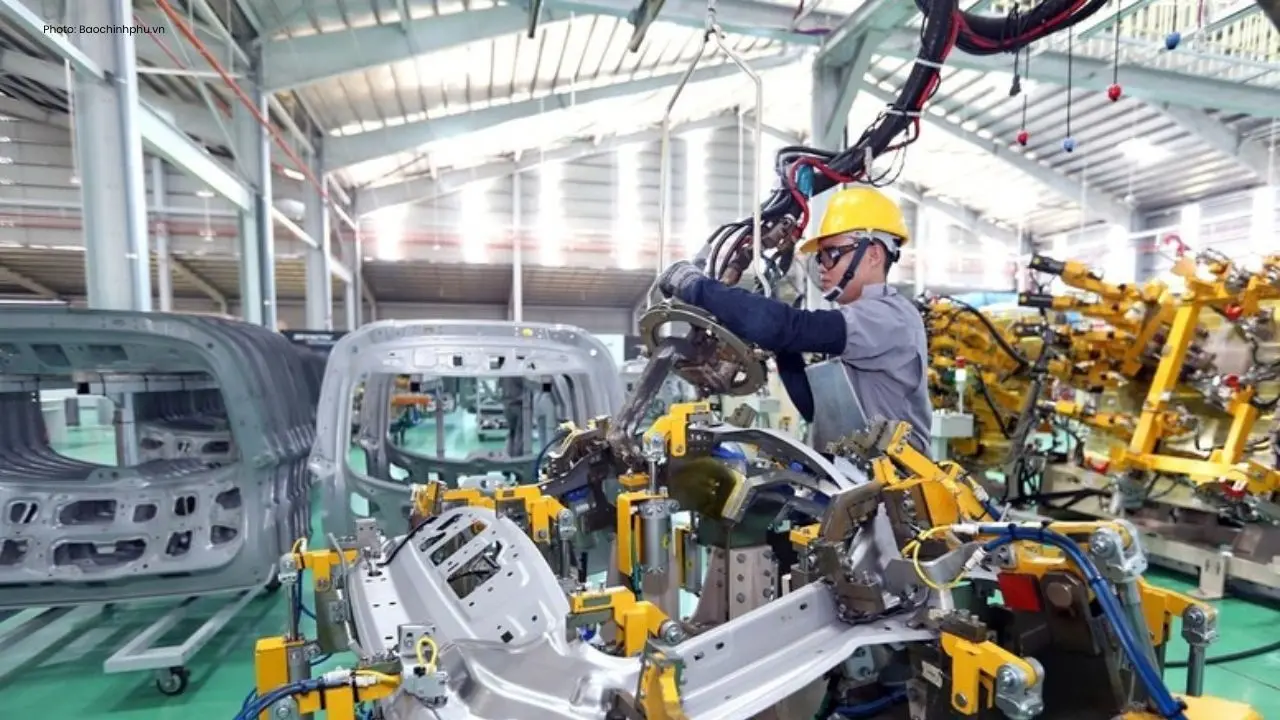
This proposed legislation might directly impact major global companies that provide semiconductor equipment to China. Key players like Dutch firm ASML and Japan's Tokyo Electron are anticipated to encounter stricter limitations if the bill advances. Their roles are crucial within the global semiconductor sphere due to their production of state-of-the-art machinery necessary for AI chip manufacturing.
The situation underscores the intensifying competition between the US and China over leadership in semiconductor technology and artificial intelligence. While the White House has yet to officially present its stance on the MATCH Act, political analysts suggest that the forthcoming discussions between Trump and Xi could significantly influence the future landscape of global tech trade. This meeting is set against a backdrop of delicate trade negotiations as both nations strive to maintain a tentative truce amid rising geopolitical and economic strife.