The United States has expressed confidence that peace talks with Iran may resume in Pakistan as a temporary ceasefire in the ongoing conflict approaches its end. The two-week truce is expected to expire within days, raising urgency for diplomatic efforts.
According to a Pakistani source involved in the discussions, there is growing momentum for talks to restart on Wednesday. The source said preparations are underway and added that US President Donald Trump could join the talks either in person or virtually if a deal is reached.
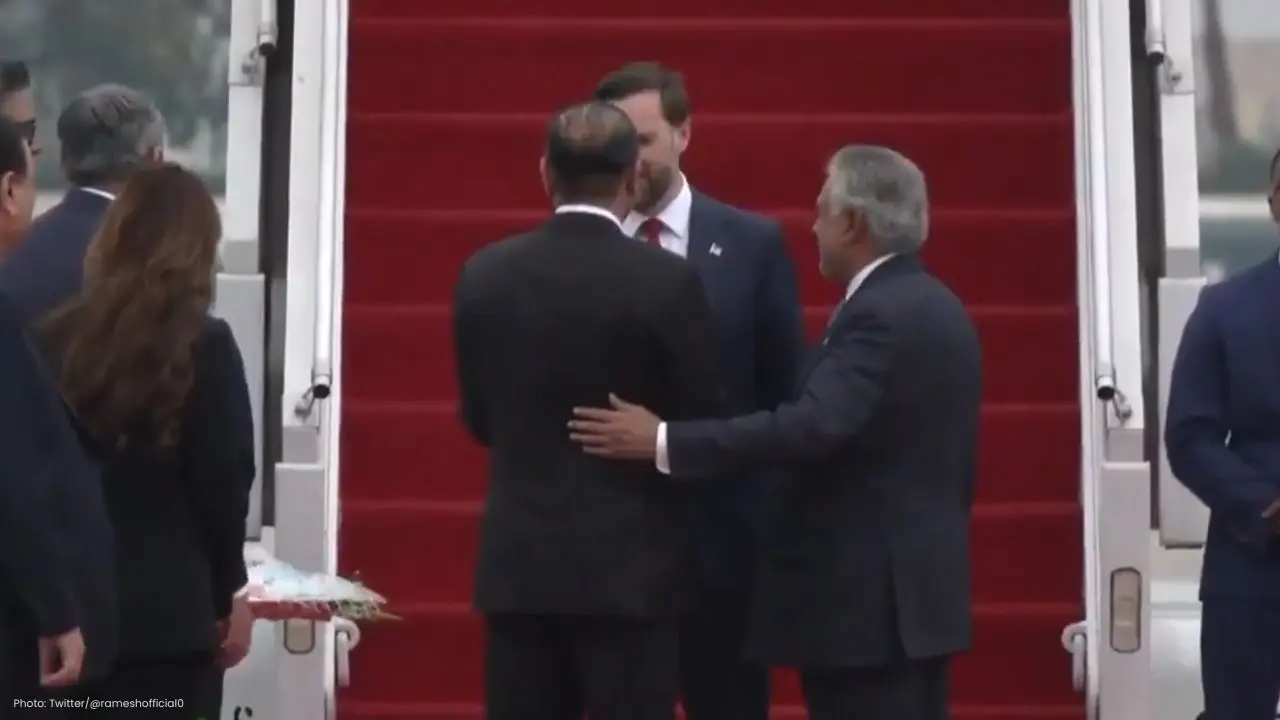
US Vice President JD Vance is also expected to travel to Pakistan for negotiations, according to media reports. Iran, however, has not fully confirmed participation. A senior Iranian official said Tehran is “positively reviewing” involvement but no final decision has been made.
Earlier discussions reportedly collapsed without agreement, though expectations of renewed talks helped global markets respond. Oil prices fell more than $1 per barrel, while Asian stock markets recovered in early trading after previous gains driven by uncertainty.
Brent crude dropped to around $94.44 per barrel, while US West Texas Intermediate fell to about $87.95. Markets had earlier surged due to fears of stalled diplomacy and rising tensions.
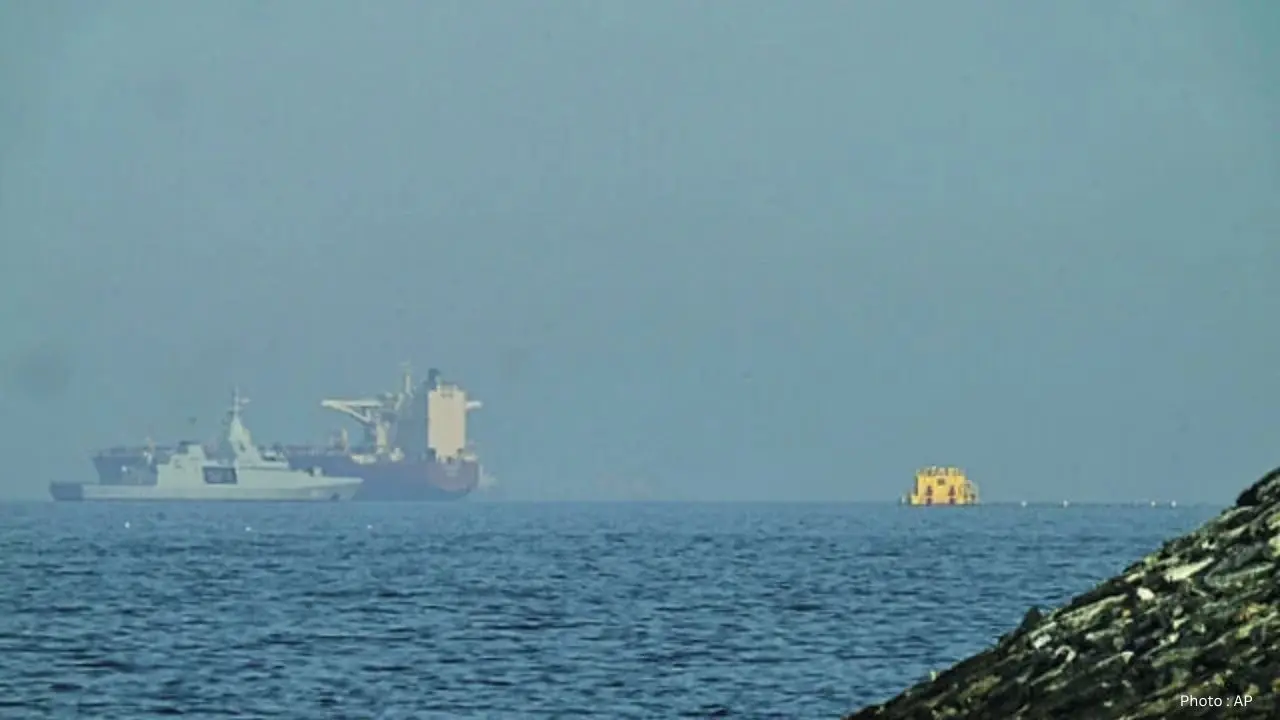
Despite diplomatic signals, tensions remain high. Iranian officials have strongly criticized the United States over recent actions, including a blockade of Iranian ports and the seizure of the Iranian commercial vessel Touska. Iran has called these actions violations of the ceasefire and obstacles to peace efforts.
A senior Iranian military commander warned of an “immediate and decisive response” to any further escalation. Iran’s ambassador to Pakistan also stated that negotiations should not take place under pressure or threats.
Iran’s foreign ministry demanded the immediate release of the seized vessel, its crew, and their families. It also warned that the United States would be responsible for any further escalation in the region.
The United States Central Command stated that the vessel ignored repeated warnings over several hours and was believed to be carrying dual-use materials. China, a major buyer of Iranian oil, has also raised concerns over the interception.
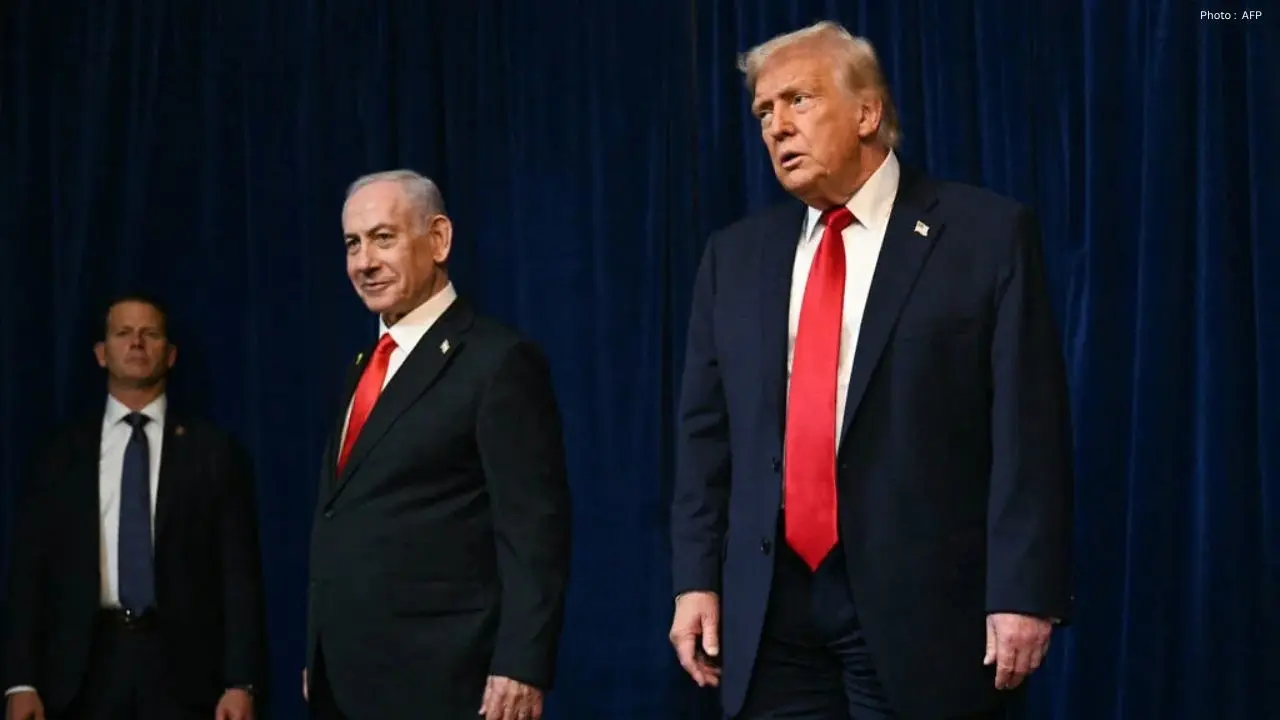
Former US President Donald Trump has said Iran must not be allowed to develop nuclear weapons, while also indicating that negotiations are expected to continue. He warned of strong consequences if Iran rejects US terms, but also said a fair agreement could help rebuild stability.
Pakistan has deployed nearly 20,000 security personnel in Islamabad ahead of the expected talks, reflecting the sensitivity of the situation. Mediators have reportedly urged Washington to ease maritime restrictions, especially in relation to the Strait of Hormuz, a key global oil route.
The situation remains uncertain as the ceasefire deadline approaches, with both sides continuing to exchange warnings while also keeping diplomatic channels open.
The United States has expressed confidence that peace talks with Iran may resume in Pakistan as a temporary ceasefire in the ongoing conflict approaches its end. The two-week truce is expected to expire within days, raising urgency for diplomatic efforts.
According to a Pakistani source involved in the discussions, there is growing momentum for talks to restart on Wednesday. The source said preparations are underway and added that US President Donald Trump could join the talks either in person or virtually if a deal is reached.
US Vice President JD Vance is also expected to travel to Pakistan for negotiations, according to media reports. Iran, however, has not fully confirmed participation. A senior Iranian official said Tehran is “positively reviewing” involvement but no final decision has been made.
Earlier discussions reportedly collapsed without agreement, though expectations of renewed talks helped global markets respond. Oil prices fell more than $1 per barrel, while Asian stock markets recovered in early trading after previous gains driven by uncertainty.
Brent crude dropped to around $94.44 per barrel, while US West Texas Intermediate fell to about $87.95. Markets had earlier surged due to fears of stalled diplomacy and rising tensions.
Despite diplomatic signals, tensions remain high. Iranian officials have strongly criticized the United States over recent actions, including a blockade of Iranian ports and the seizure of the Iranian commercial vessel Touska. Iran has called these actions violations of the ceasefire and obstacles to peace efforts.
A senior Iranian military commander warned of an “immediate and decisive response” to any further escalation. Iran’s ambassador to Pakistan also stated that negotiations should not take place under pressure or threats.
Iran’s foreign ministry demanded the immediate release of the seized vessel, its crew, and their families. It also warned that the United States would be responsible for any further escalation in the region.
The United States Central Command stated that the vessel ignored repeated warnings over several hours and was believed to be carrying dual-use materials. China, a major buyer of Iranian oil, has also raised concerns over the interception.
Former US President Donald Trump has said Iran must not be allowed to develop nuclear weapons, while also indicating that negotiations are expected to continue. He warned of strong consequences if Iran rejects US terms, but also said a fair agreement could help rebuild stability.
Pakistan has deployed nearly 20,000 security personnel in Islamabad ahead of the expected talks, reflecting the sensitivity of the situation. Mediators have reportedly urged Washington to ease maritime restrictions, especially in relation to the Strait of Hormuz, a key global oil route.
The situation remains uncertain as the ceasefire deadline approaches, with both sides continuing to exchange warnings while also keeping diplomatic channels open.