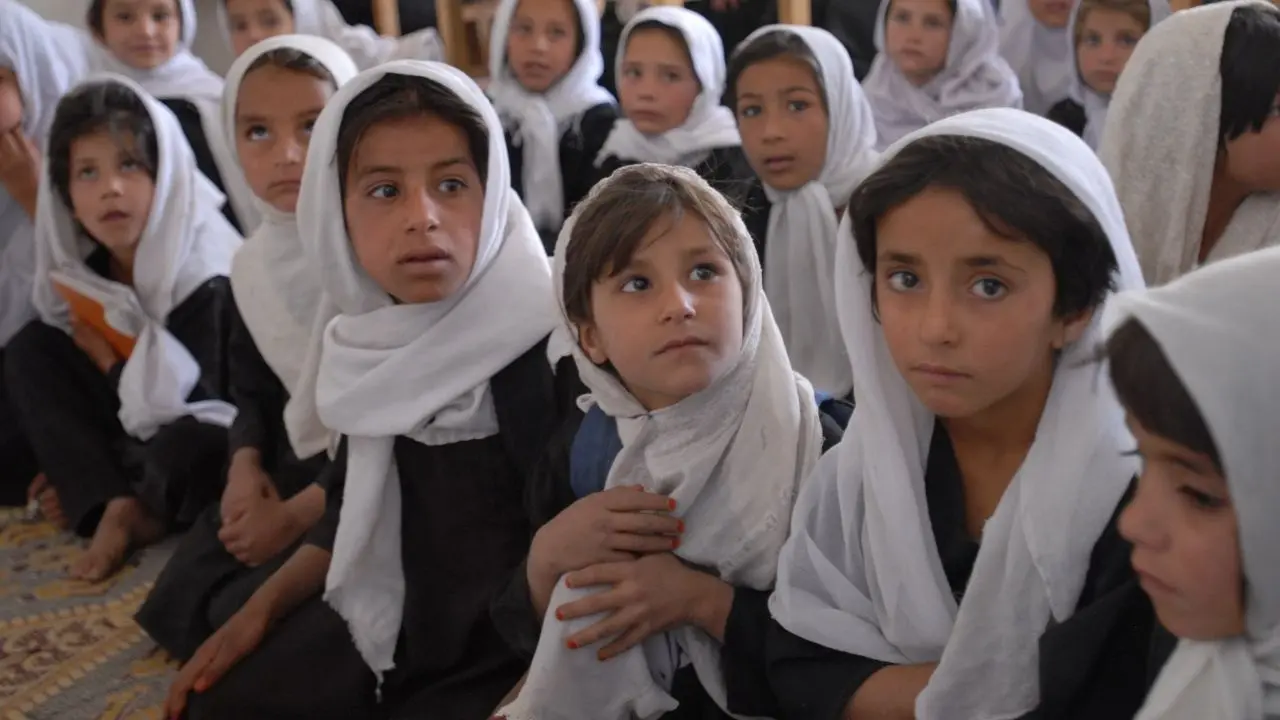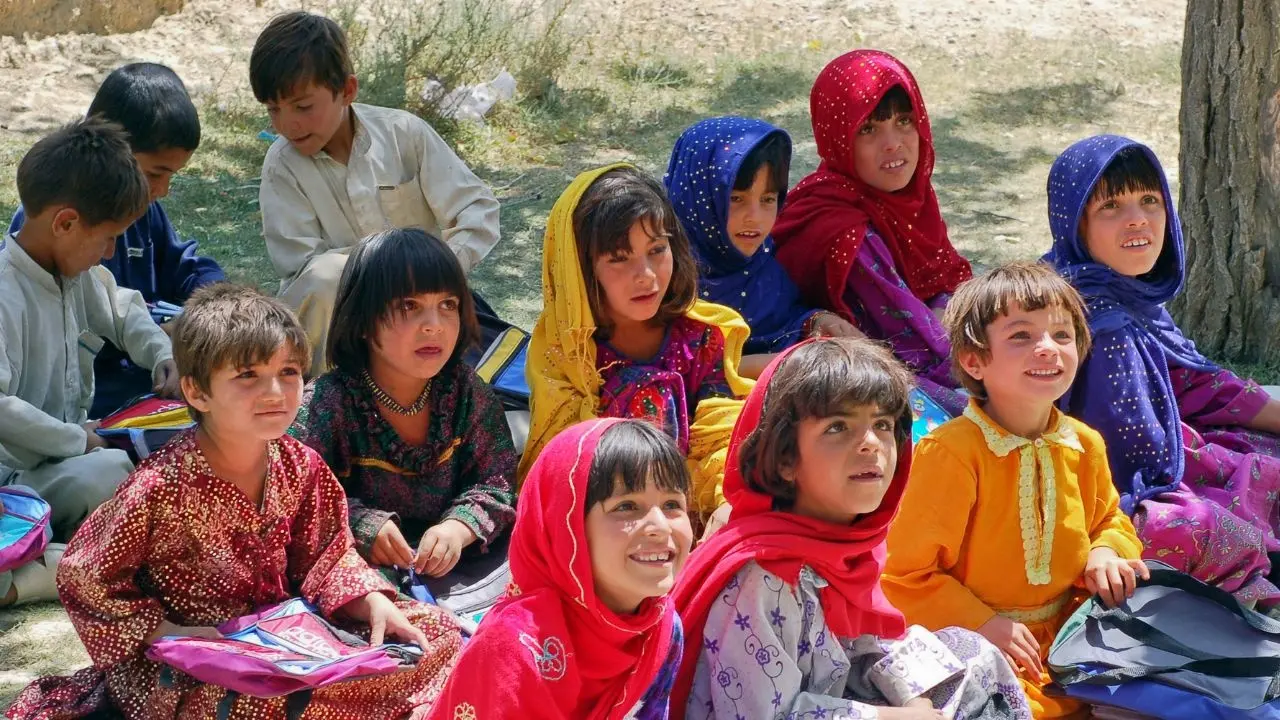
The United Nations has raised an urgent alarm regarding a newly enacted law by the Taliban in Afghanistan, which critics fear could condone child marriage and further jeopardize the rights of women and girls nationwide.
This contentious regulation, referred to as Decree No. 18, was issued by the Afghan justice ministry and provides frameworks for marital separation and family conflicts. Human rights advocates and UN representatives argue that certain provisions of this law implicitly view the silence of girls who have reached puberty as consent for marriage.
The United Nations Assistance Mission in Afghanistan emphasized that the decree raises troubling questions about genuine consent and child protection. UN officials point out that this law is part of a troubling trend of mounting restrictions on Afghan women and girls since the Taliban regained power in 2021.
While the decree articulates conditions under which young brides may annul their marriages upon reaching puberty, critics contend that the legal framework remains skewed. Men continue to have dominant authority in divorce and separation proceedings.
Women pursuing separation face daunting judicial hurdles and limited rights to legal help. The law indicates that if a husband denies a wife's divorce request, his statement may be invalidated in certain contexts, complicating a woman's quest for legal security.
In response, the Taliban has dismissed these criticisms, asserting that the decree aligns with Islamic principles. Taliban spokesperson Zabihullah Mujahid proclaimed that forced marriages are forbidden in Afghanistan, claiming authorities have examined numerous such complaints over the last year.
This situation has reignited international scrutiny regarding the well-being of women in Afghanistan. Since they assumed control, the Taliban has enacted multiple bans affecting women's lives, including prohibitions on secondary education, university attendance, various employment opportunities, and the use of public spaces.
UN officials cautioned that ongoing constraints on women’s education and societal participation could exacerbate poverty and hinder Afghanistan’s long-term development. Human rights organizations have also pressed the global community to maintain pressure on the Taliban to uphold fundamental rights for women and children.
The latest decree has spurred renewed global discussions surrounding gender equality, child protection, and legal rights in Afghanistan under Taliban governance.