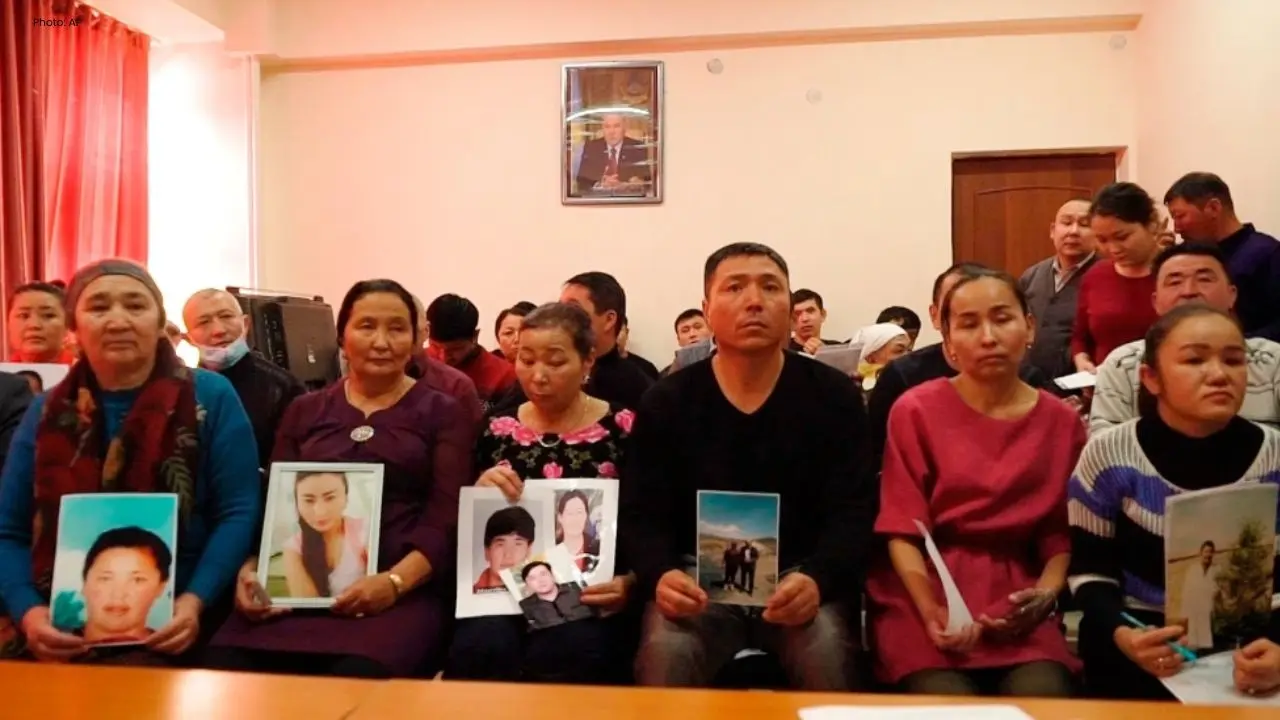
In a significant judicial move, the Kazakhstani court has sentenced 19 individuals who protested against China’s Xinjiang policies, provoking strong reactions from international human rights organizations.
These activists were involved in demonstrations near the Chinese border back in November, where they burned images of President Xi Jinping and Chinese flags while calling for the release of those detained.
Reports indicate that 11 of these protesters received five-year prison terms for inciting discord, while the remaining eight faced movement restrictions.
Organizations such as Human Rights Watch have termed this crackdown unprecedented, indicating that it reveals Kazakhstan's mounting pressure to curb dissent toward China.
The situation is part of broader issues related to China's controversial treatment of ethnic minorities in Xinjiang, sparking global scrutiny over their harsh policies.
Experts suggest that Kazakhstan, keen to maintain its economic ties with China, might be struggling to balance local public opinion with foreign relations, which has led to heightened crackdowns on dissent.
The protests were spearheaded by Atajurt, a rights advocacy group focusing on ethnic Kazakhs impacted by the policies in Xinjiang, which has previously encountered governmental pushback.
The rising tensions have raised alarms about the state of free expression in Kazakhstan, with commentators warning that such measures could stifle activism and hinder the promotion of human rights awareness.