The US Chamber of Commerce has filed a federal lawsuit in Washington DC against the Trump administration, challenging the recently announced $100,000 annual fee for new H-1B visa applications. The Chamber claims the fee is unlawful and would place a heavy burden on American businesses.
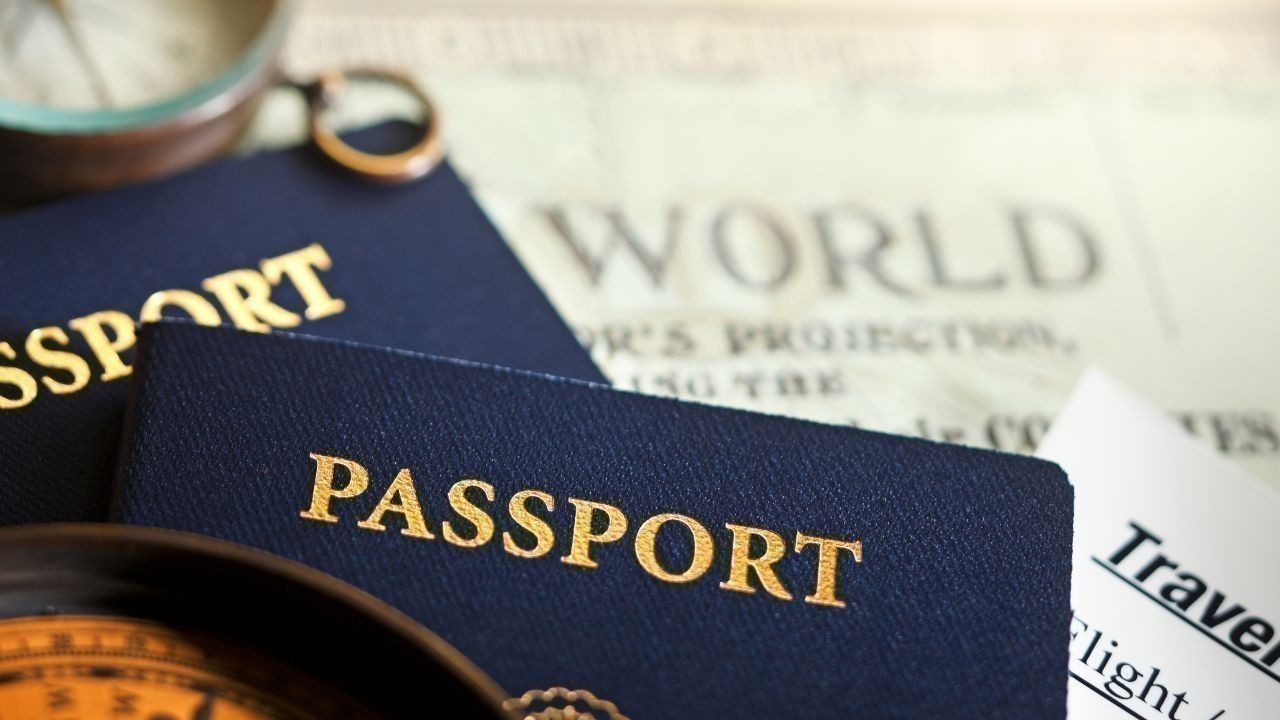
The H-1B visa program, primarily used by tech companies to hire highly skilled foreign workers, has long been a critical pathway for filling positions in technology, healthcare, and education sectors. While most H-1B approvals go to Indian nationals, the program also supports other professionals, including teachers and doctors.
The lawsuit argues that the fee exceeds the executive branch’s authority and contradicts existing immigration laws, which require visa fees to reflect the actual costs incurred by the government in processing applications. Historically, H-1B visa applications have cost less than $3,600. The new $100,000 fee would dramatically increase costs for employers and could discourage hiring highly skilled workers from abroad.
Stay informed with the latest news. Follow DXB News Network on WhatsApp Channel
The Trump administration justified the fee as a measure to prevent companies from replacing American workers with lower-cost overseas talent. Officials have since clarified that existing visa holders would be exempt and offered a process for employers to request exemptions for new hires.
H-1B visas are usually allocated through a lottery system, with companies like Amazon, Microsoft, Google, and Tata Consultancy consistently receiving large numbers of approvals. Critics of the program argue that many visas go to entry-level roles rather than positions requiring specialized skills, which can indirectly reduce wages for certain US workers.
The $100,000 fee is set to expire after a year but could be extended depending on government assessments of national interest. The outcome of the lawsuit could have a lasting impact on how the H-1B program is administered and the broader technology and education workforce in the United States.