As the anticipated summit between U.S. President Donald Trump and Chinese President Xi Jinping approaches, discussions are intensifying around a potential agricultural trade agreement. However, analysts caution that a decrease in China’s soybean demand could limit the benefits for U.S. farmers.
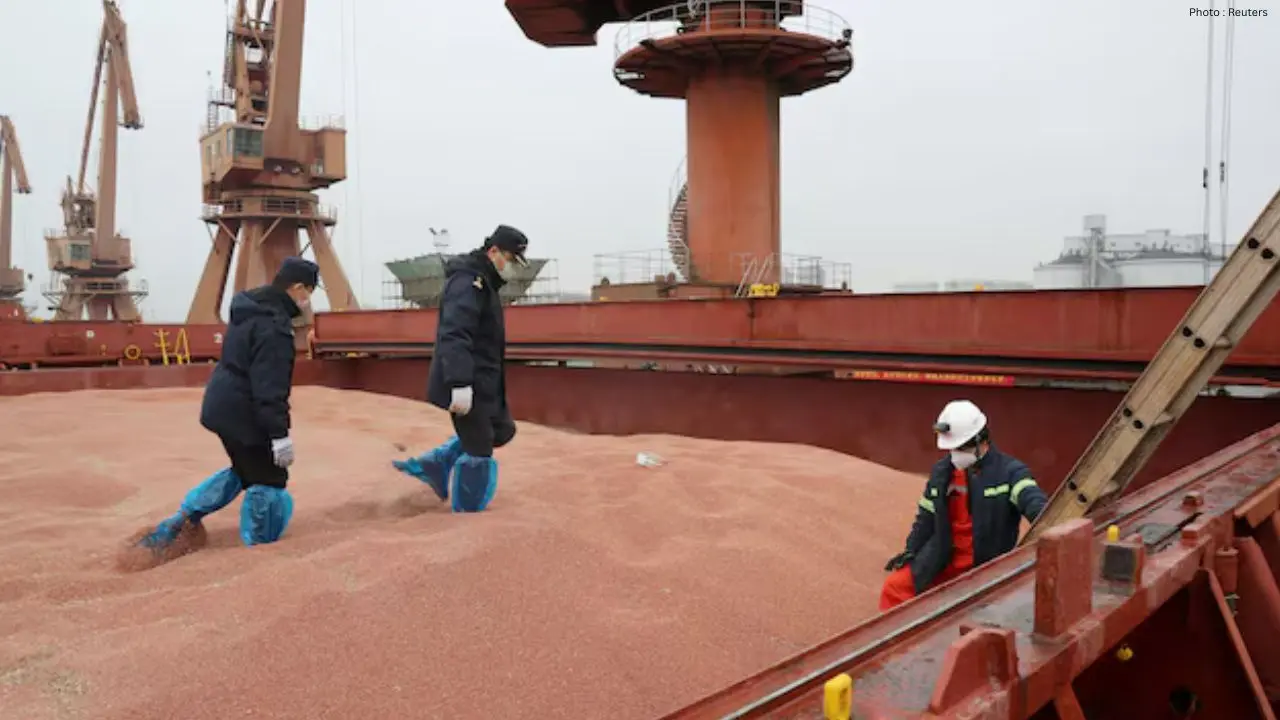
Reports indicate that U.S. officials are optimistic about securing more Chinese purchases of American agricultural goods, particularly soybeans. This trade has historically been crucial for American farmers, who viewed China as a dominant export destination prior to escalating trade tensions.
Soybeans represent a vital segment of U.S. agricultural exports, finding usage across various industries from animal feed to cooking oil. China has traditionally been a significant importer to support its expansive livestock and food production sectors.
However, recent trends show a decline in China’s soybean demand driven by slower economic growth and shifts in consumer preferences. Experts suggest that the country might not require the same import levels as before.
Moreover, China has begun diversifying its import sources, favoring suppliers like Brazil and Argentina to lessen its dependency on U.S. agricultural products. Brazil currently stands as China's primary soybean provider, which could provide Beijing with more leverage in trade discussions with the U.S.
This potential agreement emerges as both nations strive to mend rocky relations following a series of trade conflicts. Recent tariff disputes have negatively impacted various sectors including businesses and farmers, warranting a fresh start in trade negotiations.
For President Trump, achieving a new farm agreement could bolster support from agricultural communities ahead of upcoming elections. Key farming states remain a crucial aspect of his political strategy, and soybean exports are a focal point for many farmers.
Conversely, China may employ modest agricultural purchases as bargaining chips in broader negotiations concerning technology, tariffs, and access to international markets. Experts believe that Beijing will likely remain cautious about making substantial commitments given the domestic demand outlook.
The trade interdependence between the U.S. and China holds significant implications for the global economy. As two of the largest markets, their trade relations inherently influence international commerce, shipping, manufacturing, and financial markets.
Even in the event of reaching a soybean deal, analysts doubt it will bring back the previous trade volumes, as global agriculture dynamics have shifted over recent years, providing China with additional sourcing options.
This scenario illustrates the intricate ties between economics and politics in global trade, where agricultural exports transcend mere commodity transactions and entwine with diplomacy and strategic interests among major powers.
American farmers are holding out hope for enhanced export prospects, navigating through years of unpredictability marked by tariffs and shifting global conditions. There is a recognized necessity for stable trade relations with China to safeguard the future of U.S. agriculture.
On the flip side, Chinese authorities are anticipated to tread cautiously as they confront concerns surrounding economic deceleration and endeavors to fortify domestic markets. Beijing seeks to achieve a fine balance between trade collaboration and long-term autonomy.
The upcoming Trump-Xi summit may yield some favorable outcomes, yet experts emphasize that significant disparities still exist. Issues including trade, technology, Taiwan, and geopolitical influence continue to sow discord between Washington and Beijing.
Presently, any prospective soybean agreement may provide limited financial respite, not a comprehensive revival of U.S.-China relations. Nonetheless, the summit will be a focal point as the decisions made could have profound implications for global trade and economic stability for years to come.