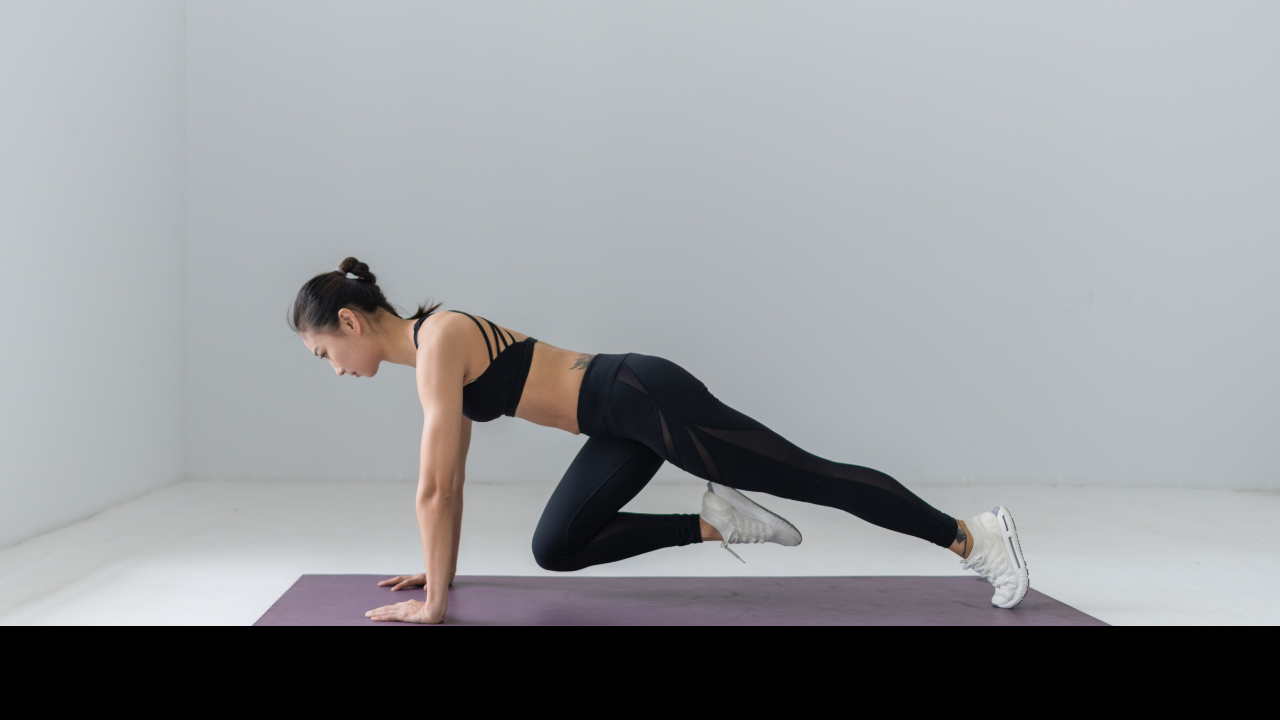
No-Gym, No-Problem: The Ultimate Bodyweight Workout Plan
Disclaimer
This article is for informational and educational purposes only. Always consult a healthcare professional or certified fitness trainer before starting any new exercise routine, especially if you have pre-existing health conditions or injuries.
Introduction
You don’t need a gym membership or fancy equipment to get fit. In fact, some of the most effective exercises require nothing but your own bodyweight.
Whether you’re at home, traveling, or simply avoiding crowded fitness centers, this no-gym workout plan helps you build strength, endurance, and flexibility—without spending a rupee or stepping outside.
Let’s dive into the science, structure, and strategy behind the ultimate bodyweight workout plan designed for results.
Why Bodyweight Training Works
Bodyweight workouts use functional movements—exercises that mimic real-life actions like pushing, pulling, and squatting. This not only builds lean muscle but also improves mobility, balance, and coordination.
Key Benefits Include:
-
Build strength naturally: Engage multiple muscle groups at once.
-
Boost endurance: Improve cardiovascular health and stamina.
-
Improve flexibility: Dynamic body movements enhance mobility and joint stability.
-
No equipment required: Workout anywhere, anytime.
-
Low injury risk: Easier on joints than heavy weight training when performed correctly.
This makes bodyweight training perfect for everyone—from beginners to fitness enthusiasts.
The Core Principle: Progressive Overload Without Weights
Just like in the gym, you need to progressively challenge your muscles to grow stronger.
With bodyweight exercises, you can increase difficulty by:
-
Adding reps or sets
-
Slowing down movement tempo (time under tension)
-
Reducing rest time
-
Trying harder variations (like moving from knee push-ups to full push-ups)
The goal is simple: push your limits gradually, without compromising form.
The Ultimate Bodyweight Workout Plan
This 5-day split balances strength, endurance, and recovery. You can repeat it weekly and adjust intensity as you advance.
Day 1: Upper Body Strength (Push Focus)
Goal: Build strong chest, shoulders, and triceps.
Workout:
-
Push-ups – 4 sets of 12–15 reps
-
Incline Push-ups (hands on bench or wall) – 3 sets of 15 reps
-
Dips (use sturdy chair or surface) – 3 sets of 10–12 reps
-
Pike Push-ups (for shoulders) – 3 sets of 10 reps
-
Plank Shoulder Taps – 3 sets of 30 seconds
Tip: Maintain a straight body line and control each rep for maximum muscle activation.
Day 2: Lower Body Power (Legs & Glutes)
Goal: Strengthen legs, improve stability, and build lower body endurance.
Workout:
-
Bodyweight Squats – 4 sets of 20 reps
-
Lunges (each leg) – 3 sets of 15 reps
-
Glute Bridges – 3 sets of 20 reps
-
Wall Sit – 3 rounds of 45 seconds
-
Calf Raises – 4 sets of 25 reps
Tip: Focus on slow, controlled movements. Add a jump to squats for explosive power.
Day 3: Core & Mobility
Goal: Strengthen the core while improving flexibility and posture.
Workout:
-
Forearm Plank – 3 rounds of 45 seconds
-
Mountain Climbers – 3 sets of 30 seconds
-
Flutter Kicks – 3 sets of 20 reps
-
Leg Raises – 3 sets of 15 reps
-
Bird-Dog – 3 sets of 12 reps per side
Finish with 10 minutes of yoga-inspired stretches to loosen up tight hips, back, and shoulders.
Day 4: Total Body Burn (Cardio & Conditioning)
Goal: Boost heart rate and burn calories efficiently.
Circuit (Repeat 3–4 rounds):
-
Jumping Jacks – 45 seconds
-
Push-ups – 15 reps
-
Squat Jumps – 20 reps
-
High Knees – 45 seconds
-
Burpees – 10 reps
-
Plank – 1 minute
Tip: Rest for 1 minute between circuits. This mimics a HIIT-style workout—great for fat burning and endurance.
Day 5: Active Recovery & Stretch
Goal: Support recovery, flexibility, and relaxation.
Routine:
-
10-minute brisk walk or light jog
-
Dynamic stretches (arm swings, leg swings, torso rotations)
-
Static stretches (hamstrings, hips, back, chest)
-
Deep breathing or guided meditation
Tip: Never skip recovery. Your muscles grow and repair during rest days, not just workouts.
Weekly Schedule Example
| Day | Focus |
|---|---|
| Monday | Upper Body Strength |
| Tuesday | Lower Body Power |
| Wednesday | Core & Mobility |
| Thursday | Cardio & Conditioning |
| Friday | Active Recovery |
| Saturday | Optional Light Workout |
| Sunday | Rest |
Bonus: How to Stay Motivated Without a Gym
-
Set small goals: Track progress weekly—like holding a plank for 10 seconds longer.
-
Use music or timers: Keeps rhythm and energy consistent.
-
Find a workout partner or group: Accountability improves consistency.
-
Celebrate wins: Every push-up or squat adds up to long-term transformation.
Remember: discipline beats motivation. Even short, consistent workouts outperform occasional intense sessions.
Fueling Your Progress: Nutrition Tips
Bodyweight training delivers results only when supported by good nutrition.
-
Prioritize protein: Lean meats, eggs, tofu, or legumes aid muscle recovery.
-
Stay hydrated: Dehydration reduces performance and energy levels.
-
Eat whole foods: Avoid processed snacks; opt for complex carbs and healthy fats.
-
Rest adequately: Sleep is your best recovery tool.
Conclusion
Building strength doesn’t require weights or machines—it requires commitment, consistency, and smart training.
This ultimate bodyweight workout plan empowers you to take control of your fitness journey anywhere—your living room, a park, or a hotel room.
Start today, track your progress, and watch how your energy, posture, and confidence transform—no gym required.