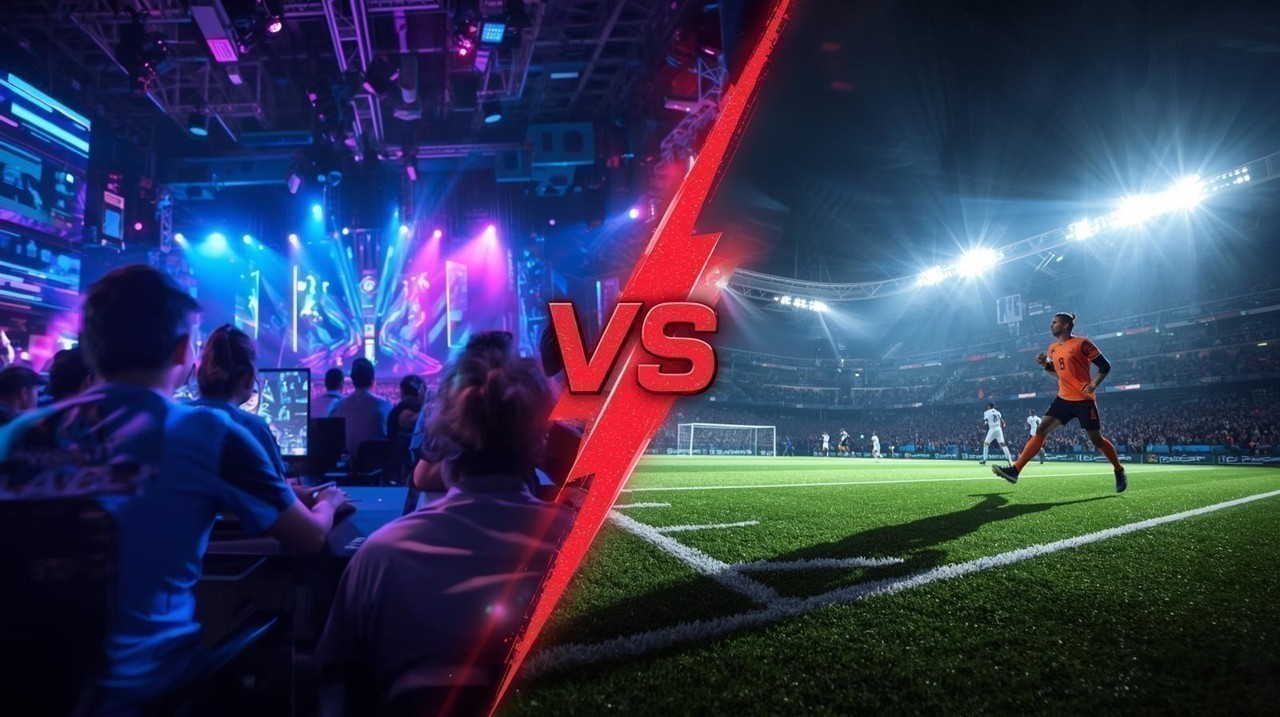
The Global Rise of Esports: Can Gaming Really Beat Traditional Sports?
What is Esports?
Esports, short for electronic sports, is organized competitive gaming. Players compete individually or in teams in video games. Popular esports titles include League of Legends, Dota 2, Counter-Strike: Global Offensive, Fortnite, and FIFA. Unlike casual gaming at home, esports involves professional players, coaches, and tournaments. Matches are broadcast online or in stadiums, attracting thousands of viewers in person and millions online. Platforms like Twitch, YouTube Gaming, and Facebook Gaming allow fans to follow their favorite teams. Esports is now a global industry.
The Explosive Growth of Esports
Esports has grown faster than many expected. Key statistics:
-
Global audience: Over 600 million people follow esports today, expected to exceed 700 million by 2025.
-
Revenue: The esports industry generated $1.3 billion in 2023, primarily from sponsorships, media rights, advertising, and ticket sales.
-
Prize money: Top tournaments offer millions of dollars in prizes, rivaling traditional sports competitions.
This growth is fueled by better internet connections, accessible gaming devices, and the mainstream acceptance of gaming as entertainment. Some tournaments now fill large arenas, similar to football or basketball events.
Why Esports Appeals to People
Esports has unique advantages that explain its popularity:
-
Accessibility: Anyone with a computer or console can participate or watch.
-
Global reach: Online streaming lets people from different countries watch matches live.
-
Interactive experience: Offers real-time stats, live chats, and immersive gameplay.
-
Youth appeal: Attracts younger generations who grew up gaming.
-
Community: Fans form strong online communities and celebrate victories together.
How Esports is Different from Traditional Sports
While esports shares some elements with traditional sports—teams, tournaments, professional athletes—it has key differences:
-
Physical activity: Traditional sports rely on strength and endurance, esports requires strategy, focus, and quick reflexes.
-
Age of players: Pro gamers peak younger, usually late teens to early twenties. Traditional athletes can play at a high level into their thirties or forties.
-
Equipment: Esports players need computers, gaming consoles, and high-speed internet instead of stadiums and balls.
-
Career longevity: Gaming careers are shorter due to physical and mental strain.
Challenges Facing Esports
Despite rapid growth, esports faces challenges:
-
Physical engagement: Many people value sports for physical activity, something esports cannot provide.
-
Regulation: Rules, player contracts, anti-cheating measures, and doping regulations are still developing.
-
Public perception: Some see esports as “just games,” limiting sponsorships and mainstream recognition.
-
Mental strain: Long hours and high stress lead to burnout and shorter careers.
-
Revenue dependency: Esports relies heavily on sponsorships and streaming revenue.
Can Esports Beat Traditional Sports?
In viewership and revenue, esports is catching up, especially among younger audiences. Many teens and young adults prefer esports streams over traditional sports. However, traditional sports have emotional connection and cultural significance that esports cannot yet match.
Experts predict a hybrid future:
-
NBA and FIFA organize esports tournaments alongside traditional leagues.
-
Football clubs have esports teams, merging gaming with real-world sports branding.
-
Hybrid events combining live sports and esports are emerging.
Esports may not replace traditional sports but will coexist and complement them, creating a broader entertainment ecosystem.
The Role of Technology in Esports
Technology drives the growth of esports:
-
Streaming platforms: Twitch, YouTube Gaming, and Facebook Gaming allow fans to watch live anywhere.
-
High-speed internet: Enables smooth global tournaments without lag.
-
VR and AR: Virtual and augmented reality create a more immersive experience.
-
Analytics tools: Players use data analysis to improve strategy and performance.
Technology makes esports accessible, interactive, and exciting.
Esports and Education
Esports impacts education and careers:
-
Some universities offer esports scholarships.
-
Schools introduce gaming clubs and programs to teach teamwork, strategy, and communication.
-
Careers include coaching, streaming, event management, and game development.
Esports is a legitimate career path, offering financial and professional opportunities.
Conclusion
Esports is a rapidly growing global industry with millions of fans, high revenue, and professional players making a mark worldwide. While it may not replace traditional sports, esports is changing the way we view competition, entertainment, and careers. Its accessibility, global reach, and tech-driven experience appeal to younger generations. With investments, educational opportunities, and hybrid collaborations with traditional sports, esports is here to stay.
Whether you’re a gamer, fan, or curious about entertainment trends, esports represents one of the most exciting developments in modern sports and digital culture.
FAQs
1. What games are considered esports? Popular esports games include League of Legends, Dota 2, Fortnite, Counter-Strike: Global Offensive, FIFA, and Call of Duty.
2. How much money do professional esports players make? Top players can earn millions annually through tournament prizes, sponsorships, and streaming.
3. Can esports become an Olympic sport? The debate continues. While esports require skill and teamwork, the Olympic Committee has not officially recognized it.
4. Is esports only for young people? No. While younger generations dominate, esports is growing across all age groups.
5. How can I get started in esports? Play competitive games, join local or online tournaments, stream gameplay, and connect with the esports community online.