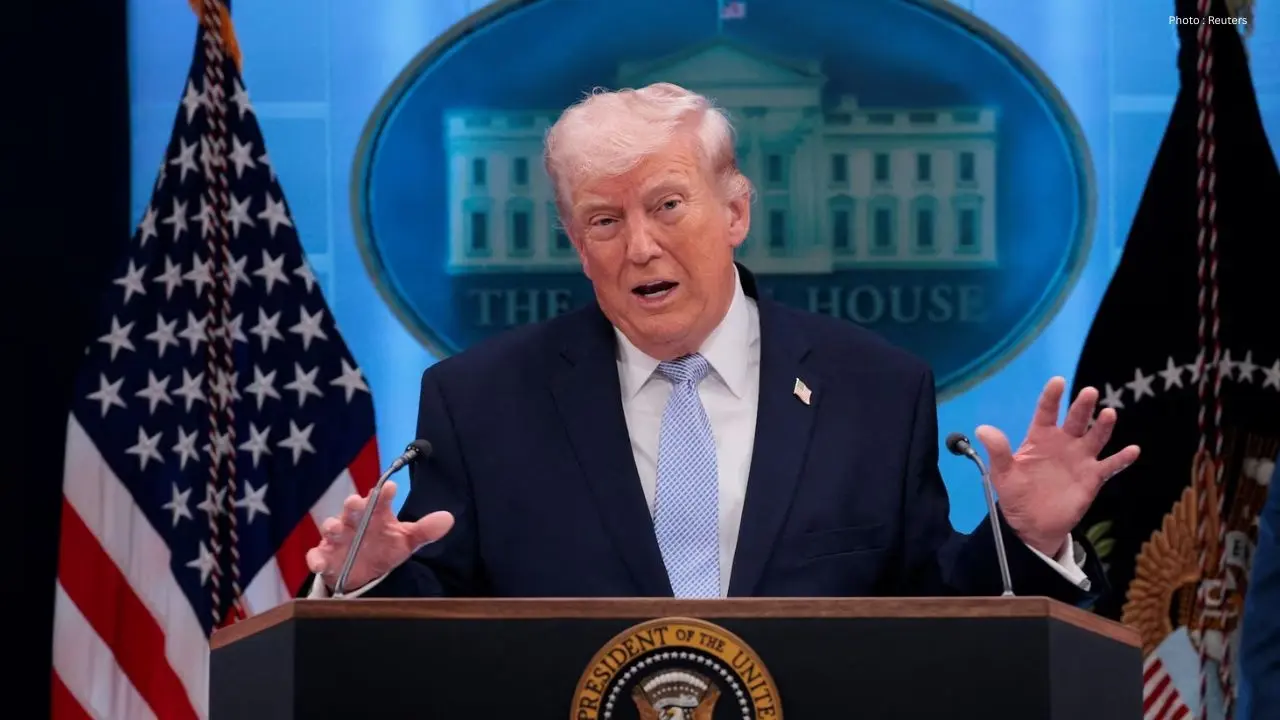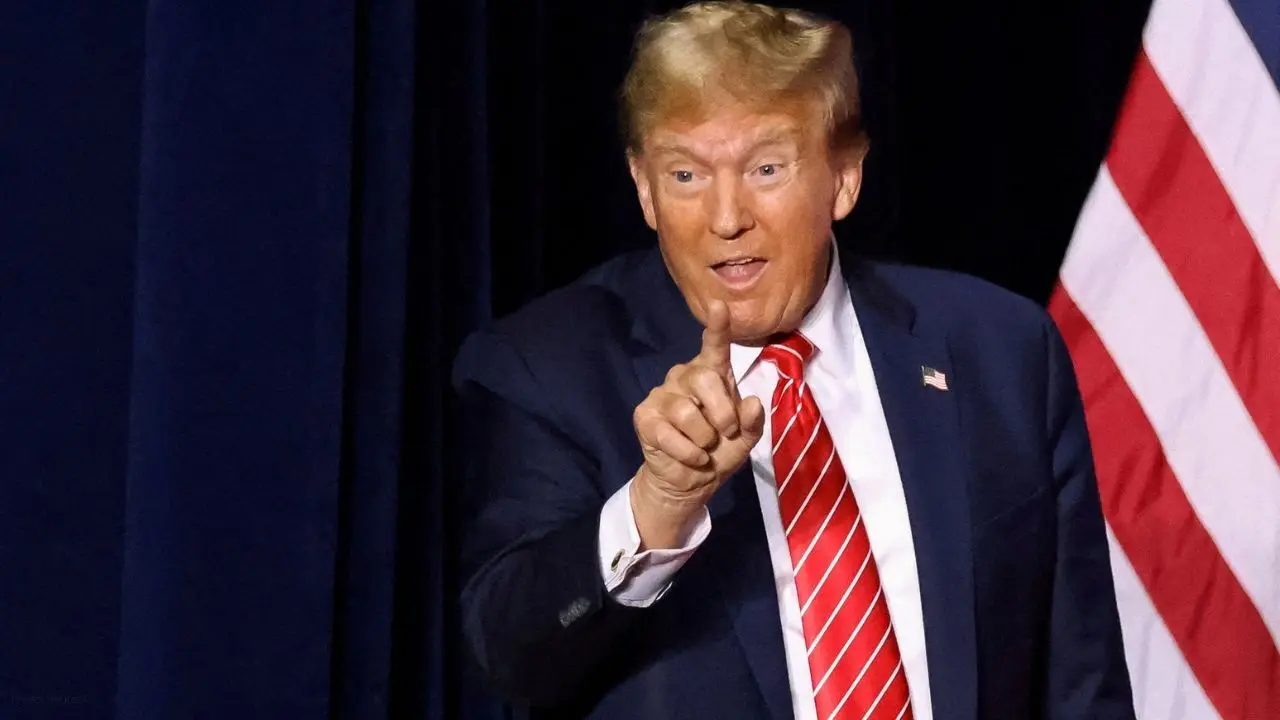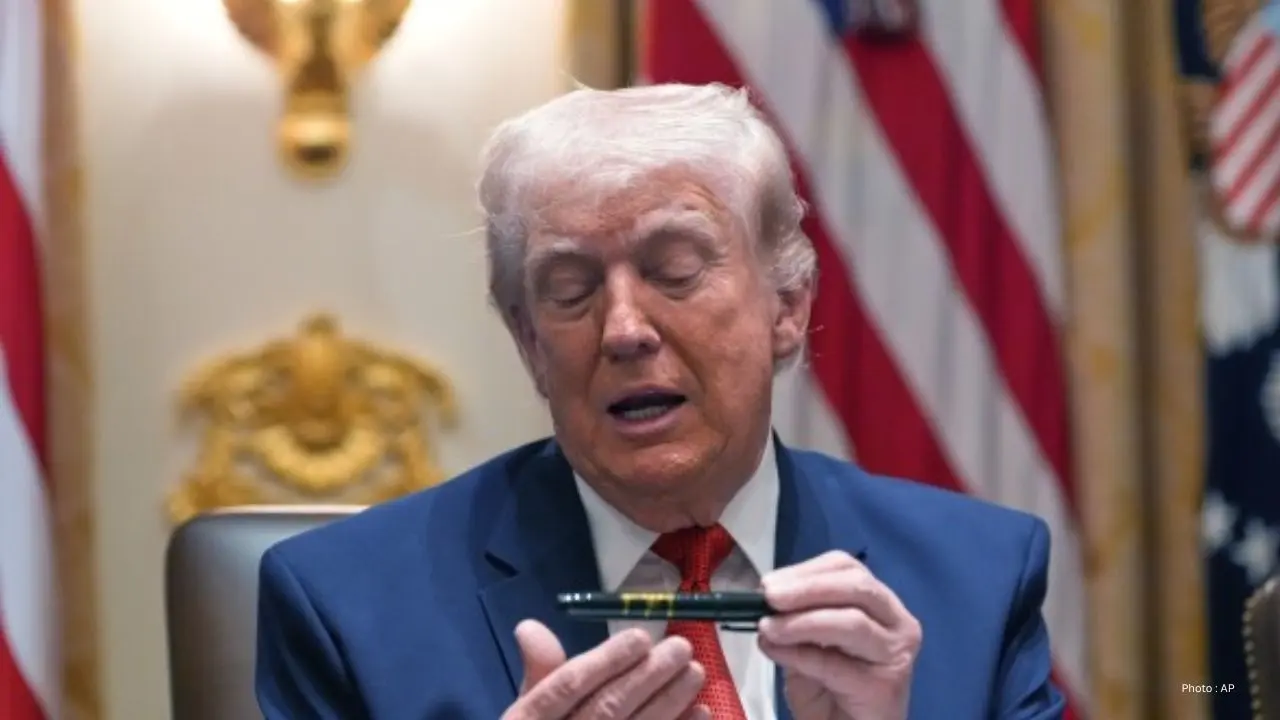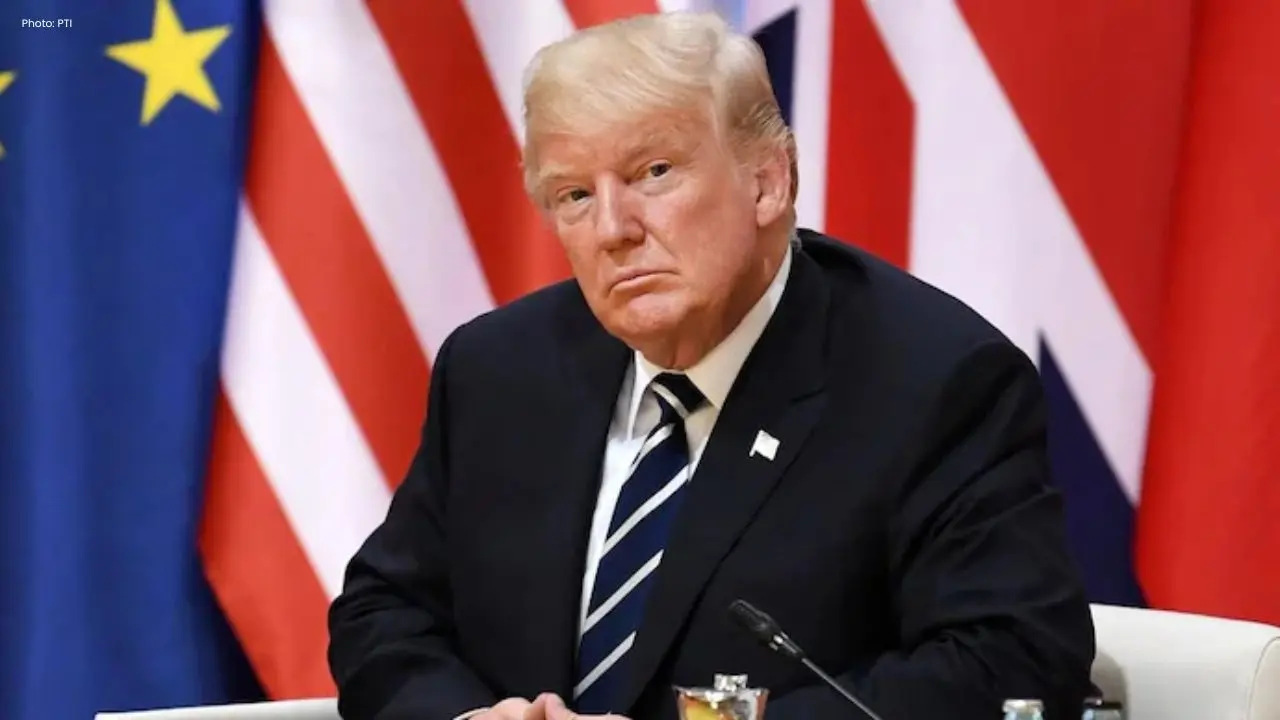
Taiwan is optimistic about the possibility of a groundbreaking phone call between former President Donald Trump and President Lai Ching-te. Although no official arrangements have been made, Taiwanese officials believe such a conversation would be positively viewed.
During a session in parliament, Taiwan's Foreign Minister Lin Chia-lung highlighted that any initiative for communication rests solely with Trump. He emphasized that the government in Taipei is prepared for such an opportunity should it arise.
This potential discourse would be particularly historic, marking the first official communications between a sitting U.S. president and a Taiwanese counterpart since 1979, when the U.S. switched diplomatic recognition from Taipei to Beijing under the "One China" policy.
The mere possibility of this call has garnered significant global attention, as China adamantly opposes formal exchanges between Taiwanese officials and foreign leaders, viewing Taiwan as part of its territory and warning against perceived support for Taiwanese independence.
Recently, Trump reiterated his desire to converse with President Lai, dispelling doubts about the intent of his prior comments. Should the conversation be realized, Lai indicated he would address issues of regional peace and the mounting pressure from China on Taiwan.
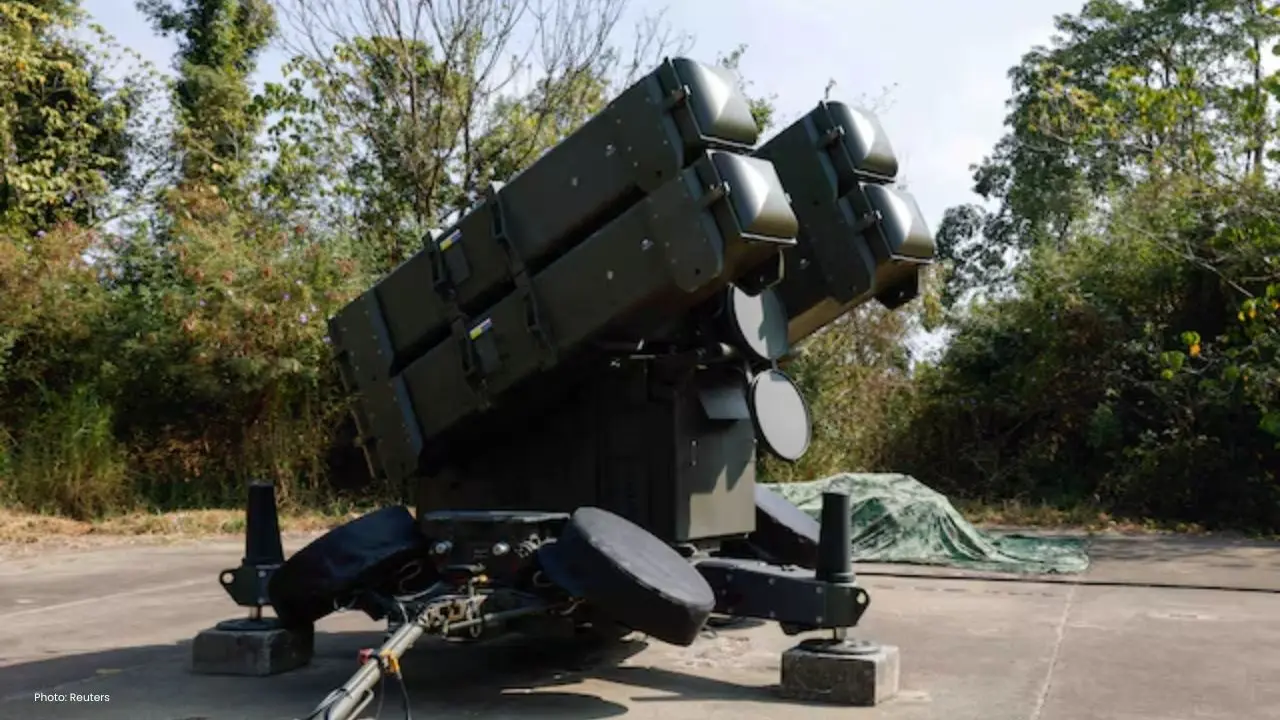
The significance of this situation is amplified by the U.S. contemplating a substantial new arms sale package to Taiwan, estimated at nearly $14 billion, following a previously approved weapons package last year, reinforcing America's commitment to Taiwan's defense.
Taiwanese representatives affirmed that the relationship with Washington remains solid, even as regional tensions rise. Both nations consistently maintain that American policy towards Taiwan is steadfast, despite recent interactions between Trump and Chinese President Xi Jinping.
The developments are being keenly observed across Asia, as any direct communication between Trump and Lai could significantly influence U.S.-China relations and the overall security landscape in the Indo-Pacific region.