Late-night television has always thrived on one simple principle: turn chaos into laughter before the world goes to sleep. In that space where politics, pop culture, and satire collide, few voices have been as sharp and consistent as Stephen Colbert. His show has long been a stage where political tension is transformed into humor, and where public controversy becomes material for storytelling.
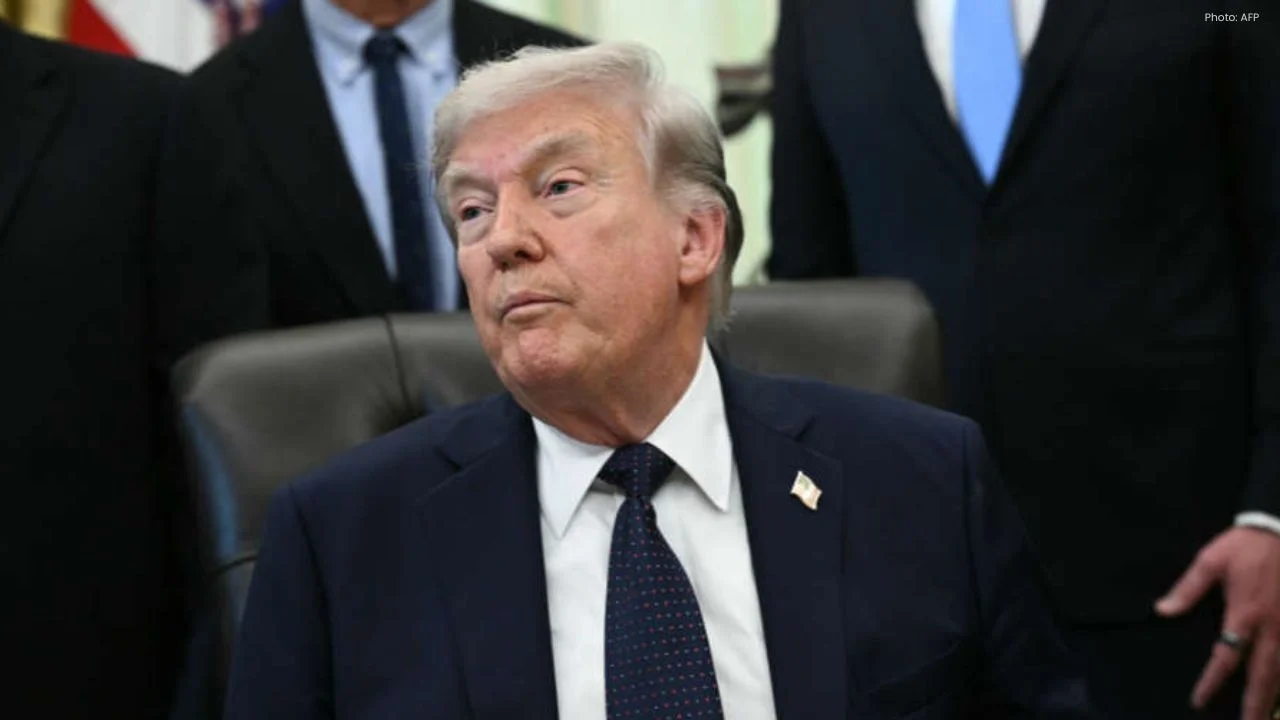
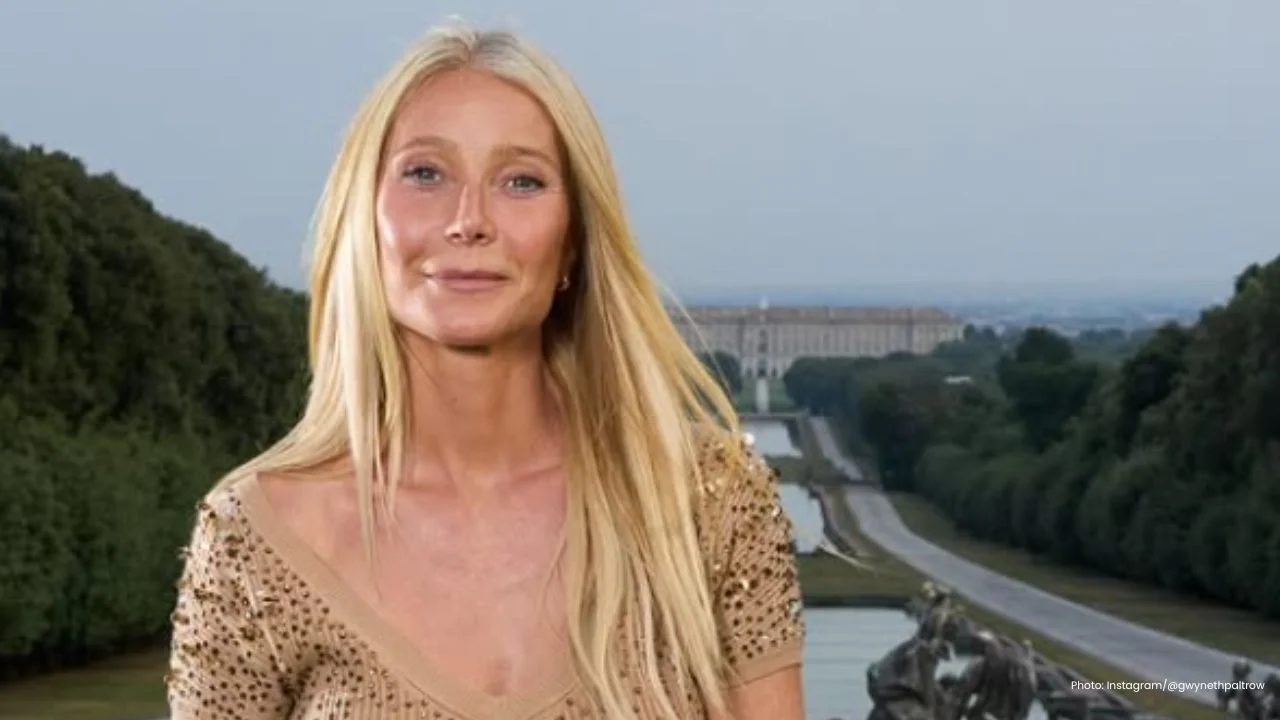
Recently, that tradition took on a new layer of cultural relevance when Colbert used the viral “ColdplayGate” moment as part of a comedic segment involving Donald Trump. What unfolded was more than a joke—it became a reflection of how modern scandals travel, mutate, and become part of political satire within hours.
The moment was simple on the surface. A monologue. A reference. A punchline. But the reaction it triggered revealed something deeper about today’s media ecosystem.
How ColdplayGate Became a Viral Cultural Symbol
“ColdplayGate,” a term that began as internet shorthand for a widely discussed viral concert-related controversy, had already been circulating across social platforms for days. It became a cultural meme, a flexible symbol used to describe awkward public moments, celebrity missteps, and exaggerated online reactions. In the hands of Colbert, however, it transformed into something more pointed.
He connected it directly to political commentary, weaving it into jokes about public image, media perception, and the ongoing tension surrounding Donald Trump. The audience responded instantly. Laughter followed, but so did conversation. Because beneath the humor, there was something unmistakably deliberate about the way the material was structured.
Colbert’s comedy has always operated in two layers. The first is immediate—quick jokes, sharp observations, and clear punchlines designed for live reaction. The second is reflective—subtext that lingers after the laughter fades. In this case, ColdplayGate became a bridge between both layers.
It was not just a reference. It was a mirror.
Stephen Colbert’s Unique Style of Political Satire
The original viral moment behind ColdplayGate had already been dissected endlessly online. Like many modern scandals, it was less about a single event and more about how audiences reacted to it. Clips circulated, interpretations multiplied, and narratives evolved depending on who was watching. Within days, it stopped being just a moment and became a cultural symbol of overreaction, visibility, and public scrutiny.
Colbert’s decision to bring it into political satire amplified that transformation.
By linking it to Donald Trump, the segment tapped into a long-standing dynamic in American late-night television: the use of political figures as recurring characters in cultural commentary. Trump, in particular, has been a frequent subject of comedic analysis across multiple platforms due to his highly visible public persona and polarizing presence.
But what made this moment different was not the target—it was the timing.
In the current media environment, stories evolve at extreme speed. A viral moment can become a meme, then a metaphor, then a political joke, all within a short span of time. By the time Colbert referenced ColdplayGate, it had already shifted from entertainment news into a broader symbol used across online discussions.
That fluidity is what modern satire feeds on.
The Internet Age of Memes, Media, and Instant Commentary
On air, Colbert used the situation to highlight the way public figures are constantly interpreted through fragmented media moments. He layered humor about celebrity culture with political commentary, suggesting that in today’s world, image often moves faster than context. A single clip, a single reaction, or even a single meme can shape perception far beyond its original meaning.
The audience response reflected that complexity.
Some viewers saw it as pure comedy—a clever integration of trending internet culture into political humor. Others interpreted it as commentary on how quickly modern scandals escalate and how public figures become entangled in narratives they do not fully control.
And that is where the deeper meaning of the segment begins to emerge.
Late-night comedy has evolved into more than entertainment. It has become a parallel form of news interpretation. While traditional reporting presents facts, satire reshapes them into emotional and cultural commentary. Colbert’s approach sits firmly within that tradition, using humor not only to entertain but also to frame how audiences process information.
In this case, ColdplayGate acted as the perfect raw material.
It was recognizable, widely discussed, and already emotionally charged in online spaces. By inserting it into political satire involving Donald Trump, Colbert created a layered narrative where entertainment, politics, and internet culture overlapped.
Why Modern Audiences Connect With Satirical Comedy
There is also an underlying psychological element to why such moments resonate.
Audiences today are overwhelmed by constant information flow. News, memes, reactions, and controversies arrive simultaneously, often without clear separation. Satire helps organize that chaos into something digestible. A joke becomes a filter. A punchline becomes a way to process complexity.
Colbert’s segment worked precisely because it acknowledged that reality without explicitly explaining it. Instead of breaking down ColdplayGate analytically, he allowed it to exist as a shared reference point—something the audience already understood emotionally, even if they interpreted it differently.
That shared understanding is what makes modern satire powerful. It relies less on explanation and more on recognition. At the same time, the inclusion of political commentary ensured the segment remained grounded in real-world tension. References to Donald Trump brought immediate context, anchoring the humor in ongoing public discourse rather than treating it as isolated entertainment.
This blend of humor and political reflection is not new, but its speed has changed dramatically. In earlier eras, comedians reacted to news cycles that unfolded over days. Now, they react to events that may still be evolving in real time. That shift creates a new kind of challenge: how to make sense of stories that are still being written.
The Endless Cycle of Viral Moments Becoming Comedy
Colbert’s approach, in this case, was to lean into that uncertainty. Instead of resolving the meaning of ColdplayGate, he used it as an example of how meaning itself is unstable in the digital age. A moment can be serious, funny, controversial, and symbolic all at once depending on who is interpreting it.
The audience laughter during the segment was not just a reaction to jokes—it was also recognition of that instability.
There is also a broader cultural reason why this moment gained traction. Celebrity culture and political culture are no longer separate spheres. They overlap constantly, often feeding into each other. A viral concert moment can become political commentary. A political speech can become meme material. And a late-night joke can become part of both ecosystems simultaneously.
That interconnectedness is what gives segments like Colbert’s their reach. They do not exist in isolation. They enter ongoing conversations already in motion.
As clips of the segment spread online, reactions varied widely. Some praised the cleverness of the integration. Others debated whether the humor reflected deeper cultural fatigue with constant scandals and viral moments. Many simply shared the clip because it was entertaining without needing further explanation.
And that may be the final insight behind the moment.
In a world where attention is fragmented and narratives are constantly shifting, comedy becomes one of the few spaces where complexity can be compressed into something instantly understandable. Not because it simplifies reality, but because it reflects how people already experience it. The ColdplayGate reference may eventually fade from online discussion. Political jokes will evolve. New scandals will replace old ones. But the underlying pattern will remain.
A viral moment appears.
It spreads.
It becomes culture.
And then, almost instantly, it becomes comedy.
And in that cycle, Stephen Colbert continues to do what late-night hosts have always done best: take the noise of the world and turn it into something people can finally understand—if only for a moment—through laughter.