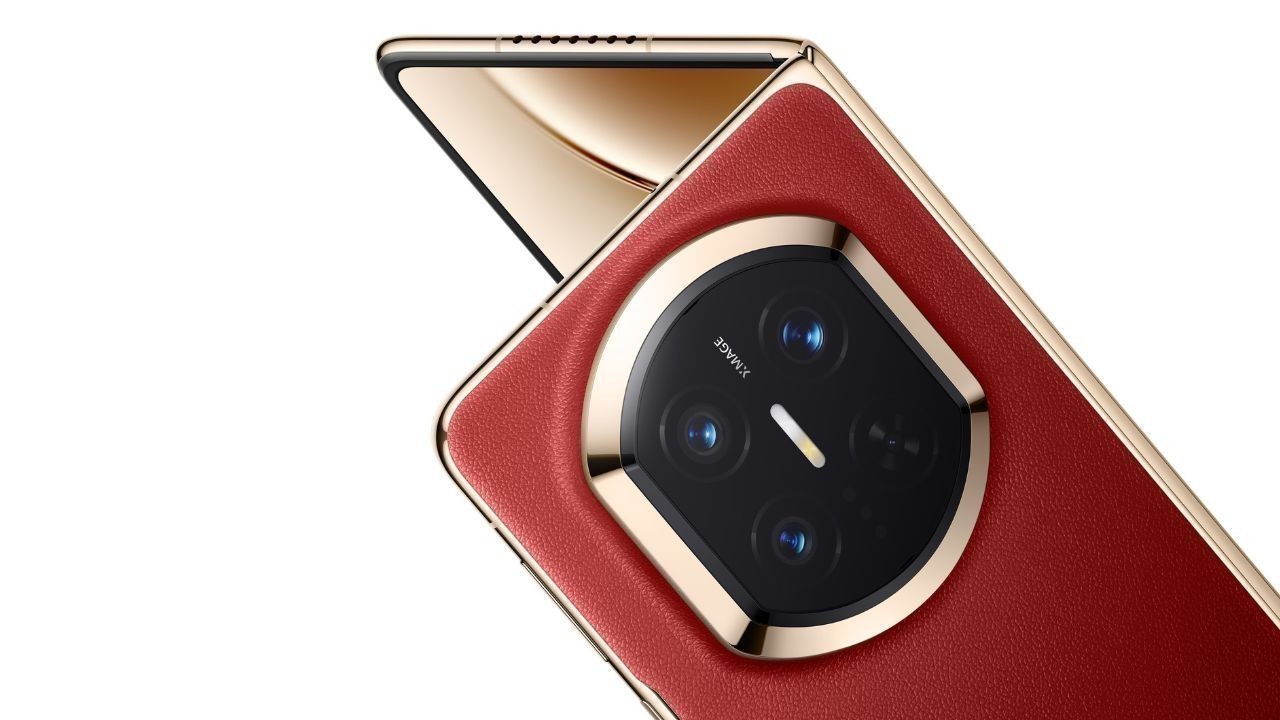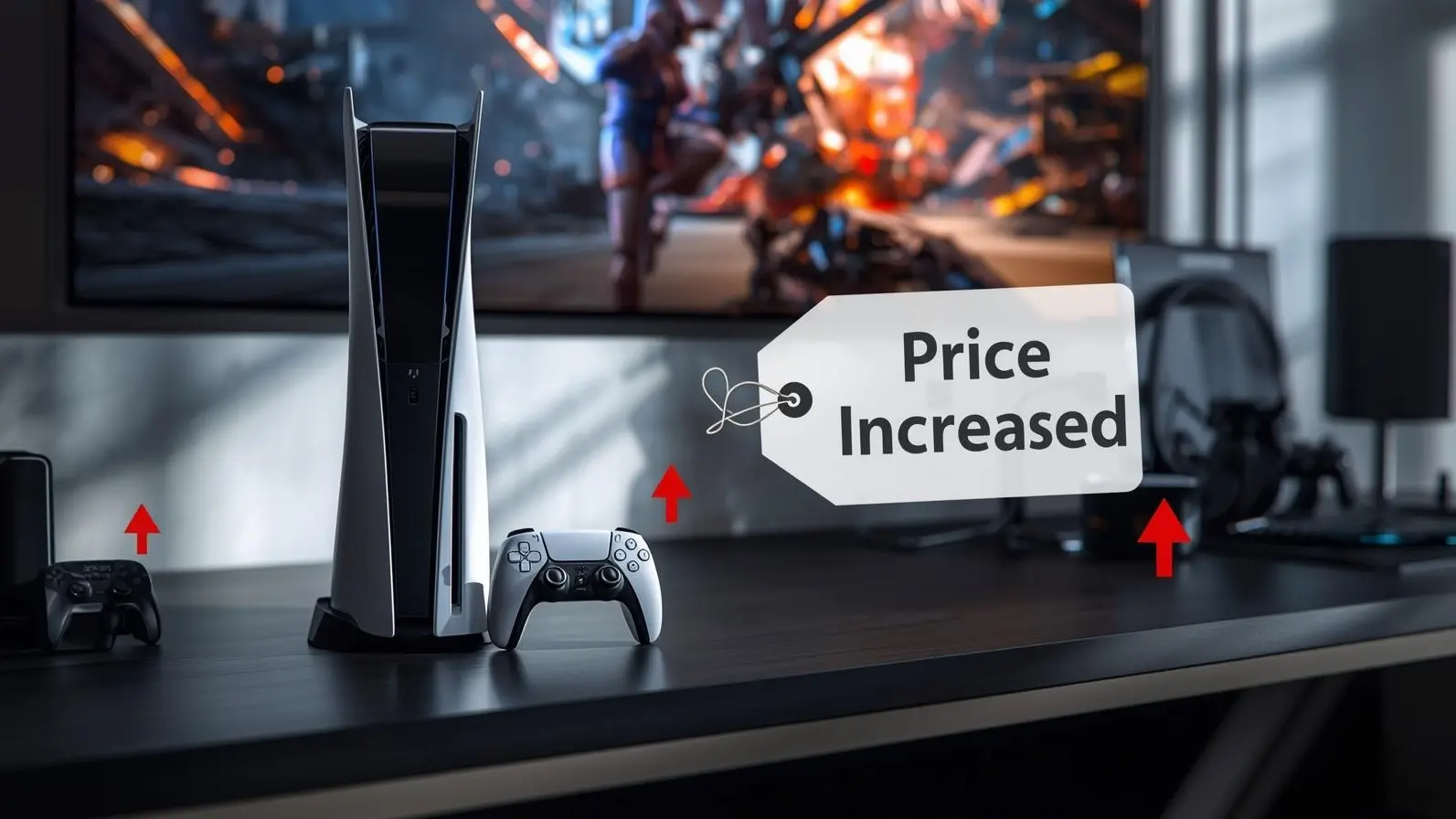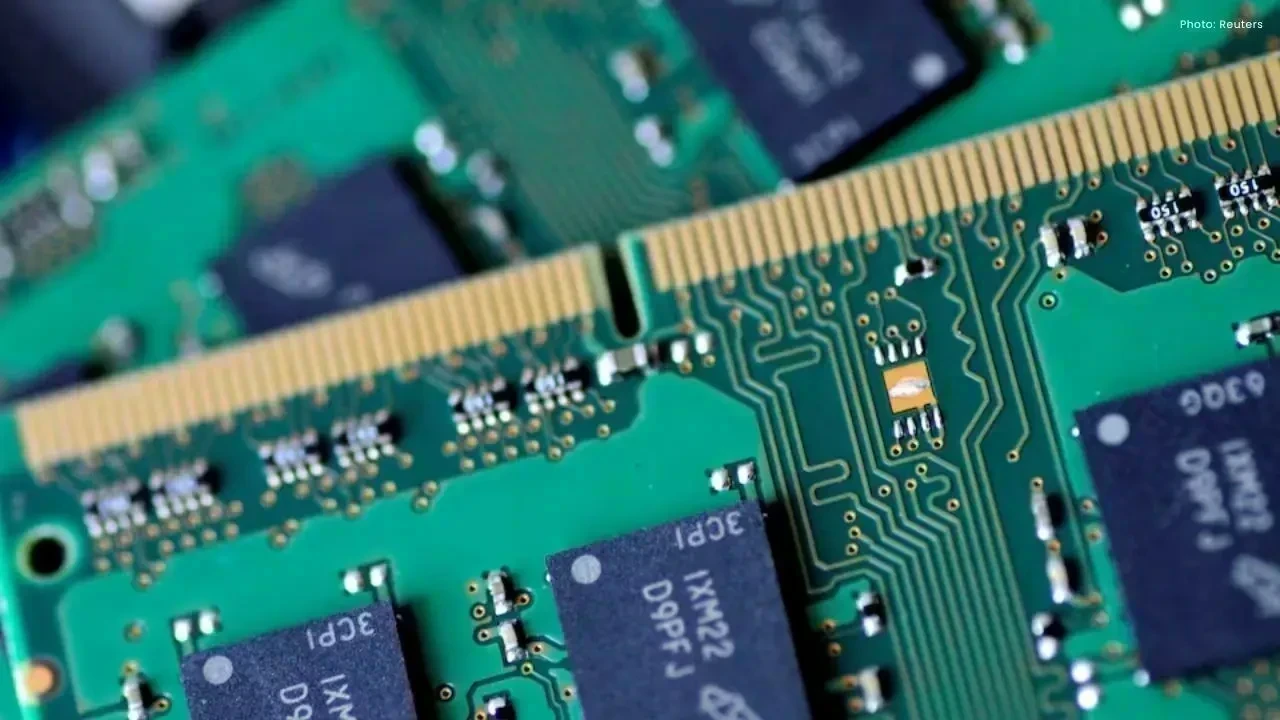
The consumer electronics sector is encountering significant challenges as memory chip costs continue to escalate. This increase is making smartphones, PCs, gaming consoles, and other gadgets pricier, compelling manufacturers to either raise retail prices or settle for diminished profits. Consequently, sales of these devices are anticipated to decelerate in the upcoming year.
The surge in prices is primarily attributed to the burgeoning demand for artificial intelligence technologies. Major tech firms are investing heavily in extensive data centers requiring vast quantities of memory chips. To maximize their profits, memory chip producers are prioritizing supply for AI initiatives instead of consumer-grade electronics, thereby tightening availability and inflating costs.
Top memory chip manufacturers have reported difficulty in meeting this demand. The robust profit margins from inflated prices reveal how competitive the market has become. However, while chip makers benefit, electronics brands, which depend on affordable memory for product competitiveness, are severely affected.
Market analysts now project a decline of at least two percent in global smartphone sales this year, a stark shift from previous growth expectations. The personal computer sector is similarly forecasted to shrink, following a period of recovery last year. Additionally, despite some demand resurgence, gaming consoles are likely to experience softened sales.
Electronics manufacturers face tough decisions ahead. While some opt to increase prices to offset costs, others aim to absorb a portion of these expenses. Experts caution that elevated prices may deter a broad swath of consumers, particularly as families grapple with inflation and heightened living costs.
The impact is expected to be most profound for manufacturers of low- to mid-range devices. Companies in this segment, which have thinner profit margins, may struggle to increase prices without alienating customers. Those producing budget smartphones, economical laptops, and entry-level gadgets are likely to feel squeezed first.
Numerous companies have begun alerting their customers about imminent price hikes. Industry leaders candidly acknowledge that the rise in memory chip costs has become a critical concern. Retailers dependent on consistent sales may also be negatively affected, as consumers may hesitate to upgrade or forgo purchases altogether.
Some analysts suggest that larger premium brands might navigate this adversity with greater ease. Firms with solid supply chains, long-term arrangements, and loyal customers can adapt to rising costs more effectively, potentially preserving their flagship product pricing in key markets.
Looking forward, industry experts express concerns that elevated memory chip prices may persist longer than anticipated. Should AI demand continue its current upward trajectory, consumers might need to acclimate to pricier electronics. For the time being, the ongoing memory chip scarcity is reshaping market dynamics, illustrating how interconnected everyday devices are with global tech developments.