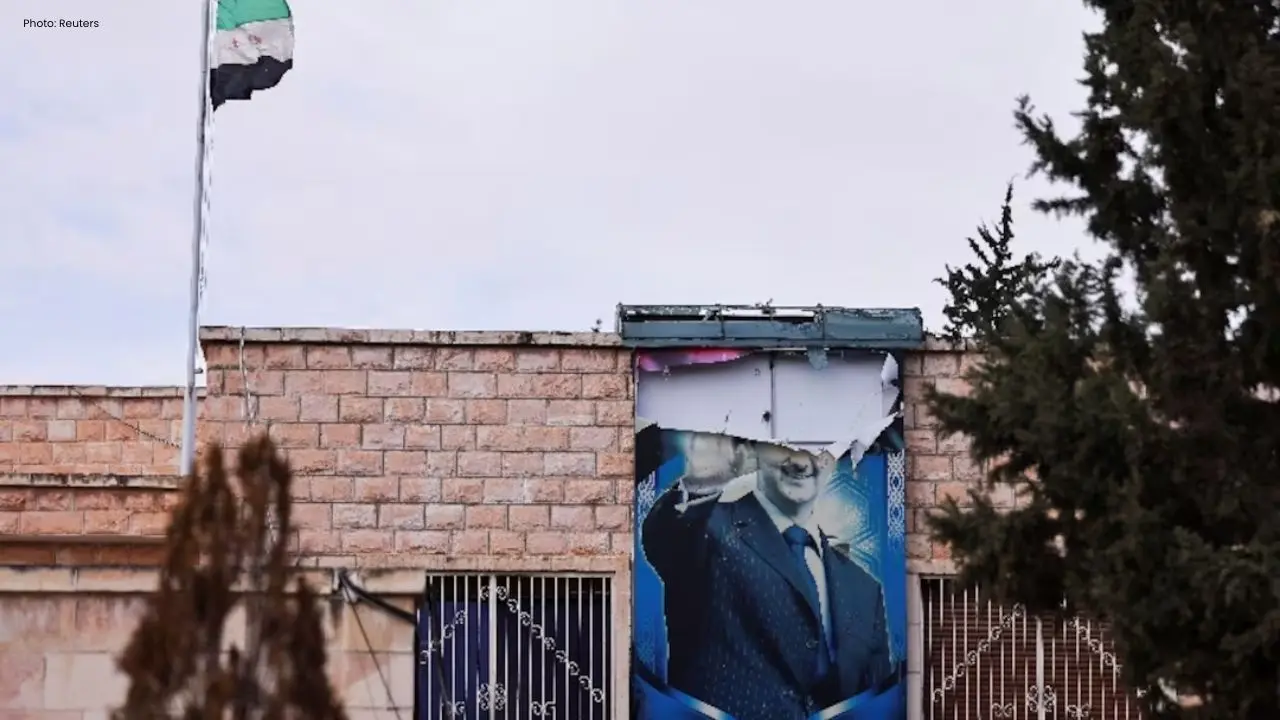
The European Union has announced an extension of sanctions on individuals and entities associated with the former Syrian regime of Bashar al-Assad, effective until June 1, 2027. This decision follows the EU's annual evaluation of its sanctions regime concerning Syria.
Simultaneously, the European Council has unveiled the removal of seven Syrian entities, notably the defence and interior ministries, from its sanctions list. This adjustment reflects the EU's efforts to foster engagement with Syria amidst evolving political circumstances.
The EU confirms that the sanctions will maintain their focus on individuals with close ties to the former Assad administration, enforcing asset freezes and travel restrictions. Additionally, European businesses and citizens are barred from providing financial aid to these sanctioned individuals.
European officials emphasized that this removal of certain entities aims to enhance cooperation with Syria following the anticipated collapse of Assad’s government in late 2024. The current administration under President Ahmed al-Sharaa is actively seeking international assistance for national reconstruction.
Syria's foreign ministry expressed approval for the lifting of sanctions on the seven entities, indicating that it would bolster recovery and reconstruction initiatives, reinforce government institutions, and promote stability throughout the nation.
Nonetheless, Syrian authorities have backed the continued sanctions against those implicated in human rights violations during the civil conflict, highlighting the complexities of the situation.
Although most economic sanctions were eased back in May 2025, restrictions remain on former regime members and security entities. EU officials are cautious, believing that remnants of the former government may still possess considerable power that could jeopardize Syria's political reform and reconciliation efforts.