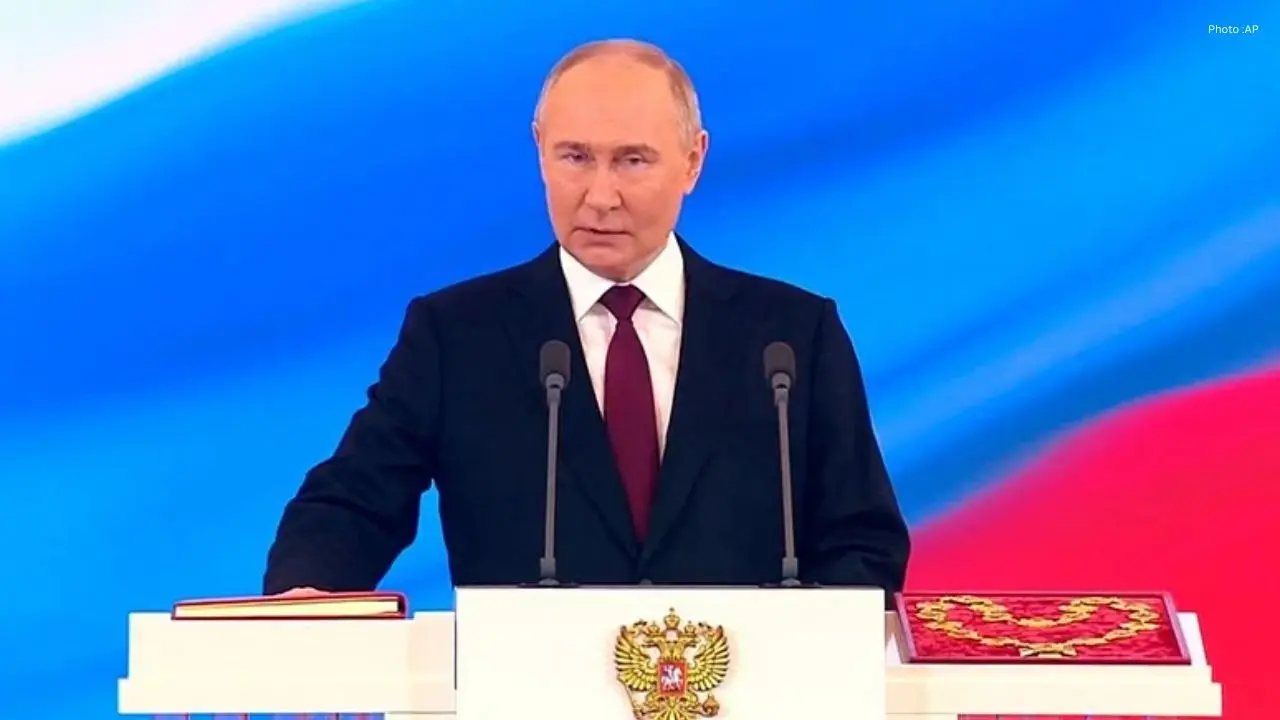
In a recent address in Moscow, Russian President Vladimir Putin suggested that the Ukraine war could be "coming to an end" as a new ceasefire agreement officially came into force between Russian and Ukrainian forces. The hope is that this pause in hostilities may facilitate future peace talks and reduce violence in the area.
The ceasefire commenced following multiple rounds of international diplomatic negotiations involving various nations. Officials indicated that military actions would be temporarily halted in key frontline regions that have witnessed intense engagements in recent months. Early reports from both sides indicate that the initial hours of the ceasefire have been relatively calm, although military personnel are continuing to monitor developments closely.
Putin expressed that Russia is willing to support initiatives to end the conflict, provided its national security concerns are addressed through diplomatic means. He acknowledged that the war has inflicted significant damage on infrastructure, economies, and civilian lives across both nations, noting that many families have endured substantial losses during this prolonged conflict. He emphasized the necessity of stability for the future of the region.
The war erupted in February 2022 when Russia initiated a large-scale military invasion of Ukraine. Since then, thousands have lost their lives or been displaced, while continuous fighting has led to widespread destruction in numerous localities. Additionally, the conflict has exerted global economic pressure, impacting energy markets, food supplies, and international trade.
In response to Putin’s statements, Ukrainian officials have been cautious, asserting that any lasting peace must respect Ukraine’s sovereignty and territorial integrity. The Ukrainian government has repeatedly emphasized that a mere ceasefire will not resolve the conflict entirely unless comprehensive political and security issues are addressed. Authorities have committed to closely monitoring Russian military activities during this ceasefire period.
International leaders have welcomed the reduction of violence and urged both parties to pursue diplomatic negotiations. Numerous countries and global organizations have advocated for a peaceful resolution since the war's inception, warning that ongoing fighting risks exacerbating humanitarian and economic challenges worldwide.
Military experts note that previous ceasefire efforts have encountered challenges due to mutual allegations of violations from both sides. Nevertheless, some analysts express optimism that the current agreement may pave the way for more direct discussions if stability is maintained in the upcoming days.
This latest ceasefire arrives amid mounting international pressure to de-escalate tensions and pave a pathway towards peace. While future developments in the conflict remain uncertain, Putin’s remarks have sparked increased interest in potential diplomatic interventions that could influence the war's next chapter.