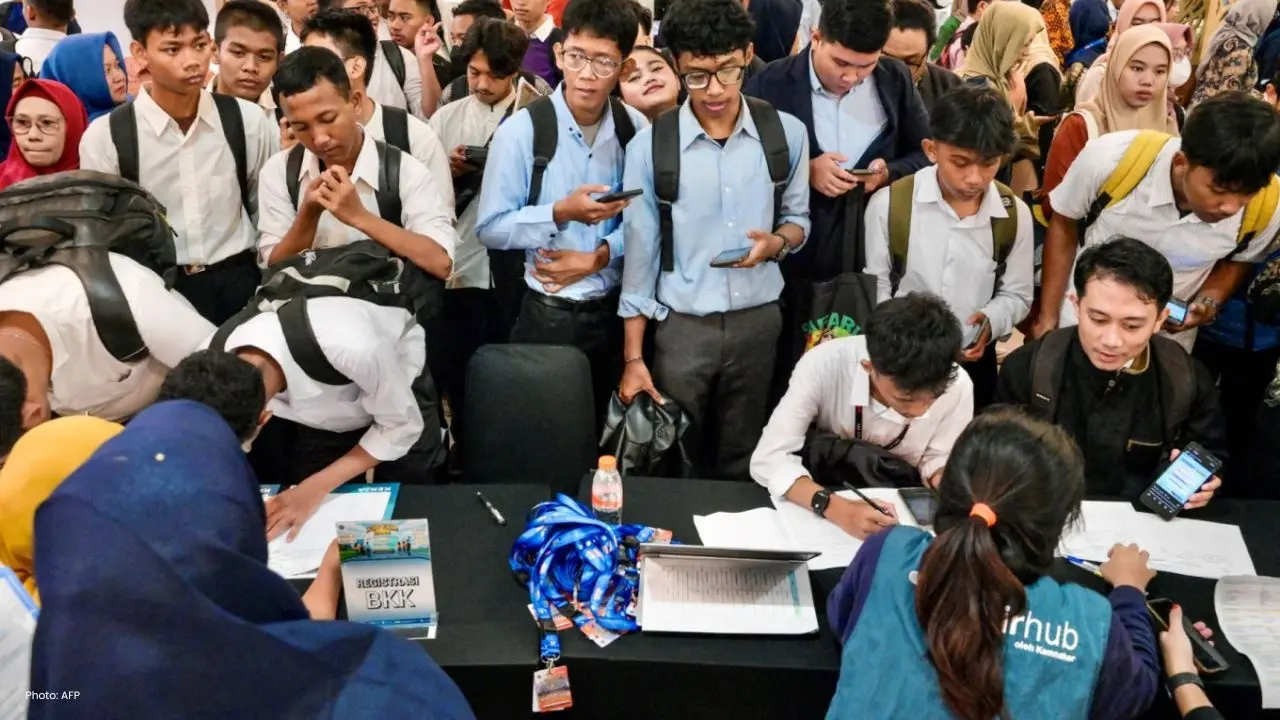
Following the Eid holiday, Jakarta experiences an influx of thousands of new residents, predominantly motivated by job opportunities.
Data from the Population and Civil Registry Office (Dukcapil) reveals that around 35 percent of these newcomers arrive in pursuit of work. This trend underscores Jakarta's reputation as Indonesia's economic center, offering far more job prospects than other areas.
Denny Wahyu Haryanto, who heads Dukcapil, noted that a majority of the new arrivals are between the ages of 15 and 64, making up over three-quarters of the total. This demographic data reinforces the perspective that economic aspirations significantly drive migration.
Following employment, family reasons were the second most common cause for migration, with job relocations, housing requirements, and education also playing roles. Nonetheless, the search for work remains the key motivation, particularly for those pursuing informal sector roles.
The statistics indicate that many migrants have low educational attainment, with nearly 79 percent possessing only a high school diploma or less. Many are believed to belong to lower-income brackets, often engaging in informal occupations such as daily wage labor, small-scale trading, and service jobs.
Jakarta’s sophisticated infrastructure, along with its access to vital public services—covering transportation, healthcare, and educational facilities—continues to be a major attraction for individuals originating from rural and semi-urban locales.
Nevertheless, such rapid increases in population also pose challenges. About one-fifth of new residents are reported to settle in overcrowded or substandard areas, including slums and outskirts. This raises pressing concerns regarding urban planning, the demand for housing, and the management of local resources.
Officials indicate that migration statistics will inform the development of targeted policies, particularly focused on bolstering micro, small, and medium enterprises (MSMEs) and transitioning informal sector jobs into formal opportunities through vocational training.
As the capital of Indonesia continues to attract job seekers, authorities are faced with the critical challenge of ensuring that growth is harmonized with sustainable urban development.