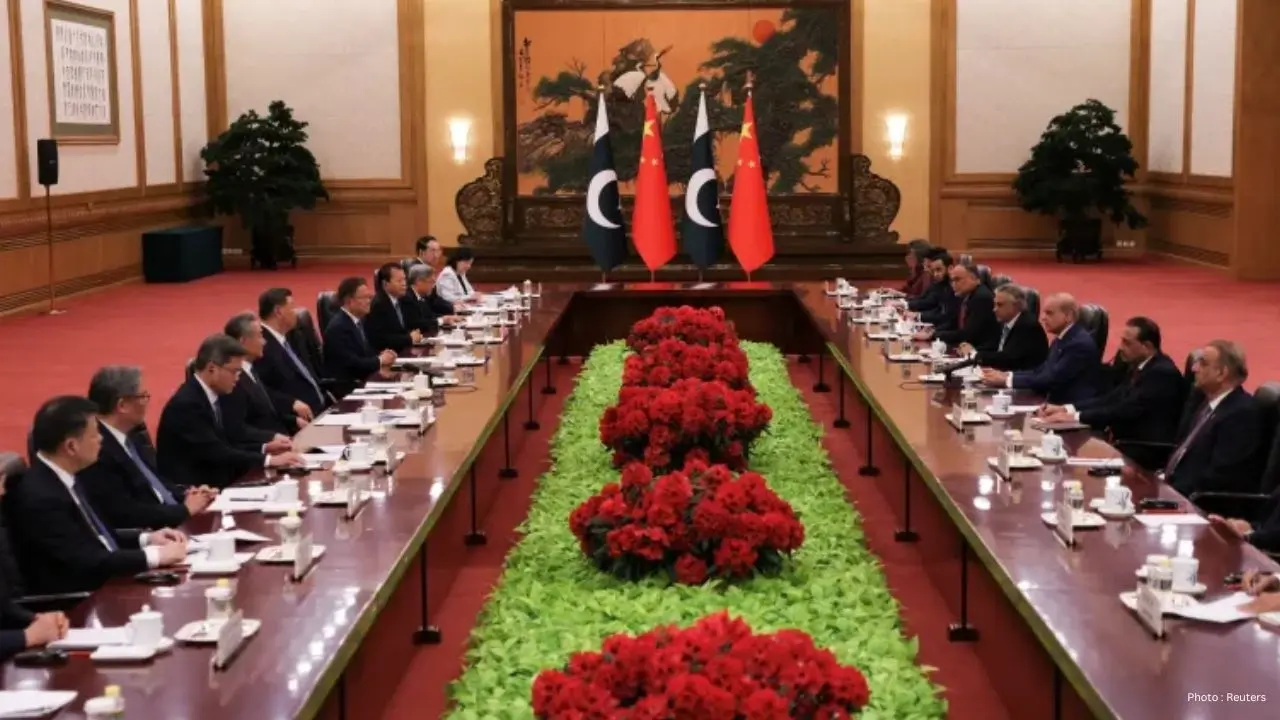
High-level peace talks between the United States and Iran have officially begun in Islamabad, Pakistan, as both nations attempt to de-escalate tensions following weeks of conflict in the Middle East. The negotiations come amid a fragile ceasefire and growing international pressure to avoid further escalation.
Delegations Arrive for High-Stakes Negotiations
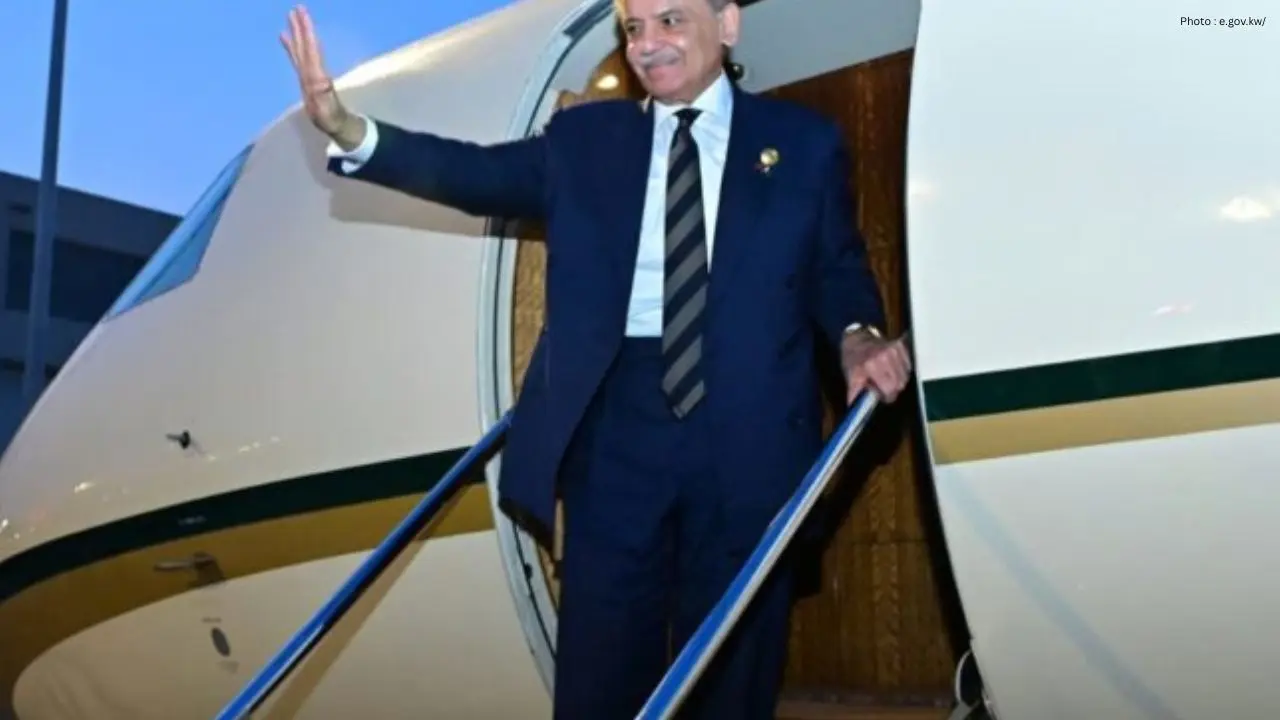
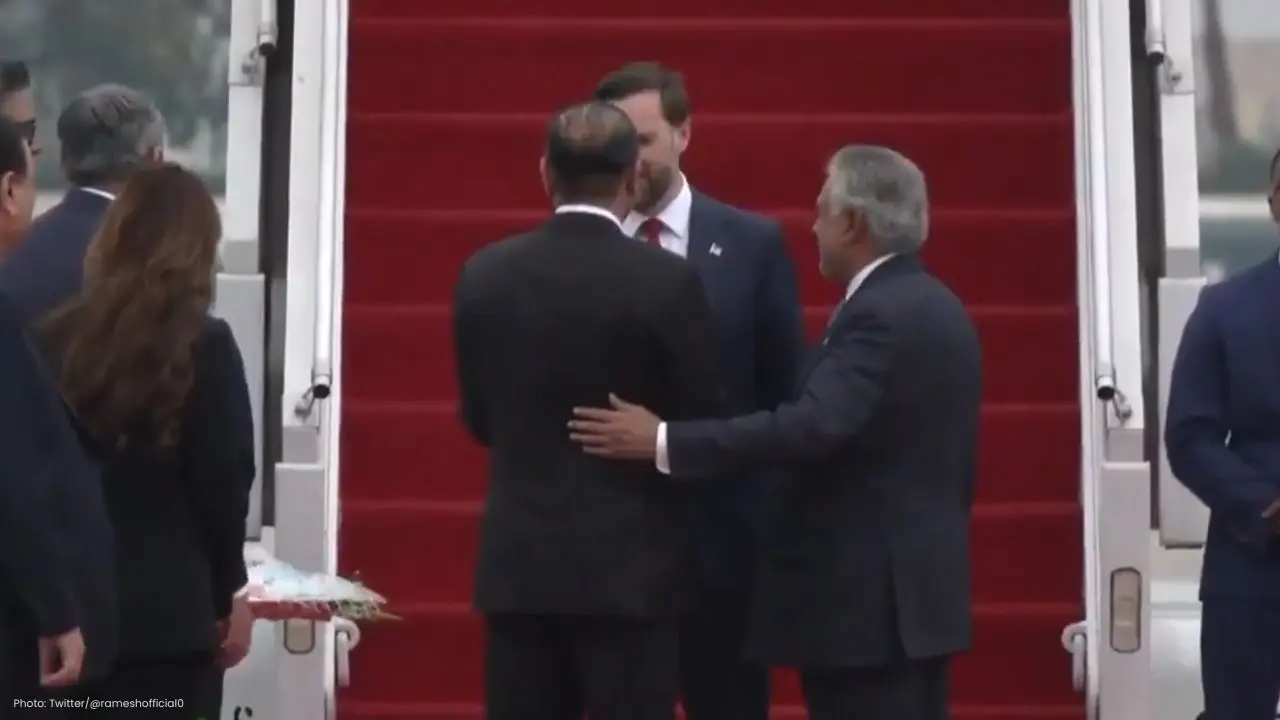
The US delegation, led by Vice President JD Vance, arrived in Islamabad along with key officials, including special envoy Steve Witkoff and advisor Jared Kushner. On the other side, Iran’s delegation is headed by Parliament Speaker Mohammad Bagher Ghalibaf and Foreign Minister Abbas Araghchi.
Pakistan is acting as a mediator, hosting the talks under tight security arrangements, with thousands of personnel deployed and key areas of Islamabad sealed.
Iran Sets Strict Preconditions for Talks
Iran has made it clear that meaningful negotiations depend on certain conditions being met. These include:
-
A ceasefire in Lebanon, where ongoing Israeli strikes have caused significant casualties
-
Release of Iran’s frozen assets held in foreign banks
-
Easing of economic sanctions imposed by the US
Reports suggest the US may consider releasing some frozen Iranian funds, although no official confirmation has been provided.
Iran has also expressed deep mistrust toward the United States, stating past negotiations have failed due to broken commitments.
Key Issues on the Negotiation Table
The talks are expected to focus on several critical issues:
-
Iran’s nuclear program and uranium enrichment
-
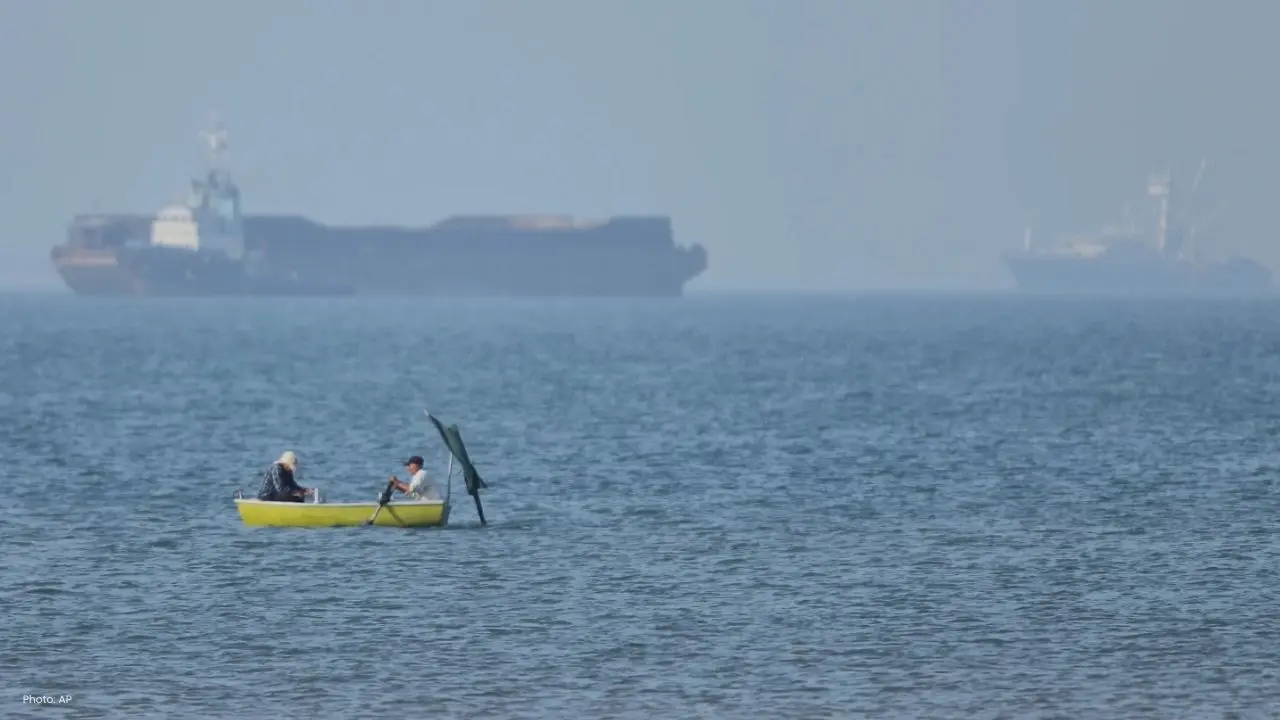
Control and access to the Strait of Hormuz, a key global oil route
-
Iran’s missile capabilities
-
US military presence in the region
-
Broader regional conflicts, especially involving Lebanon and Israel
These issues remain highly sensitive, with both sides holding firm positions.
Strait of Hormuz Remains a Major Flashpoint
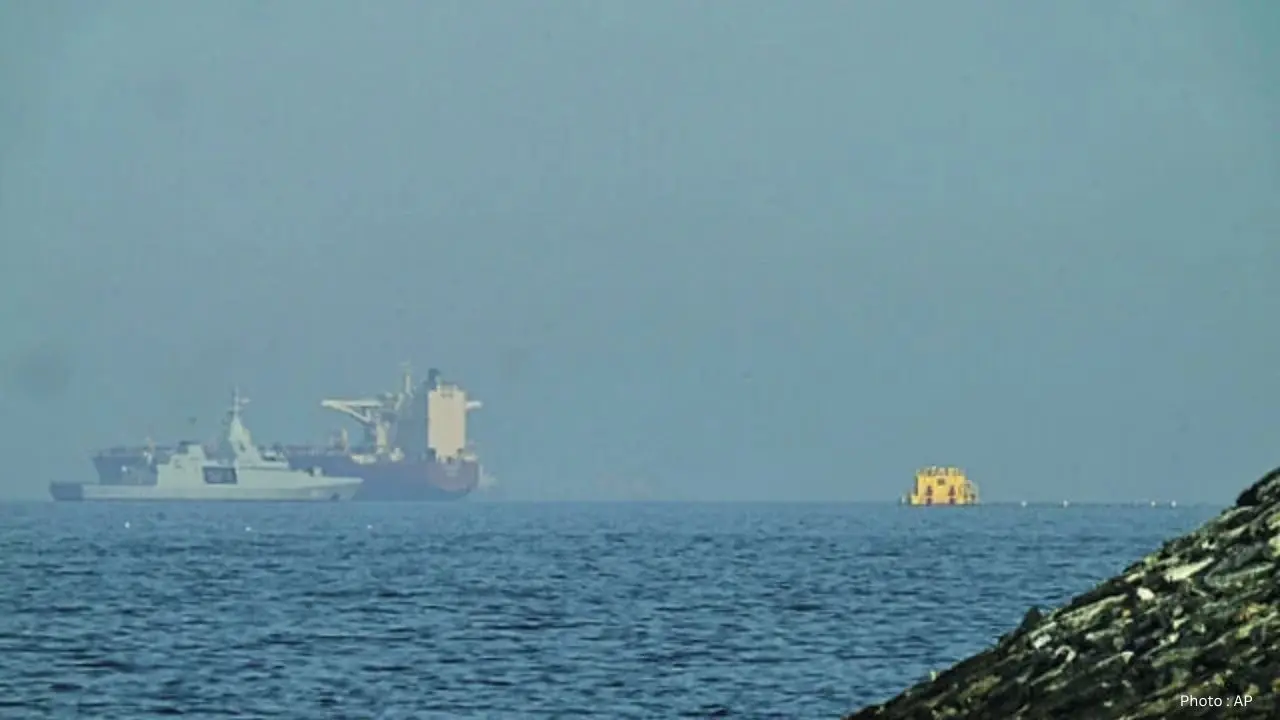
The Strait of Hormuz continues to be a central point of tension, as Iran seeks to control access and potentially impose transit fees, while the US insists on keeping the route open for global oil shipments.
The situation has already impacted global energy markets, raising concerns about supply disruptions and rising prices.
US leadership has warned that the waterway will remain open “with or without Iran,” signaling a strong stance on freedom of navigation.
Conflict Continues in Lebanon
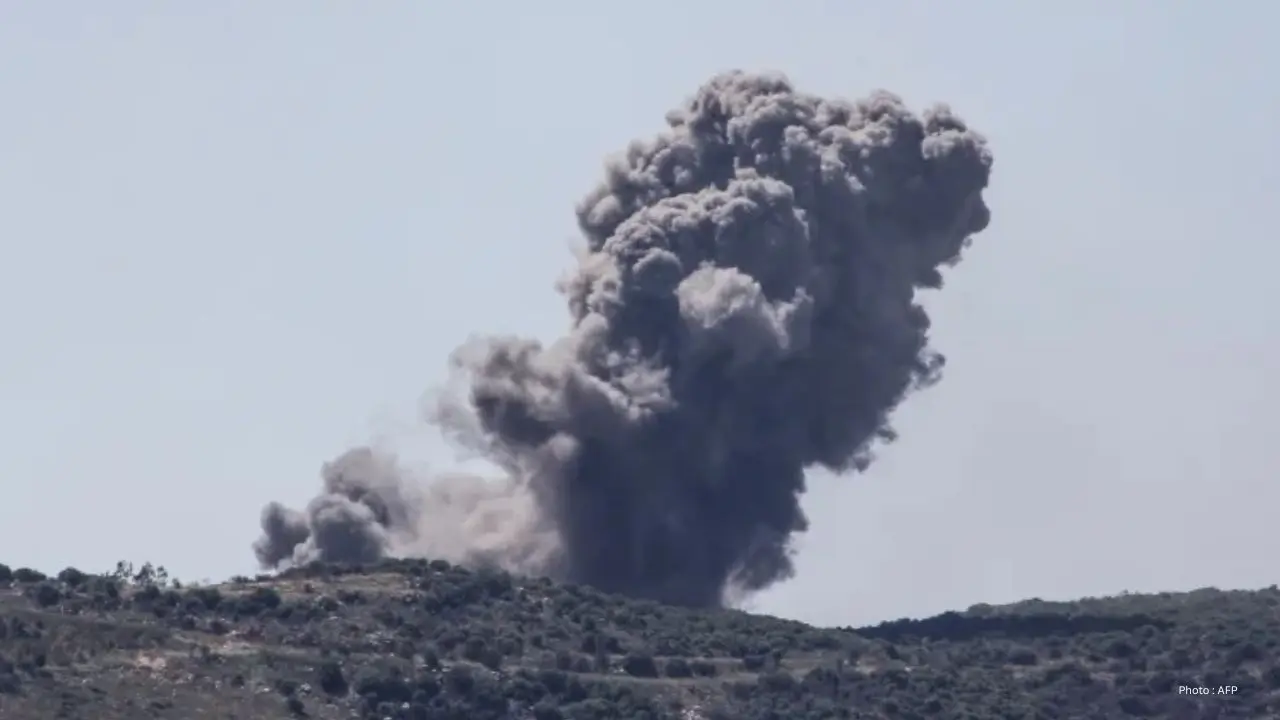
Despite ceasefire efforts, violence continues in Lebanon, where Israeli strikes and Hezbollah responses have intensified the situation. Hundreds have been killed, and the region remains unstable.
Iran has linked progress in negotiations directly to a halt in these attacks, further complicating diplomatic efforts.
Uncertainty Surrounds Outcome of Talks
While the talks mark a significant diplomatic step, uncertainty remains high. Deep mistrust, conflicting demands, and ongoing regional conflicts pose serious challenges to reaching a lasting agreement.
The United Nations has welcomed the dialogue and urged both sides to engage constructively to prevent further escalation and ensure long-term stability.
The US-Iran talks in Pakistan represent a critical moment in global diplomacy. With multiple high-stakes issues on the table, the outcome of these negotiations could shape the future of the Middle East and impact global economic stability.